


The Automotive 4WD (Four-Wheel Drive) and AWD (All-Wheel Drive) market are undergoing transformative changes, driven by technological innovations and consumer demands for enhanced performance, efficiency, and safety.

Buy The Full Report for Insights on The Sectors in the Automotive 4WD and AWD Market Or Download a Free Sample Report
Here are key trends and innovations shaping the future of the Automotive 4WD and AWD market:
1. Electric and Hybrid Integration:
- Trend: Growing integration of 4WD and AWD systems with electric and hybrid vehicles.
- Innovation: Incorporation of electric motors on each wheel for precise torque distribution, contributing to improved traction, efficiency, and dynamic performance.
2. Intelligent Torque Vectoring:
- Trend: Increasing use of intelligent torque vectoring systems for precise control of power distribution to individual wheels.
- Innovation: Advanced control algorithms and sensors enable dynamic adjustments, enhancing vehicle stability, cornering, and overall handling in various driving conditions.
3. Predictive and Adaptive Systems:
- Trend: Integration of predictive and adaptive systems that utilize sensors and AI for real-time adjustments based on road conditions and driving behaviors.
- Innovation: Smart systems anticipate terrain changes, optimizing torque delivery to enhance traction, stability, and fuel efficiency.
4. Electrified Off-Road Capabilities:
- Trend: Enhanced off-road capabilities in electrified 4WD and AWD systems.
- Innovation: Electric drivetrains with instant torque delivery contribute to superior off-road performance, and terrain management systems adapt to challenging conditions.
5. Lightweight Materials and Efficiency:
- Trend: Continued emphasis on lightweight materials to enhance fuel efficiency.
- Innovation: Advancements in materials such as carbon fiber and high-strength alloys contribute to weight reduction without compromising strength and durability.
6. Cyber-Physical Integration:
- Trend: Increased integration with cyber-physical systems for intelligent vehicle control.
- Innovation: Connectivity with cloud-based platforms allows for over-the-air updates, real-time monitoring, and adaptive adjustments, improving overall system performance.
7. On-Demand and Disconnectable Systems:
- Trend: Wider adoption of on-demand and disconnectable AWD systems.
- Innovation: Systems that automatically engage or disengage AWD based on real-time conditions, optimizing fuel efficiency while providing traction when needed.
8. Advanced Traction Control:
- Trend: Advancements in traction control systems for optimal grip in various driving conditions.
- Innovation: Integration of electronic limited-slip differentials, advanced stability control algorithms, and sensors for improved traction on slippery surfaces.
9. Regenerative Braking Systems:
- Trend: Integration of regenerative braking systems in electrified 4WD and AWD setups.
- Innovation: Capturing and utilizing energy during braking to recharge the electric drivetrain, contributing to overall energy efficiency.
10. Autonomous Driving Integration:
- Trend: Collaboration with autonomous driving technologies for enhanced safety and comfort.
- Innovation: Adaptive 4WD and AWD systems that work in tandem with autonomous features, providing stability and traction control during complex driving scenarios.
11. Enhanced Driver Modes:
- Trend: Introduction of advanced driver modes for personalized driving experiences.
- Innovation: Customizable settings that allow drivers to tailor the vehicle's performance characteristics, adjusting torque distribution and suspension settings based on preferences and driving conditions.
12. Sustainability and Eco-Friendly Design:
- Trend: Growing focus on sustainability in 4WD and AWD systems.
- Innovation: Integration of eco-friendly lubricants, efficient power management systems, and materials with minimal environmental impact.
The future of the Automotive 4WD and AWD market is characterized by a convergence of electrification, intelligent control systems, and sustainability. Innovations centered around enhancing performance, efficiency, and adaptability to diverse driving conditions will continue to drive the evolution of these drivetrain technologies.
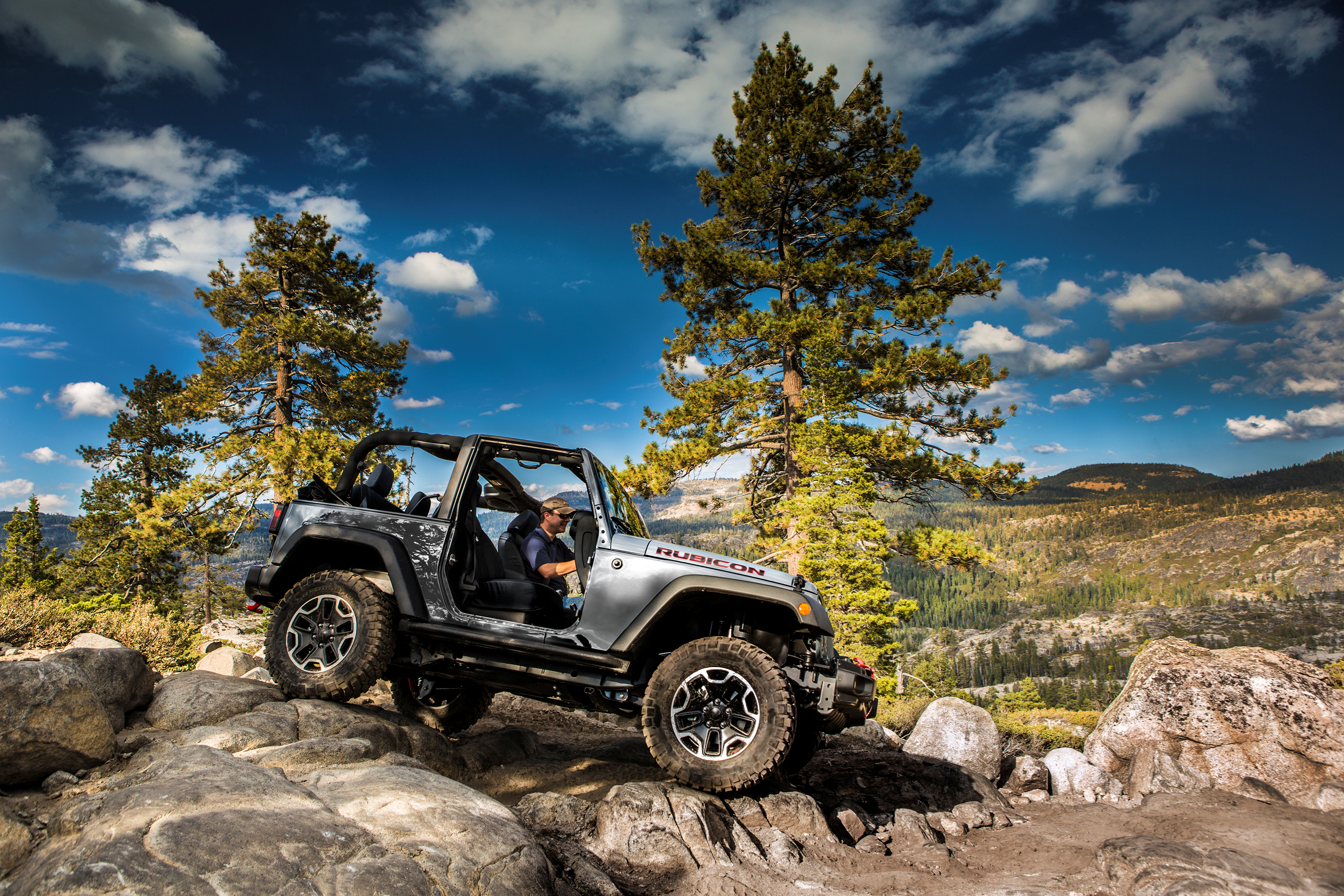
There's no difference between 4WD vs AWD, right?
With the rise of the crossover over the last two decades, the line between a softroader and a genuine off-roader has become blurred, and with it, so has the line between cars with all-wheel drive and vehicles with 4-wheel drive.Read more - 4WD Vs. AWD - Knowing the Difference

The new report on the All-terrain Vehicle market provides estimations of the size of the global market and share and size of key regional markets during the historical period of 2014 – 2018.
Fact.MR reveals in its newest report that the global all-terrain vehicle market will witness a fourfold growth to reach a valuation of US$ 3.9 Bn by the end of 2027.
The business intelligence study offers readers a granular assessment of key growth dynamics, promising avenues, and the competitive landscape of the All-terrain Vehicle market.
2014 is considered as the base year and 2029 as the estimation year.Request to View Sample of Report @ https://www.factmr.com/connectus/sample?flag=S_id=4439After reading the All-terrain Vehicle market report, readers get insight into:Major drivers and restraining factors, opportunities and challenges, and the competitive landscapeNew, promising avenues in key regionsNew revenue streams for all players in emerging marketsFocus and changing role of various regulatory agencies in bolstering new opportunities in various regionsDemand and uptake patterns in key industries of the All-terrain Vehicle marketNew research and development projects in new technologies in key regional marketsChanging revenue share and size of key product segments during the forecast periodTechnologies and business models with disruptive potentialThe All-terrain Vehicle market report offers assessment of prevailing opportunities in various regions and evaluates their shares of revenue by the end of different years of the assessment period.
Key regions covered comprise:North AmericaLatin AmericaEuropeEast AsiaSouth Asia & OceaniaMiddle East & AfricaThe evaluation of the competitive landscape in the All-terrain Vehicle market covers the profile of the following top players: Suzuki Motor CorporationKTM AGNebula Automotive Pvt.
Ltd.Arctic CatTo expand the understanding of opportunities in the global All-terrain Vehicle market report looks at close quarters into the opportunities and new avenues in following key segments: SportsEntertainmentAgricultureMilitary & DefenseIn addition to understanding the demand patterns of various end users, the report on the All-terrain Vehicle market also enumerates trends expected to attract investments by other various associated industries.On the basis of Fuel types, the All-terrain Vehicle market report offers insight into major adoption trends for the following segments:GasolineBelow 400 cc400 - 800 ccMore than 800 ccElectricThe global All-terrain Vehicle market report offers detailed assessments and quantitative evaluations that shed light on numerous key aspects that have shaped its evolution over the historical period.