
Introduction
Welcome to the world of professional content moderation! In this guide, we will explore the various aspects of content moderation, its importance, and best practices to ensure a safe and engaging online environment. Whether you are a platform owner, a community manager, or a content moderator, this guide will provide valuable insights to help you navigate through the challenges of content moderation in a professional manner.
What is Content Moderation?
Content moderation refers to the process of monitoring, reviewing, and filtering user-generated content (UGC) on online platforms to ensure it complies with the platform's guidelines, policies, and legal requirements. It involves the screening and assessment of various forms of content, including text, images, videos, and comments, to prevent the dissemination of harmful, offensive, or inappropriate material.
The Importance of Content Moderation
Content moderation plays a crucial role in fostering a safe and inclusive online environment. Here are some of the key reasons why it is essential:
- Maintaining Community Standards: Content moderation ensures that users adhere to the platform's guidelines and policies, promoting respectful and productive conversations.
- Safeguarding User Experience: By removing harmful or offensive content, content moderation enhances the overall user experience, encouraging users to engage and interact with the platform without fear of harassment or abuse.
- Protecting Vulnerable Users: Content moderation safeguards the interests of vulnerable users, such as children, by preventing them from accessing inappropriate or harmful content.
- Complying with Legal Obligations: Platforms must comply with local laws and regulations, and content moderation helps identify and remove content that violates these legal requirements.
- Preserving Brand Reputation: Effective content moderation demonstrates a platform's commitment to responsible content management, protecting its brand reputation from negative associations.
Building an Effective Content Moderation Strategy
Developing a robust content moderation strategy is crucial to efficiently manage user-generated content on your platform. Here are some key steps to consider:
1. Define Clear Moderation Guidelines and Policies
Establishing clear and comprehensive moderation guidelines is fundamental for content moderation. These guidelines should explicitly outline what content is acceptable and what is not. Consider factors such as hate speech, bullying, harassment, nudity, violence, and other forms of offensive or harmful content that should be removed or flagged.
2. Implement Automated Moderation Tools
Utilize automated moderation tools, such as artificial intelligence (AI) algorithms and keyword filters, to help streamline the content moderation process. These tools can assist in flagging potentially problematic content for human review, reducing the burden on manual moderation.
3. Train and Educate Moderators
Invest in proper training for your content moderators, ensuring they have a thorough understanding of the platform's moderation guidelines and policies. Equip them with the necessary skills to identify and handle different types of content effectively.
4. Foster a Transparent Reporting Mechanism
Implement a user-friendly reporting mechanism that allows users to flag inappropriate content easily. Encourage users to report any content that violates the platform's guidelines, reinforcing their role as active participants in maintaining a safe online environment.
5. Regularly Review and Update Guidelines
Content moderation is an ongoing process, and the digital landscape is constantly evolving. Regularly review and update your moderation guidelines to address emerging challenges, trends, and legal requirements.
6. Provide Feedback and Notifications
Communicate with your user base by providing feedback and notifications regarding the moderation process. Inform users of actions taken on reported content to demonstrate transparency and accountability.
7. Maintain a Diverse Moderation Team
Build a diverse and inclusive moderation team, consisting of individuals from different backgrounds and perspectives. This diversity can help mitigate biases and improve the understanding of cultural nuances when assessing content.
8. Collaborate with User Communities
Engage with your user communities to understand their concerns, gather feedback, and involve them in the moderation process. This collaborative approach promotes a sense of ownership and instills community values within the platform.
9. Stay Updated on Regulatory Changes
Monitor legal and regulatory changes related to content moderation, particularly in the jurisdictions where your platform operates. Staying informed helps ensure compliance and mitigates legal risks.
Best Practices for Content Moderation
Implementing best practices is essential to maximize the effectiveness of your content moderation efforts. Here are some recommended practices:
1. Strive for Consistency
Consistency is key when moderating content. Apply guidelines uniformly and treat similar content with the same level of scrutiny. Clear and consistent moderation practices foster trust among users.
2. Balance Freedom of Speech and Safety
While promoting freedom of speech is important, it should be balanced with ensuring user safety and protecting against harm. Set clear boundaries and intervene when content violates these boundaries, while respecting users' rights to express themselves within acceptable limits.
3. Be Mindful of Cultural Sensitivities
Content moderation should be sensitive to diverse cultural contexts and norms. What may be acceptable in one culture could be offensive or inappropriate in another. Foster an understanding of cultural nuances among your moderation team to prevent undue bias or misinterpretation.
4. Provide Appeals and Manual Review Process
Introduce an appeals process for users whose content has been moderated. Allow them to request a manual review to ensure fairness and address any potential errors made during the automated moderation process.
5. Prioritize User Safety
Ensure that measures are in place to protect user privacy and confidentiality. Moderators should be trained to handle sensitive and personal information with utmost care and follow data protection regulations.
6. Stay Engaged with Industry Networks
Participate in industry networks, forums, and workshops related to content moderation. Share experiences, best practices, and learn from others in the field. Collaborating with industry peers can help identify innovative approaches and tackle common challenges.
7. Regularly Update Moderation Tools
As technology advances, regularly update your moderation tools to leverage the latest algorithms and techniques. Stay at the forefront of advancements in artificial intelligence and data analytics to enhance the accuracy and efficiency of content moderation.
8. Transparent Content Moderation Policies
Make your content moderation policies publicly available to foster transparency and shape user expectations. Clear policies help users understand what is considered appropriate behavior and encourage a cooperative relationship between platforms and users.
9. Continuously Monitor and Review
Monitor the effectiveness of your content moderation efforts through regular audits and surveys. Assess and evaluate your policies, guidelines, and procedures to identify areas for improvement and address emerging challenges proactively.
Conclusion
Content moderation is a critical responsibility for online platforms in ensuring the safety, quality, and integrity of user-generated content. By implementing an effective content moderation strategy and adhering to best practices, platforms can create a positive and engaging online environment that fosters trust, respect, and meaningful interactions among users. Remember, content moderation is an ongoing process, requiring constant adaptation and improvement to stay ahead in a fast-paced digital landscape.



Want a step-by-step guide to Canon TS3122 troubleshooting online, Then no look further.
Visit the Printer customer service website in order to resolve the Canon TS3122 troubleshooting issues over the phone or chat.
Our experts assist you 24/7 across the globe without pay extra charges.
For more help call us at US (855) 968-1096 UK (800) 368-8615
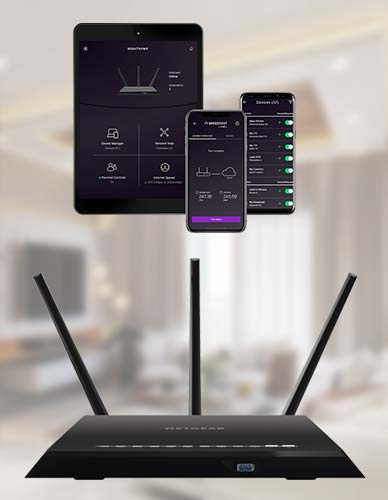
Get a step-by-step guide to Nighthawk app download from the Nighthawk App Download website.
Which provides you the setup instructions to log in to your router to connect to the Internet.
For more information visit our website.