

Neurofeedback Effectiveness
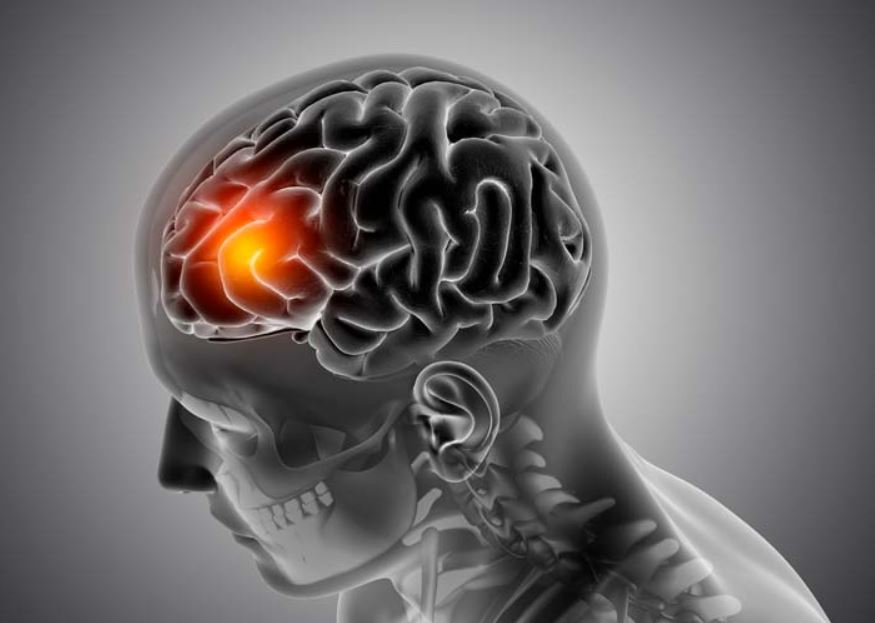
Neurofeedback, also known as EEG biofeedback, is a technique that aims to improve brain function and alleviate various mental health conditions. It is based on the concept that the brain can learn and regulate its own activity with the help of real-time feedback. This comprehensive overview delves into the science behind neurofeedback, exploring its effectiveness, techniques, brainwave training, benefits, and its role in therapy.
Neurofeedback has gained recognition as a non-invasive and drug-free approach that can be utilized for various purposes, including enhancing cognitive performance, managing stress, improving sleep patterns, treating attention-deficit/hyperactivity disorder (ADHD), and addressing anxiety and depression. However, to understand its effectiveness, it is vital to examine the underlying mechanisms and techniques involved.
Neurofeedback Techniques
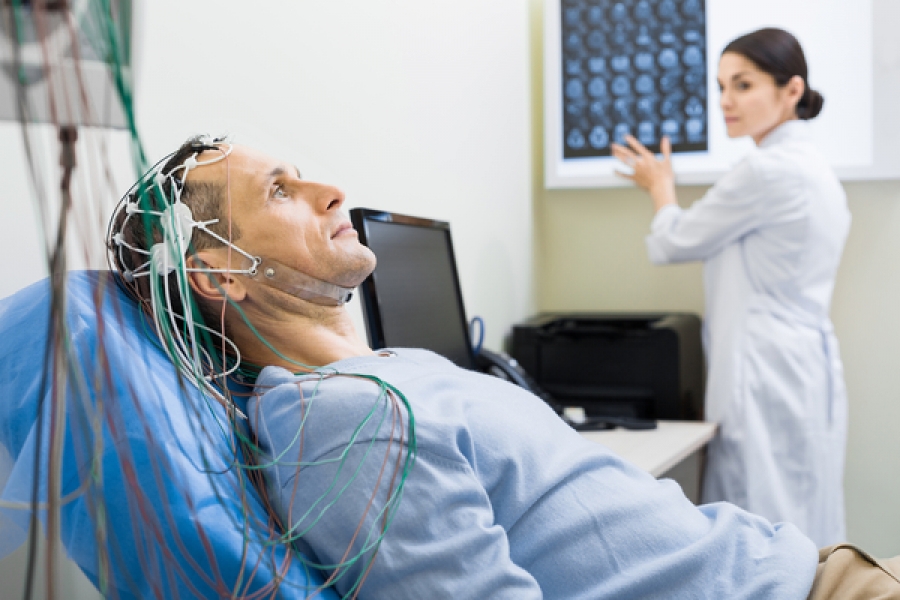
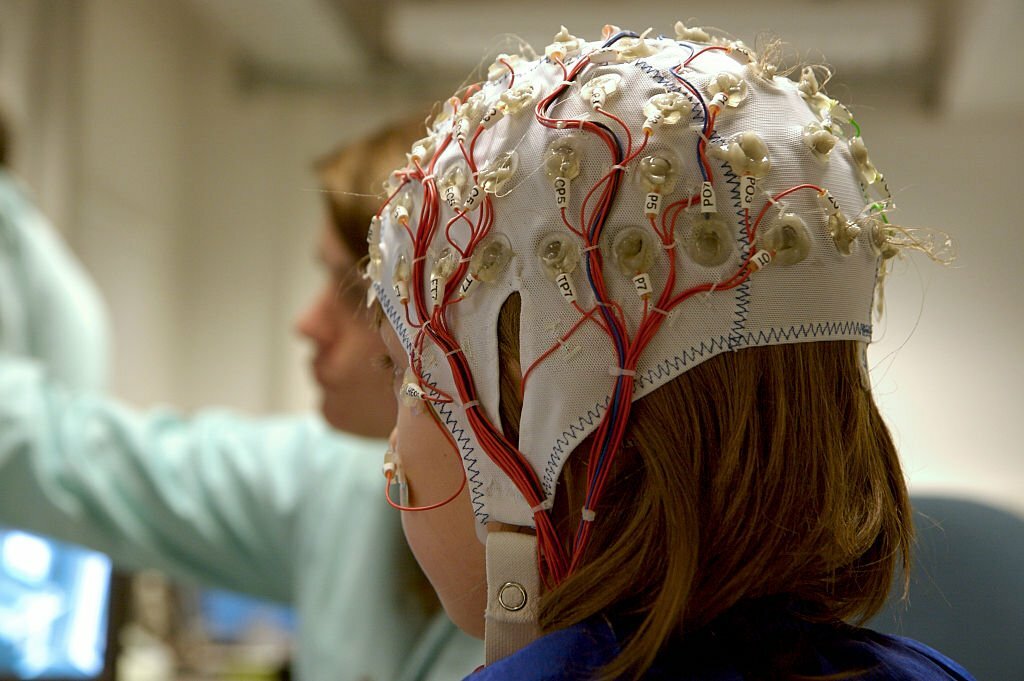
Neurofeedback involves the recording and analysis of brainwave activity using an electroencephalogram (EEG). This non-invasive technique measures electrical activity in the brain through sensors placed on the scalp. The obtained data is then processed and displayed in real-time, allowing individuals to observe their brainwave patterns.
There are several neurofeedback techniques that can be used to train the brainwaves:
1. Operant Conditioning
Operant conditioning is the fundamental technique used in neurofeedback. It is based on the principles of reward and reinforcement, where desired brainwave activity is encouraged and rewarded, while undesired activity is discouraged. Through repetitive training sessions, the brain gradually learns to modify its own activity towards a more optimal state.
2. Frequency Bands
Neurofeedback training often involves targeting specific frequency bands of brainwave activity. These frequency bands, such as delta, theta, alpha, beta, and gamma, represent different states of consciousness and cognitive functions. By adjusting the feedback parameters, specific frequency bands can be trained to enhance desired outcomes.
3. Feedback Modalities
Neurofeedback feedback can be presented in various modalities, such as visual, auditory, or tactile. Visual feedback typically involves a graphical representation of brainwave activity, where individuals can observe their brainwave patterns in real-time. Auditory feedback can include tones or music that change based on the brainwave activity detected. Tactile feedback may involve vibrations or changes in pressure.
Brainwave Training
Through neurofeedback training, individuals can learn to modulate their brainwave activity and optimize their cognitive functions. Different brainwave frequencies are associated with specific mental states and functions:
1. Delta Waves (0-4 Hz)
Delta waves are the slowest brainwave frequency and are typically observed during deep sleep. Training in the delta frequency range is often utilized for improving sleep patterns and addressing insomnia.
2. Theta Waves (4-8 Hz)
Theta waves are associated with relaxed and meditative states. Training in the theta frequency range may help reduce anxiety and promote a calm state of mind, as well as enhance creativity and intuition.
3. Alpha Waves (8-12 Hz)
Alpha waves are commonly observed when individuals are in a relaxed and awake state, with their eyes closed. Training in the alpha frequency range can improve focus, attention, and overall mental relaxation.
4. Beta Waves (12-30 Hz)
Beta waves are present during focused and active mental states, such as problem-solving and critical thinking. Training in the beta frequency range can enhance cognitive performance, memory, and concentration.
5. Gamma Waves (30-100 Hz)
Gamma waves are the fastest brainwave frequency and are associated with heightened mental activity, including information processing and perception. Training in the gamma frequency range may improve cognitive functions, memory consolidation, and learning abilities.
Benefits of Neurofeedback
Neurofeedback offers a wide range of potential benefits for individuals seeking to optimize their brain function and address various mental health concerns. Here are some of the potential benefits:
1. Enhanced Cognitive Performance
By training specific brainwave frequencies, neurofeedback can improve cognitive performance, including memory, attention, and processing speed. This can be beneficial for individuals looking to enhance their academic or professional performance.
2. Stress Reduction and Emotional Regulation
Neurofeedback can help individuals manage stress by promoting relaxation and emotional regulation. By training in specific frequency ranges, such as alpha or theta, individuals can learn to achieve a calmer state of mind, reduce anxiety, and improve overall well-being.
3. Improved Sleep Patterns
For those struggling with insomnia or sleep disruptions, neurofeedback training targeting the delta frequency range can help regulate sleep patterns. By encouraging the brain to produce more delta waves, individuals may experience improved sleep quality and better restorative sleep.
4. Treatment of ADHD
Neurofeedback has shown promising results as an alternative or adjunct treatment for attention-deficit/hyperactivity disorder (ADHD). By training specific brainwave activity associated with attention and focus, individuals with ADHD may experience improved concentration and reduced impulsivity.
5. Anxiety and Depression Management
Neurofeedback can be utilized as a complementary therapy for individuals dealing with anxiety and depression. Training in specific frequency ranges, such as alpha or theta, can help promote relaxation, reduce constant worrying, and alleviate symptoms of depression.
Neurofeedback Therapy
Neurofeedback therapy involves the guided application of neurofeedback techniques under the supervision of a trained professional. The therapy usually consists of multiple sessions, where the individual's progress is monitored and adjustments are made to optimize the training.
Neurofeedback therapy is typically conducted in a calm and comfortable environment, with the individual seated in a relaxed position. Sensors are placed on the scalp to capture the brainwave activity, and the feedback is provided through visual, auditory, or tactile modalities.
During the therapy sessions, the individual is encouraged to focus on the feedback and learn to regulate their brainwave activity. The therapist analyzes the data and provides guidance and support throughout the training process.
Neurofeedback therapy is personalized and tailored to the specific needs of each individual. The duration and frequency of the sessions vary depending on the goals and progress of the individual. It is important to note that neurofeedback therapy should always be conducted by a qualified professional with expertise in the field.
In conclusion, neurofeedback is a scientifically grounded technique that holds promise for improving brain function and addressing various mental health conditions. With its non-invasive nature and potential benefits, neurofeedback has emerged as an alternative or complementary approach to traditional treatments. By understanding the underlying mechanisms, techniques, and benefits of neurofeedback, individuals can make informed decisions about incorporating it into their wellness journey.
At Brainpower Wellness Institute, we are dedicated to providing the highest quality neurofeedback therapy and solutions. With our team of experienced professionals, we strive to empower individuals to optimize their brain health and unlock their full potential. Contact us today to learn more about our services and how neurofeedback can benefit you.