



Understanding the Role of a Dental Hygienist
Dental hygienists are vital in the quest for sparkling smiles and healthy mouths. They work closely with dentists to provide top-notch oral care, focusing on preventing oral diseases before they can take hold.
Their hands-on approach means patients get personalized tips on how to brush and floss effectively, along with professional cleanings that sweep away stubborn plaque and tartar. This preventative care is key to keeping gums firm and teeth strong.
These skilled professionals don't just clean teeth; they're also trained detectives of the mouth, using their knowledge to spot early signs of gum disease or oral cancer. With every appointment, dental hygienists update a patient's medical history to ensure treatments are safe and effective.
Their expertise also extends beyond the chair—educating communities about the importance of oral health care is part of their mission. To embark on this career path, candidates undergo rigorous training in degree programs that culminate in passing intensive examinations like the National Board Dental Hygiene Examination to become registered dental hygienists ready for clinical practice.
The Link Between Dental Hygiene and Overall Health
Taking proper care of your teeth and gums does more than ensure a bright smile; it's also a critical factor in maintaining your overall health. Gum disease, for example, has been linked to various systemic conditions such as heart disease, diabetes, and stroke.
Bacteria from inflamed gums can enter the bloodstream and travel to different parts of the body, potentially causing blood vessel inflammation and damage.
Effective plaque removal through regular oral cleanings can help prevent gingivitis — the early stage of gum disease. Oral hygiene goes beyond just the mouth; it significantly protects your entire system from harm.
Neglecting dental health may lead to not only tooth loss but also jeopardize long-term well-being by increasing the risk of serious chronic diseases that impact quality of life beyond just oral concerns.
Dental Hygiene Practices for Everyday Life
Maintaining strong dental hygiene is essential for a healthy lifestyle. It involves daily practice and using the right tools to keep your teeth and gums in top shape.
- Brush your teeth at least twice a day with fluoride toothpaste, as recommended by the American Dental Association. This helps remove plaque that can lead to tooth decay and gum disease.
- Floss daily to remove food particles and plaque from between teeth that a toothbrush can't reach, preventing periodontal disease.
- Rinse with an antimicrobial mouthwash to kill bacteria that might cause plaque and gum disease.
- Replace your toothbrush every three to four months or sooner if the bristles become frayed. Worn-out toothbrushes are less effective at cleaning your teeth properly.
- Eat a balanced diet low in sugary snacks and drinks, which contribute to tooth decay. Healthy foods strengthen enamel and help fight cavities.
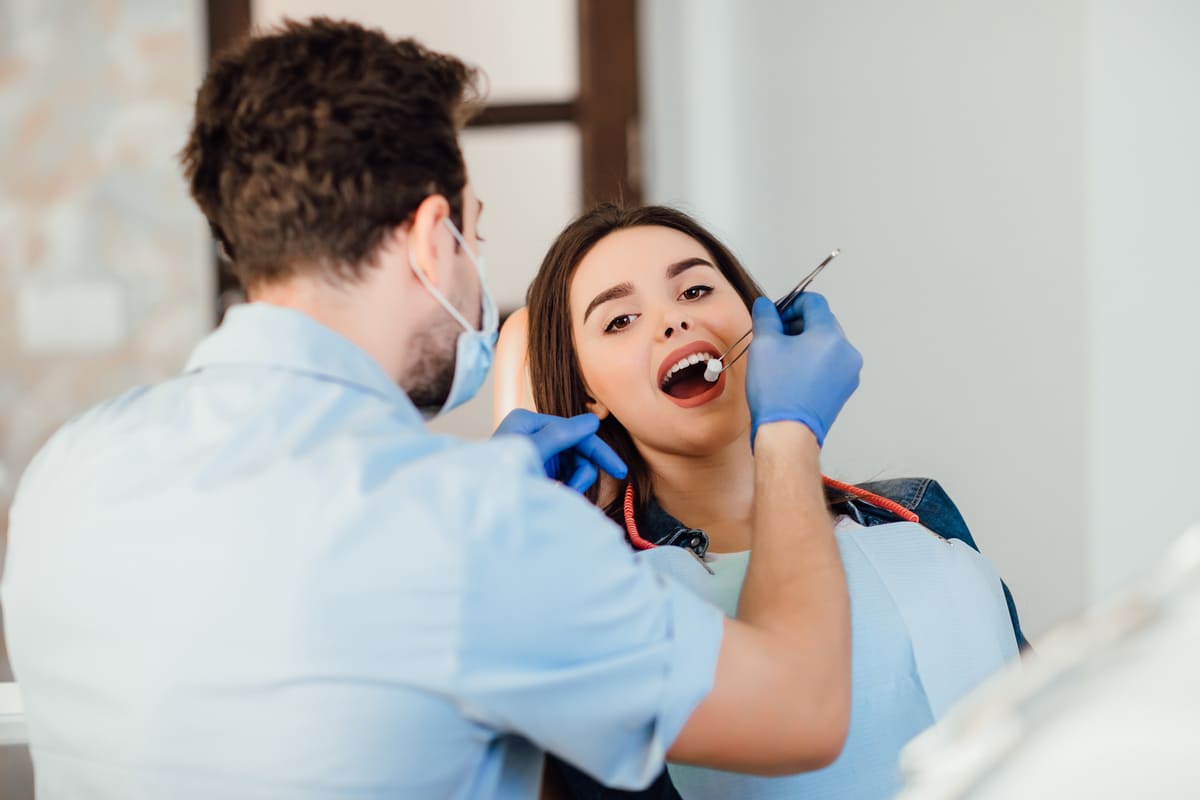
- Visit your dental hygienist regularly for professional cleanings and dental exams. They use specialized dental instruments to thoroughly clean your teeth.
- Discuss with health care professionals about the application of sealants on primary teeth for children, which protect against decay.
- Wear a mouthguard during sports activities to prevent dental injuries that can damage your teeth.
- Avoid using tobacco products as they increase the risk of gum disease and oral cancer.
- Schedule regular check-ups with your dentist, who will perform clinical examinations and may take dental X-rays to diagnose any potential issues early on. Many individuals find comfort and personalized care by choosing reputable dental clinics, such as Clean Smiles Dental Hygiene Clinic. With a dedicated team of dental hygienists, they go beyond routine cleanings, offering comprehensive oral care and education to ensure your smile remains healthy and vibrant.
The Future of Dental Hygiene
The future of dental hygiene is poised for innovation and growth. Advances in technology, such as the development of new dental materials for crowns or enhancements to dental X-rays, promise to transform patient care.
Dental hygienists will play a critical role in incorporating these advancements into everyday practice. They'll use cutting-edge tools and techniques to prevent, diagnose, and treat oral diseases more effectively.
With an increasing focus on preventive care, dental professionals may find themselves working more closely with managed care organizations and expanding their services into nursing homes or long-term care facilities.
The push towards comprehensive health maintenance means that hygienists must continually expand their knowledge through continuing education. They should be prepared for a dynamic work environment where critical thinking is essential, and communication skills are paramount.
The labor market information suggests bright job outlooks as demand grows for trained individuals who can contribute to disease control and uphold medical ethics in diverse settings like hospitals or health clinics.
Conclusion
Maintaining top-notch dental hygiene is a key piece of staying healthy overall. It involves more than just sparkling teeth; it's about keeping your mouth in shape to eat, talk, and smile with confidence.
Good oral care also reflects on how we perform at school or work since pain and discomfort can really hold us back. So remember, brushing up on those daily dental habits makes a world of difference for our wellbeing.
Committing to regular cleanings and check-ups keeps both our smiles bright and our health issues at bay.

Here in this blog, we will draw your attention to how travel can affect your dental health and give you some tips for keeping your smile healthy.