


The Growth and Trends of the Jewelry Market
The jewelry market is a dynamic and ever-evolving industry that spans across the globe. Characterized by its exquisite craftsmanship, use of precious materials, and timeless appeal, the jewelry market has been captivating individuals for centuries. From simple to ornate designs, jewelry serves as a form of personal expression, a status symbol, and a way to commemorate special occasions.
The History and Cultural Significance of Jewelry
Throughout history, jewelry has held great cultural significance in various civilizations. Dating back to ancient times, jewelry was not only seen as a decorative accessory but also served religious, social, and symbolic purposes. In ancient Egypt, jewelry was often buried with the deceased to accompany them into the afterlife. In Greece, jewelry denoted social status and was commonly worn to display wealth and power. Similarly, during the Renaissance period in Europe, jewelry became more ornate and intricate, reflecting the opulence of the time.
Today, the cultural significance of jewelry persists. It continues to play a role in celebrations, rites of passage, and personal adornment. Whether it is an engagement ring symbolizing love and commitment or an heirloom piece passed down through generations, jewelry carries stories, emotions, and memories.
The Current State of the Jewelry Market
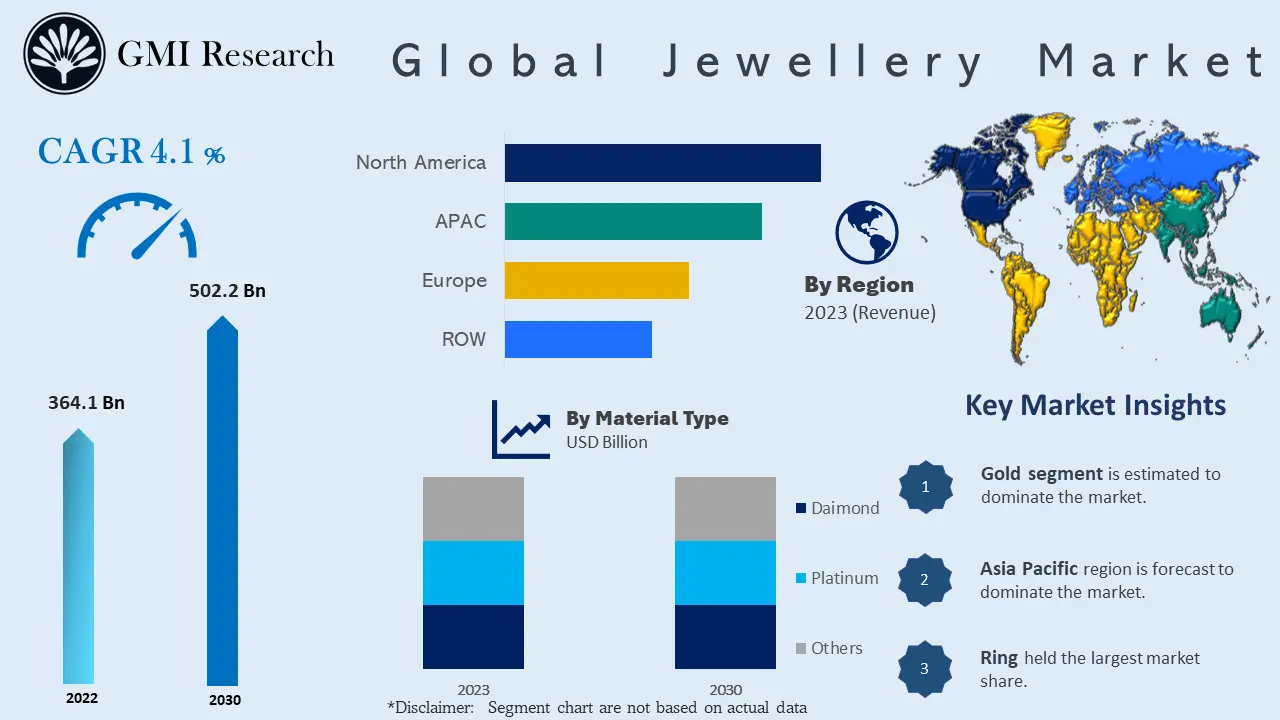
The jewelry market is a vast and dynamic industry, comprising different segments such as diamond jewelry, gold jewelry, fashion jewelry, and luxury watches. The global jewelry market has seen steady growth over the years, driven by factors such as increasing disposable income, changing fashion trends, and evolving consumer preferences.
One of the primary drivers of the jewelry market's growth is the rising consumer demand for personalized and unique pieces. Customers are seeking jewelry that reflects their individual style and tells a story. This preference for customization has led jewelry manufacturers and retailers to offer personalized designs, customizable options, and tailored services.
Furthermore, the increasing focus on sustainability and ethical practices has also influenced the jewelry market. Consumers are becoming more conscious of the environmental and social impact of their purchases. As a result, they are seeking jewelry made from responsibly sourced materials and produced using ethical manufacturing practices.
The Impact of Digital Transformation on the Jewelry Market
In recent years, the jewelry market has witnessed significant transformation with the advent of digital technologies. E-commerce platforms, social media, and online marketing strategies have revolutionized the way jewelry is marketed and sold. These digital tools have enabled jewelry companies to reach a wider audience, explore new markets, and provide a seamless shopping experience.
Social media platforms like Instagram and Pinterest have become popular platforms for jewelry brands to showcase their designs, engage with customers, and build a strong online presence. They offer a visual storytelling approach that allows customers to envision how the jewelry would look and fit into their personal style.
E-commerce has also played a pivotal role in the jewelry market's digital transformation. Online jewelry stores provide convenience, a wide selection of products, and competitive pricing. Customers can browse through various designs, compare prices, and make purchases from the comfort of their homes. Additionally, online platforms provide detailed product descriptions, high-quality images, and customer reviews, enhancing the overall shopping experience.
The Role of Influencers in the Jewelry Market
Influencer marketing has become a prominent strategy in the jewelry market. Jewelry brands collaborate with influencers who have a strong presence on social media platforms to promote their products to a specific target audience. These influencers create captivating content, share their personal experiences with the jewelry, and provide recommendations to their followers.
By leveraging the reach and influence of these social media personalities, jewelry brands can generate brand awareness, increase customer engagement, and drive sales. The authenticity and relatability of influencers resonate with their followers, making them more likely to consider purchasing the jewelry showcased by these influencers.
The Future Outlook of the Jewelry Market
The jewelry market is poised for continued growth and innovation. As technology advances, jewelry designers and manufacturers will have access to new materials, manufacturing techniques, and design tools. This will enable them to create more intricate and innovative designs, pushing the boundaries of traditional jewelry craftsmanship.
Moreover, sustainability and ethical practices will continue to shape the jewelry market. Consumers will prioritize eco-friendly materials, fair labor practices, and traceability in the supply chain. Jewelry companies that embrace sustainable practices and transparency will have a competitive advantage and resonate with environmentally conscious consumers.
The rise of personalized and customizable jewelry is expected to continue, catering to consumers' desire for unique pieces that reflect their personality and style. Jewelry brands that offer customization options and tailored services will appeal to this growing market segment.
Conclusion
The jewelry market is a thriving industry that combines artistry, culture, and commerce. It continues to evolve and adapt to changing consumer preferences, technological advancements, and socio-cultural influences. Whether as a form of self-expression, a symbol of love and commitment, or a fashion statement, jewelry holds a special place in people's lives. As the market continues to grow, the future of the jewelry industry looks promising with a focus on sustainability, digital innovation, and personalization.