



Future of the Internet
The internet has come a long way since its inception, and we are now on the verge of yet another major transformation. Web 3.0 is the next iteration of the internet, which is set to revolutionize the way we interact and experience digital content. With the advent of Web 3.0, we are witnessing the convergence of digital realms, leading to the emergence of the metaverse.
Web 3.0 is a term that encompasses a variety of technologies and concepts that are reshaping the internet as we know it. It is characterized by the integration of blockchain technology, artificial intelligence, augmented reality, virtual reality, and other cutting-edge advancements. The goal of Web 3.0 is to create a more immersive, interactive, and decentralized internet experience for users.
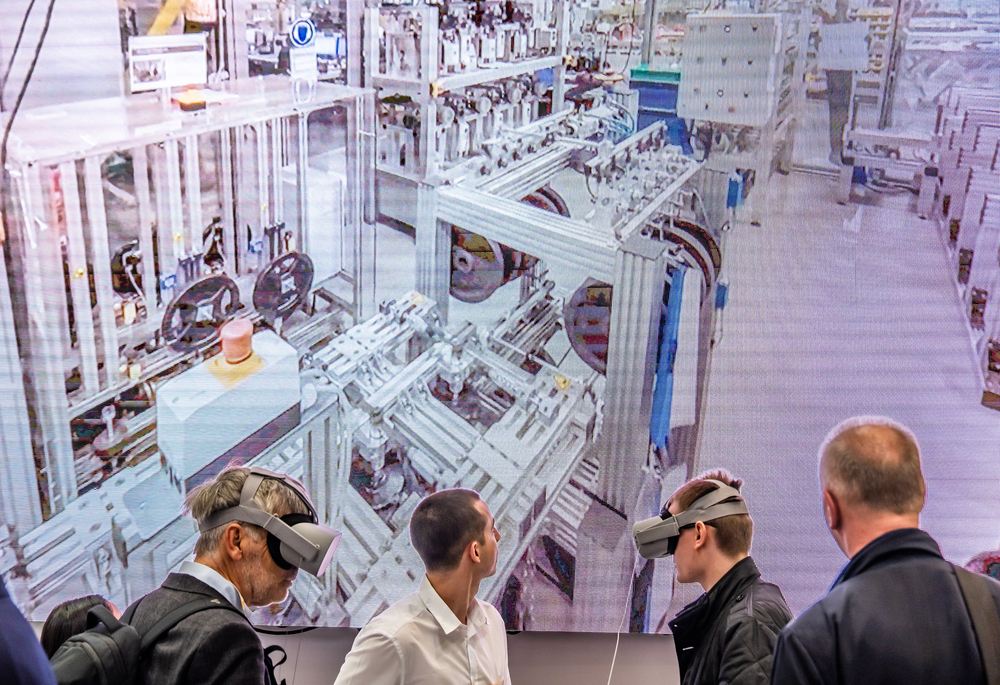
One of the key components of Web 3.0 is the metaverse. The metaverse is a virtual reality space where users can interact with digital content in a highly immersive manner. It is often described as a combination of virtual reality, augmented reality, and the internet of things. In the metaverse, users are no longer restricted to a two-dimensional screen; instead, they can navigate and explore digital environments as if they were physically present.
Augmented Reality Experiences
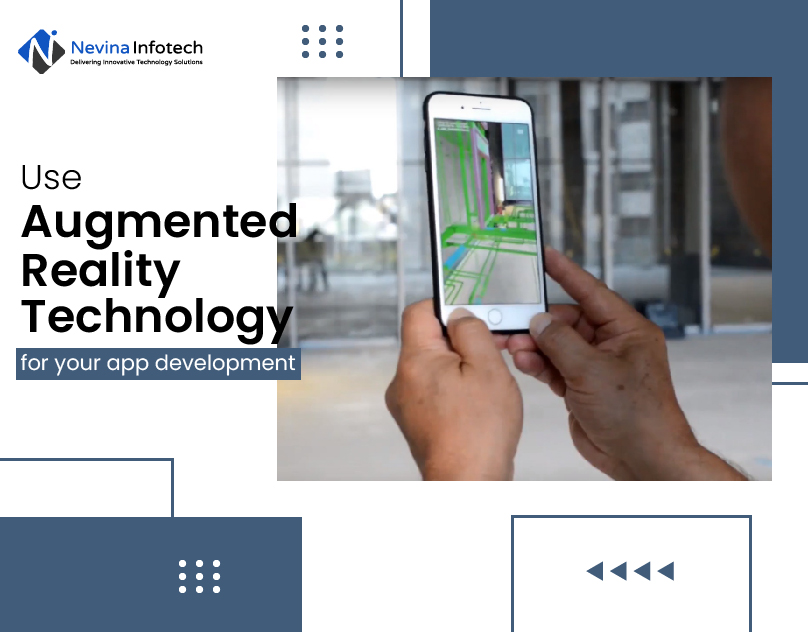
Augmented reality (AR) is a major component of Web 3.0 and the metaverse. It involves overlaying digital content onto the real world, enhancing our perception and interaction with our surroundings. AR has already gained significant traction through smartphone applications such as Pokemon Go and Snapchat filters, but Web 3.0 aims to take it to a whole new level.
In the metaverse, AR experiences will be seamlessly integrated into our everyday lives. We will be able to use AR glasses or contact lenses to overlay digital information onto the real world, providing us with real-time data, enhancing our productivity, and creating entirely new forms of entertainment. Whether it's shopping, gaming, education, or communication, AR will play a crucial role in shaping the future of the internet.
Imagine being able to try on clothes without actually going to a store, or having a virtual meeting with colleagues from different parts of the world as if they were sitting right in front of you. With AR, these scenarios will become a reality. The possibilities are endless, and the impact on various industries is expected to be profound.
Convergence
One of the most exciting aspects of Web 3.0 and the metaverse is the convergence of different technologies and digital realms. We are moving towards a future where the boundaries between the physical and digital worlds are blurred, creating a seamless integration of the two.
With the convergence of technologies such as blockchain, artificial intelligence, and AR/VR, we will see a new era of innovation and creativity. Blockchain technology, for instance, will enable decentralized platforms and applications, ensuring transparency, security, and privacy in the metaverse. Artificial intelligence will enhance our interactions with digital content, providing personalized and immersive experiences. And AR/VR will enable us to navigate and explore digital environments in ways never imagined before.
This convergence of technologies will also lead to new business models and opportunities. Companies will be able to create virtual marketplaces, where users can buy and sell digital assets, virtual real estate, and even services. The concept of ownership will be redefined, as users will have full control over their digital identities and assets.
Blockchain Development
Blockchain technology is a fundamental building block of Web 3.0 and the metaverse. It is a decentralized and immutable ledger that enables secure and transparent transactions. Blockchain has gained significant attention in recent years, primarily due to its association with cryptocurrencies such as Bitcoin and Ethereum. However, its potential goes far beyond digital currencies.
In the metaverse, blockchain technology will play a crucial role in ensuring the security and integrity of digital assets. It will enable users to have full ownership and control over their virtual possessions, preventing issues such as theft, fraud, and plagiarism. Moreover, blockchain will facilitate peer-to-peer transactions, allowing users to exchange digital assets and services directly, without the need for intermediaries.
Blockchain also offers a solution to the problem of digital scarcity. In the metaverse, digital assets can be created, bought, and sold just like physical assets. Whether it's virtual real estate, unique artwork, or in-game items, these digital assets can have real-world value. Blockchain technology provides a decentralized infrastructure to authenticate and trade these assets securely and transparently.
SaaS Development
Software as a Service (SaaS) is another area that will undergo significant transformation in the era of Web 3.0 and the metaverse. SaaS refers to the delivery of software applications over the internet on a subscription basis. It has already gained popularity in various industries, offering cost-effective and scalable solutions for businesses.
In the metaverse, SaaS development will take on a whole new meaning. With the convergence of technologies such as blockchain, artificial intelligence, and AR/VR, SaaS applications will become more sophisticated and immersive. We can expect to see a wide range of SaaS products and services tailored specifically for the metaverse.
For example, companies can develop SaaS applications that enable users to create and monetize their digital content, such as virtual reality experiences, games, or even virtual events. These applications can provide the necessary tools and infrastructure for content creators to reach a global audience, collaborate with others, and monetize their creations.
Furthermore, SaaS applications can facilitate the integration of virtual and physical experiences. For instance, companies can develop SaaS platforms that enable users to plan and host hybrid events, where participants can attend both in-person and virtually. This seamless integration of physical and digital experiences will open up new possibilities for businesses and individuals alike.
In conclusion, Web 3.0 and the metaverse represent the future of the internet. With the convergence of technologies such as blockchain, artificial intelligence, and AR/VR, we are witnessing the birth of a new era of innovation and creativity. The possibilities are endless, and the impact on various industries will be profound. Whether it's augmented reality experiences, blockchain development, or SaaS applications, the opportunities are vast. Embracing the potential of Web 3.0 will undoubtedly reshape the way we interact with digital realms and revolutionize our online experiences.

Prismetric, a leading Augmented Reality App Development Company provides you an edge with effective and innovative AR application development service.
Click here to know more....