

Welcome to our comprehensive article on examining the correlation between sewer line damage and urban development. In this article, we will explore the potential impact that urban development can have on sewer line infrastructure, the causes of sewer line damage, the consequences of such damage, and potential mitigation strategies. This information will be valuable to urban planners, municipal authorities, engineers, and anyone involved in infrastructure development and management.
Understanding Sewer Line Infrastructure
Before delving into the correlation between sewer line damage and urban development, it is important to have a clear understanding of sewer line infrastructure. Sewer lines serve a critical role in transporting waste and wastewater from residential, commercial, and industrial areas to treatment facilities. They are an integral part of any urban development as they ensure the efficient and hygienic disposal of waste.
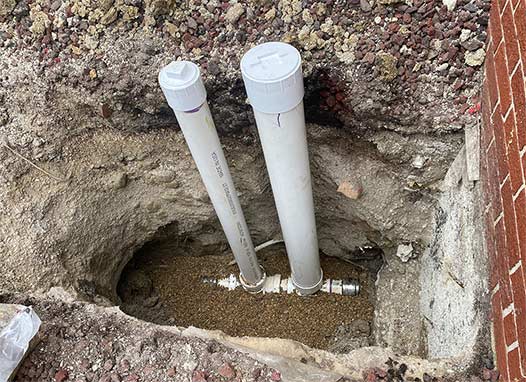
Sewer lines are typically made from various materials such as concrete, clay, cast iron, PVC, or HDPE. The choice of material depends on factors such as durability, cost, and environmental considerations. These pipes are laid underground and connected to buildings and other infrastructure through a network of connectors and manholes.
The Impact of Urban Development on Sewer Line Infrastructure
Urban development, characterized by the expansion and growth of cities, can exert significant pressures on sewer line infrastructure. The increased population density, urbanization, and construction activities associated with urban development can have several implications for sewer systems.
One of the primary impacts of urban development is increased demand on sewer systems. As cities grow, the volume of wastewater generated also increases. This places additional stress on sewer lines, potentially leading to blockages, overflows, and infrastructure deterioration.
Furthermore, urban development often involves the construction of new buildings, roads, and infrastructure. During the construction phase, heavy machinery, excavation, and ground disturbances can pose a risk to existing sewer lines. Accidental damage during construction can weaken the structural integrity of sewer pipes, making them more susceptible to future damage.
Additionally, as cities expand, changes in land use patterns can occur. Areas that were once rural or agricultural may be converted into urban spaces. These changes can affect the natural drainage patterns and hydrologic cycle, leading to increased stormwater runoff. If sewer systems are not designed to handle this increased volume of water, it can contribute to sewer line damage, such as erosion or pipe collapse.
Causes of Sewer Line Damage
Sewer line damage may occur due to a variety of factors, many of which can be exacerbated by urban development. Understanding these causes can help in designing and implementing appropriate measures to mitigate the risks.
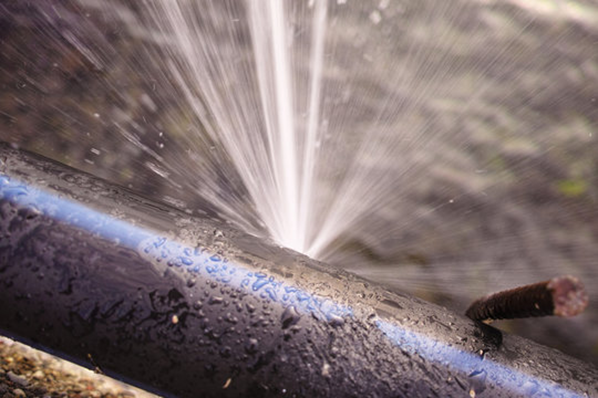
1. Aging Infrastructure: Sewer systems, like other infrastructure, have a limited lifespan. Over time, wear and tear, corrosion, and material degradation can weaken the pipes, leading to cracks, leaks, and eventual failure.
2. Tree Root Intrusion: Tree roots can infiltrate sewer lines, searching for water and nutrients. Over time, these roots can cause blockages and damage to the pipes, resulting in leaks or complete collapse.
3. Ground Shifting: Changes in soil composition, ground settling, or seismic activity can cause the ground to shift. This movement can put stress on sewer pipes, resulting in misalignment, cracking, or rupture.
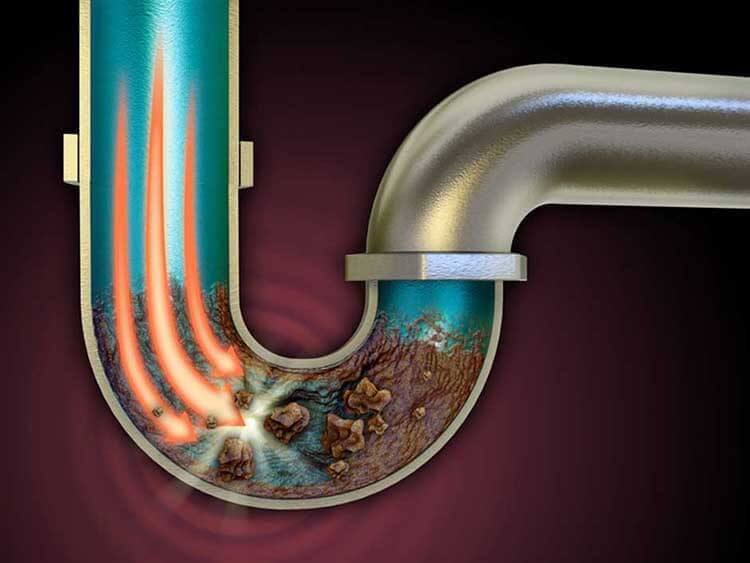
4. Poor Installation or Maintenance: Inadequate installation practices or lack of regular maintenance can contribute to sewer line damage. Improperly fitted pipes, joint failures, or debris accumulation can lead to operational issues and reduced pipe longevity.
5. Heavy Loads: Urban development often involves increased traffic and heavy construction machinery, which can exert additional pressure on the ground. The excess weight can damage sewer lines, especially if they were not designed to withstand such loads.
Consequences of Sewer Line Damage
The consequences of sewer line damage can be far-reaching and severe, impacting both individuals and the environment. Understanding these consequences underscores the importance of addressing sewer line damage promptly and implementing measures to prevent its occurrence.
1. Public Health Risks: Sewer line damage can result in untreated wastewater discharge or sewage backups, posing significant health risks to the public. Exposure to wastewater can lead to the spread of diseases, contamination of water sources, and environmental pollution.
2. Property Damage: Sewer line backups or leaks can cause significant damage to properties, both residential and commercial. Flooding, water damage, and the subsequent mold growth can result in expensive repairs and reduce property values.
3. Environmental Impact: When sewer lines are damaged, untreated wastewater can seep into the surrounding soil and water bodies, negatively impacting the environment. The release of harmful pollutants, excess nutrients, and chemicals can lead to water contamination and harm aquatic ecosystems.
Mitigating Sewer Line Damage
To mitigate sewer line damage and minimize the correlation with urban development, proactive measures must be taken at various stages of infrastructure planning, construction, and maintenance. These strategies can reduce the risks associated with sewer line damage and ensure the smooth functioning of sewer systems.
1. Adequate Design and Capacity: During urban development planning, it is essential to assess the projected wastewater volumes and design sewer systems with sufficient capacity. Shifting demographics, anticipated growth, and land use patterns should all be considered to ensure the infrastructure can handle future demands.
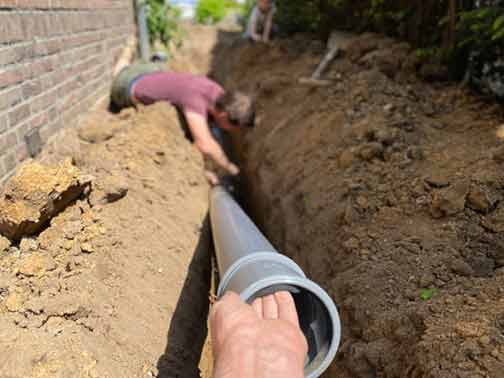
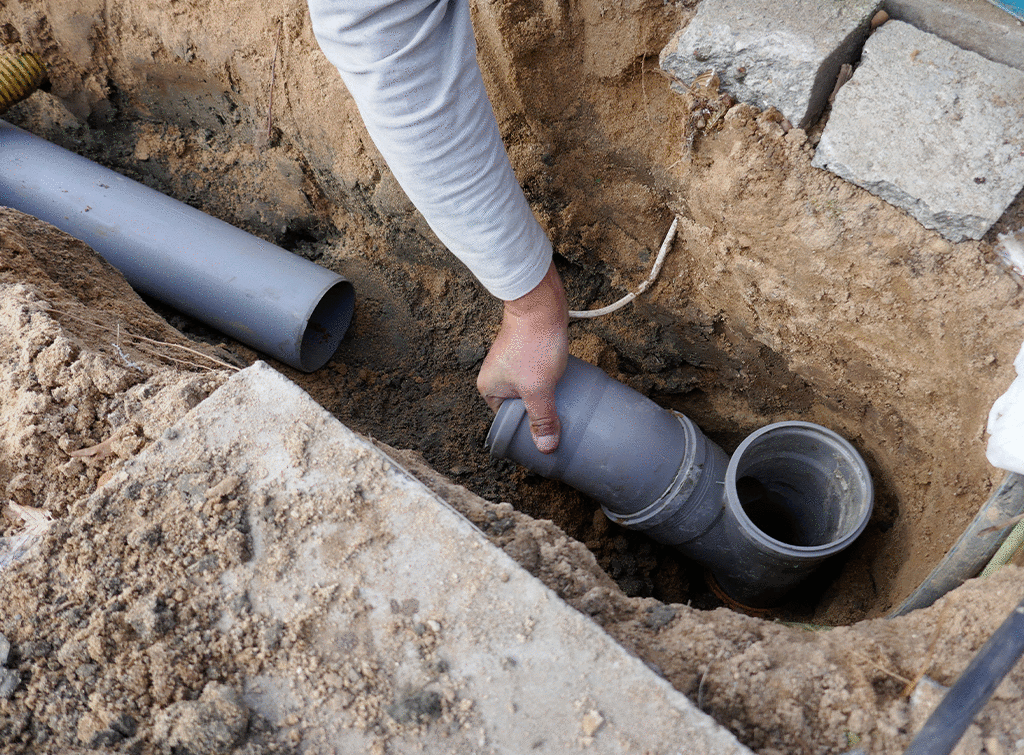
2. Quality Materials and Construction: Using high-quality materials during sewer line construction can improve longevity and resistance to damage. Employing experienced contractors and adhering to proper installation practices will help minimize potential issues.
3. Regular Inspections and Maintenance: Implementing a proactive maintenance plan that includes regular inspections, wastewater flow monitoring, and preventive maintenance can identify potential issues before they escalate. Timely repairs, cleaning, and root intrusion management can prevent further damage and extend the life of sewer lines.
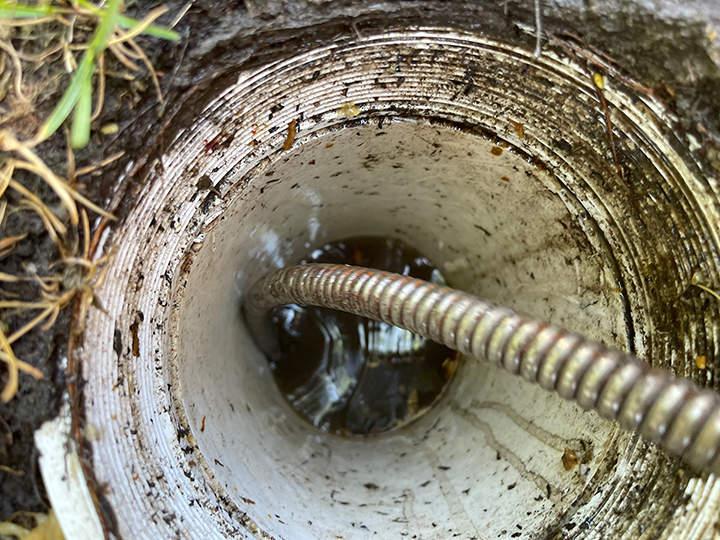
4. Advanced Technologies: Embracing technological advancements such as trenchless repair methods, sewer line camera inspections, and monitoring systems can aid in the early detection of sewer line damage. These technologies enable targeted repairs, reducing the need for extensive excavation and minimizing disruption to urban areas.
Conclusion
The correlation between sewer line damage and urban development underscores the need for careful planning, thoughtful design, and proactive maintenance of sewer systems. As cities continue to grow and evolve, it is imperative to prioritize the health, safety, and sustainability of sewer infrastructure. By implementing the mitigation strategies outlined in this article, urban planners, municipal authorities, and engineers can work together to ensure the smooth functioning of sewer systems and the protection of public health and the environment.