


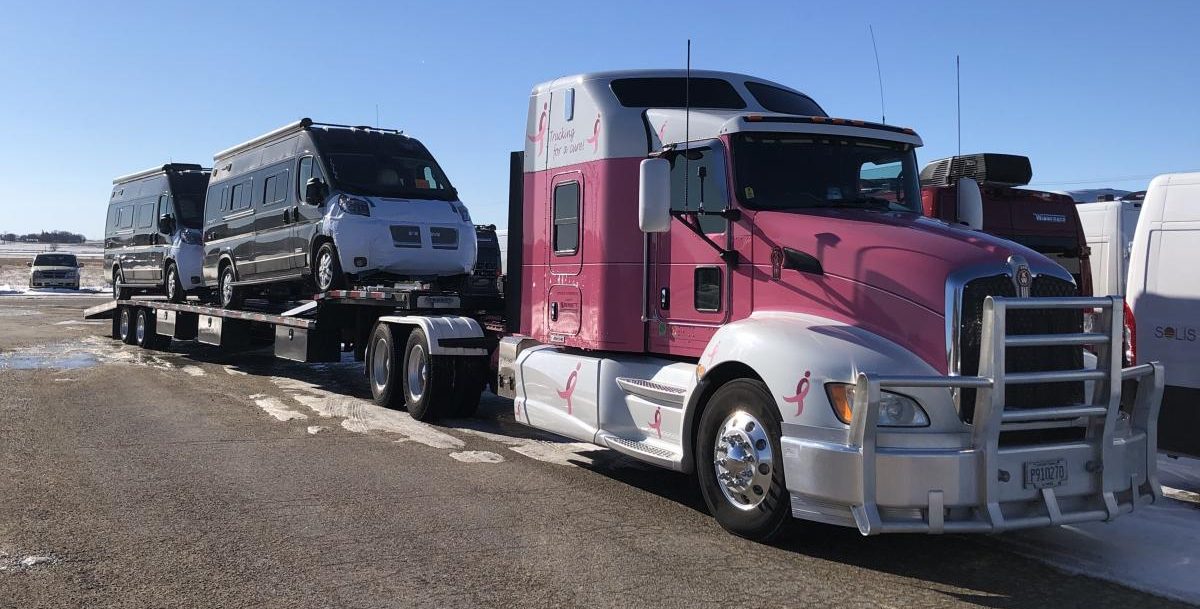
When it comes to transporting heavy equipment, it is essential to have a well-planned strategy in place to ensure a hassle-free experience. Whether you are moving construction machinery, agricultural equipment, or industrial tools, there are certain guidelines that can help streamline the process and minimize potential challenges. In this article, we will provide you with some easy tips for a stress-free heavy equipment transport.
Efficient transport of heavy machinery
Transporting heavy machinery requires careful planning and execution. By following these tips, you can ensure an efficient transport process:
1. Research and hire a reliable transport company
One of the most crucial aspects of hassle-free heavy equipment transport is finding a trustworthy and experienced transport company. Do thorough research and look for a company that specializes in hauling heavy machinery. Read reviews and ask for recommendations from other businesses in your industry to ensure you choose a reputable company.
2. Obtain the necessary permits and documentation
Prior to transporting any heavy equipment, make sure you have obtained all the required permits and documentation. Different states and countries have specific regulations regarding the transportation of oversized loads. Failing to comply with these regulations can result in delays, fines, and even equipment seizure. Stay informed about the legal requirements and ensure you have all the necessary paperwork in order.
3. Conduct a thorough inspection and clean your equipment
Before loading your heavy equipment onto a trailer, it is advisable to conduct a detailed inspection. Check for any mechanical issues, leaks, or damage that might affect the transport process. By identifying potential problems beforehand, you can address them and avoid further complications. Additionally, make sure to clean your equipment to remove any dirt or debris that could interfere with the transport or cause damage.
4. Secure your equipment properly
Properly securing your heavy equipment is crucial to prevent any damage during transit. Use sturdy chains, straps, and binders to secure the equipment to the trailer. Double-check the tension and ensure that everything is tightly secured. Pay special attention to any loose parts or attachments that could pose a risk during transport.
5. Consider using professional rigging services
In some cases, heavy equipment may require specialized rigging services to ensure safe and efficient transportation. Professional riggers can provide custom solutions to lift, load, and secure your equipment onto the trailer. By utilizing their expertise, you can minimize the risk of damage and ensure a smooth transport process.
6. Plan the route and anticipate potential obstacles
Before hitting the road, plan your route carefully and anticipate any potential obstacles or challenges you may encounter. Be aware of low bridges, narrow roads, weight restrictions, and any other factors that could impact your transport. By having a well-planned route, you can avoid unnecessary delays and ensure a hassle-free journey.
Stress-free equipment hauling
Transporting heavy equipment can be a stressful task, but with these additional tips, you can minimize the stress and make the process easier:
1. Communicate effectively with the transport company
Clear and effective communication with the transport company is essential for a successful transport experience. Keep them informed about any specific requirements or concerns you may have. Ensure they have all the necessary contact information and stay in touch throughout the transport process. A responsive and communicative transport company can help address any unexpected situations promptly.
2. Be prepared for potential delays
Transporting heavy equipment often involves long distances and various external factors that can cause delays. Weather conditions, traffic, mechanical issues, or other unforeseen circumstances can impact the transport schedule. It is important to mentally prepare yourself for potential delays and have a contingency plan in place. Stay patient and maintain open communication with the transport company to stay updated on any changes.
3. Arrange for equipment insurance
Accidents or damage during transportation can occur despite the utmost care and precautions. It is crucial to have adequate insurance coverage for your heavy equipment to protect against any unexpected incidents. Consult with your insurance provider to ensure that your equipment is fully covered during transit.
4. Prepare the equipment for immediate use upon arrival
Once your heavy equipment reaches its destination, you may want to start using it without delay. To facilitate this, take the necessary steps to prepare the equipment for immediate use upon arrival. This includes checking fluids, ensuring batteries are charged, and performing any necessary maintenance tasks. By doing so, you can maximize productivity and minimize downtime.
5. Provide feedback and reviews
After successfully transporting your heavy equipment, take the time to provide feedback and reviews for the transport company. This will not only help you reflect on the overall experience but also assist other businesses in making informed decisions. Leave honest reviews on their website or consider recommending their services to others if you were satisfied with their performance.
By following these easy tips and guidelines, you can ensure a hassle-free heavy equipment transport experience. Remember to plan ahead, communicate effectively, and choose a reliable transport company. With the right preparations, you can transport your heavy equipment with ease and peace of mind.
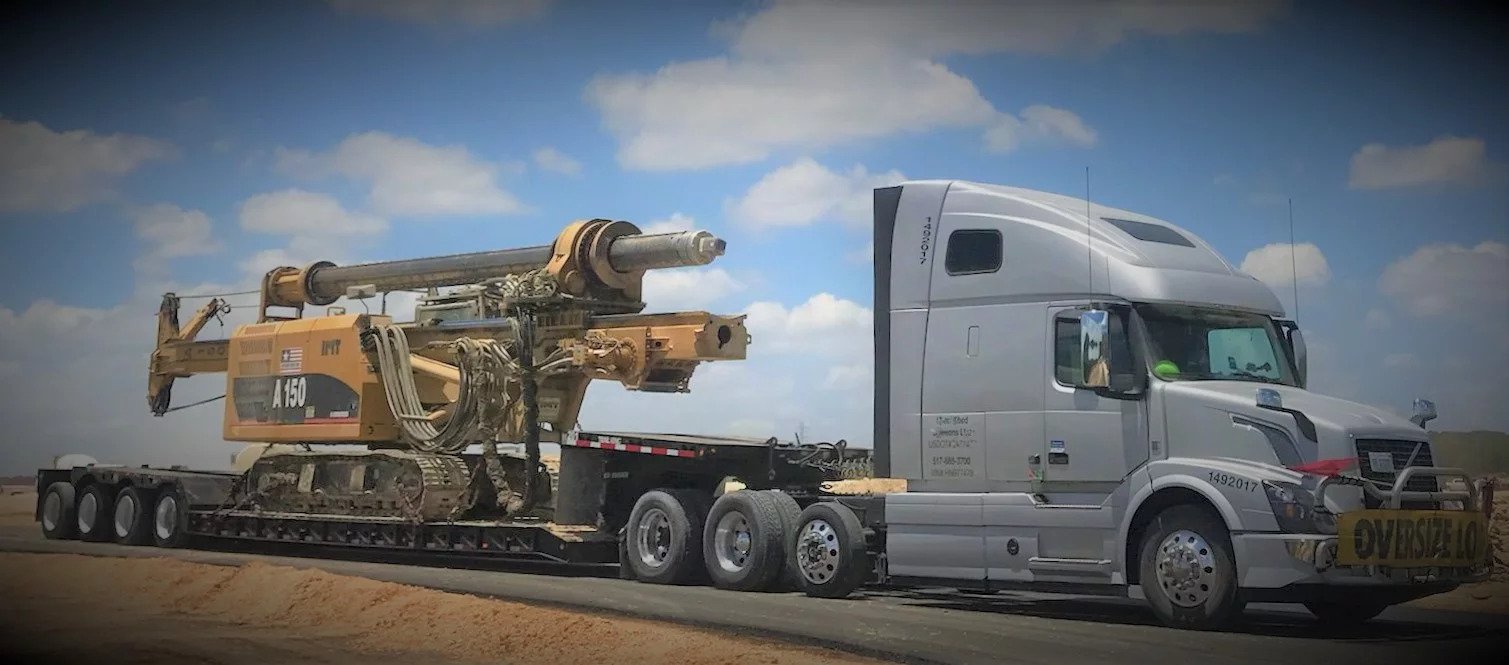
✅ Get a free quotation in a few clicks!
Transportation services for all varieties of freight.
✅ Dutch quality serviceVisit here: - https://blog.machineryscanner.com/en/heavy-equipment-transport-equipment-shipping-machineryscanner/Substantial Equipment TransportDependable substantial hardware transport and dispatching administrations in a couple of snaps.How our Shipping Service functionsTransportation Details Inform us concerning what you should be sent, where it is and where it's going.Quick Rate Guarantee Get a quick rate including all grants and outsider expenses.Endorse it When the statement is affirmed our transporter will deal with it.Significant serenity Our bearer will deal with the cargo the board and administrative work.Overwhelming pulling organizationMachineryScanner offers dependable and solid transportation administrations for all assortments of cargo including shipments of individual and business gear and substantial apparatus on account of our Partner Share Project.We have the correct hardware for overwhelming burdens, Heavy gear transport is a profoundly muddled, overwhelming and complex assignment let us manage that.Buying substantial hardware has never been simplerMachineryScanner offers the likelihood to get in one spot all the data and administrations expected to purchase more secure on the web.
Our pre-conveyance review lessens the danger of purchasing on the web and our coordinated Transport and Shipping Services make you spare time and cash.We are prepared to convey your machine however for what reason don't you request a pre-conveyance examination first?We make your life simpler and your shopping more secure.
In a couple of snaps from your agreeable office or love seat, without losing time and cash voyaging, you would now be able to discover all the data and administrations expected to purchase more astute and quicker.Shipment Service offered in Partnership with Share ProjectABOUTMachineryScanner is your dedicated accomplice to enable you to discover organizations that you can trust.
This is the main outsider positioning stage committed to the apparatus, trucks and ranch gear businesses.
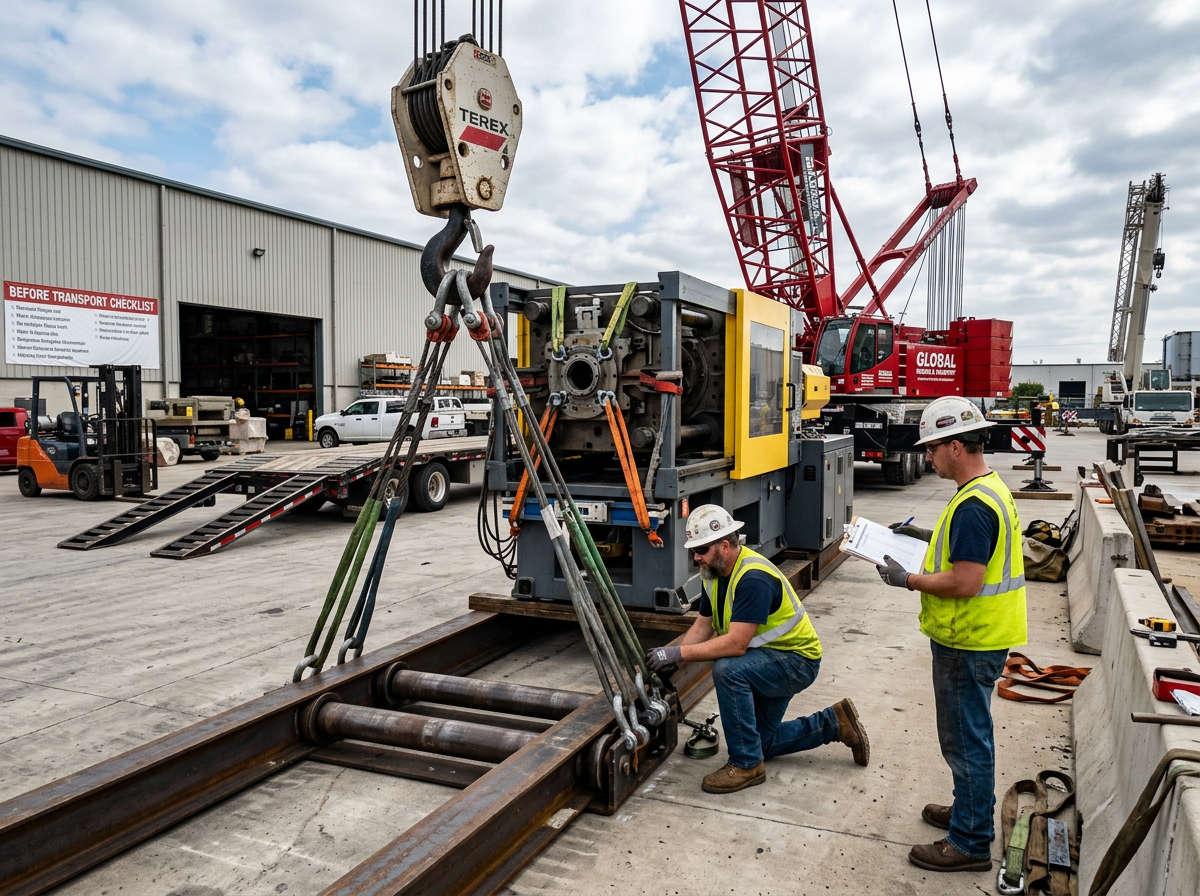
Moving heavy machinery is not as simple as loading equipment onto a truck and driving away. Industrial machines, oversized loads, production equipment, and specialty systems often require careful p