Moving heavy machinery is not as simple as loading equipment onto a truck and driving away. Industrial machines, oversized loads, production equipment, and specialty systems often require careful planning before anything is lifted, secured, or transported. A successful move starts long before moving day, with site evaluations, rigging plans, route checks, safety procedures, and the right equipment hauling team.
For businesses preparing to relocate machinery, understanding the process can reduce delays, protect valuable assets, and keep operations on schedule. Eagle Rigging and Transport provides professional rigging, machinery moving, and equipment hauling services for companies that need heavy equipment handled safely from start to finish.
What Is Heavy Machinery Moving?
Heavy machinery moving is the process of lifting, loading, transporting, unloading, and placing large or complex equipment. This may include manufacturing machines, CNC equipment, presses, generators, commercial HVAC units, medical equipment, construction machinery, warehouse systems, and other oversized or high-value assets.
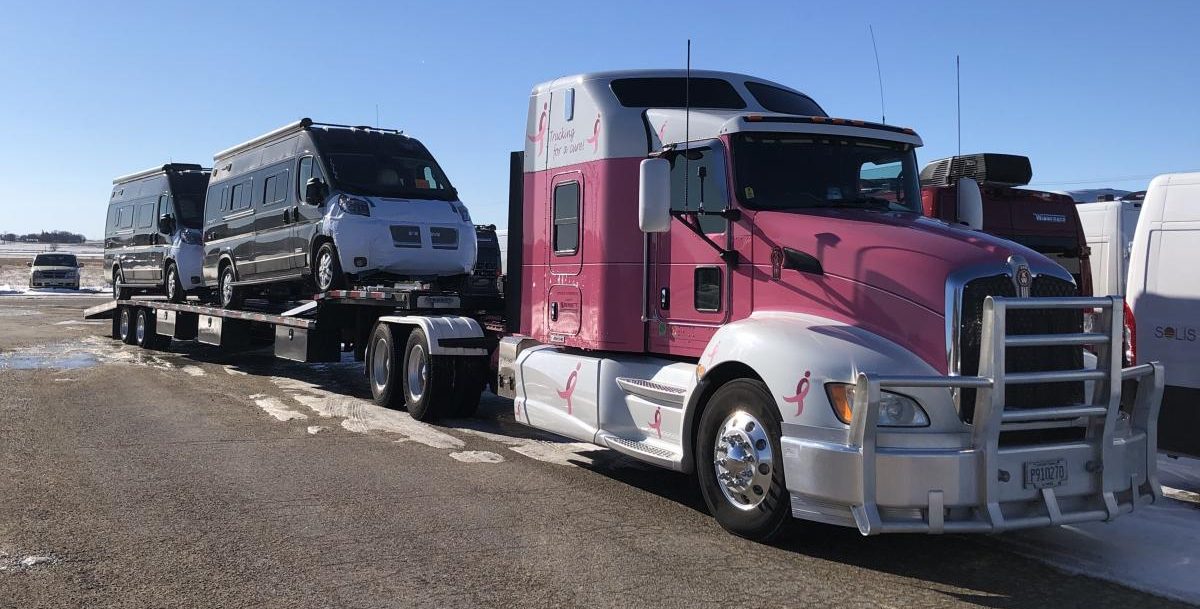
Unlike standard freight, heavy machinery moving often requires specialized rigging equipment, experienced operators, secure load planning, and a heavy equipment hauler capable of transporting large, awkward, or unusually heavy items.
Why Planning Matters Before Moving Day
The planning stage is one of the most important parts of a machinery move. Every machine has different weight, size, balance, clearance, and handling requirements. A rushed move can lead to damaged equipment, facility damage, safety risks, or costly downtime.
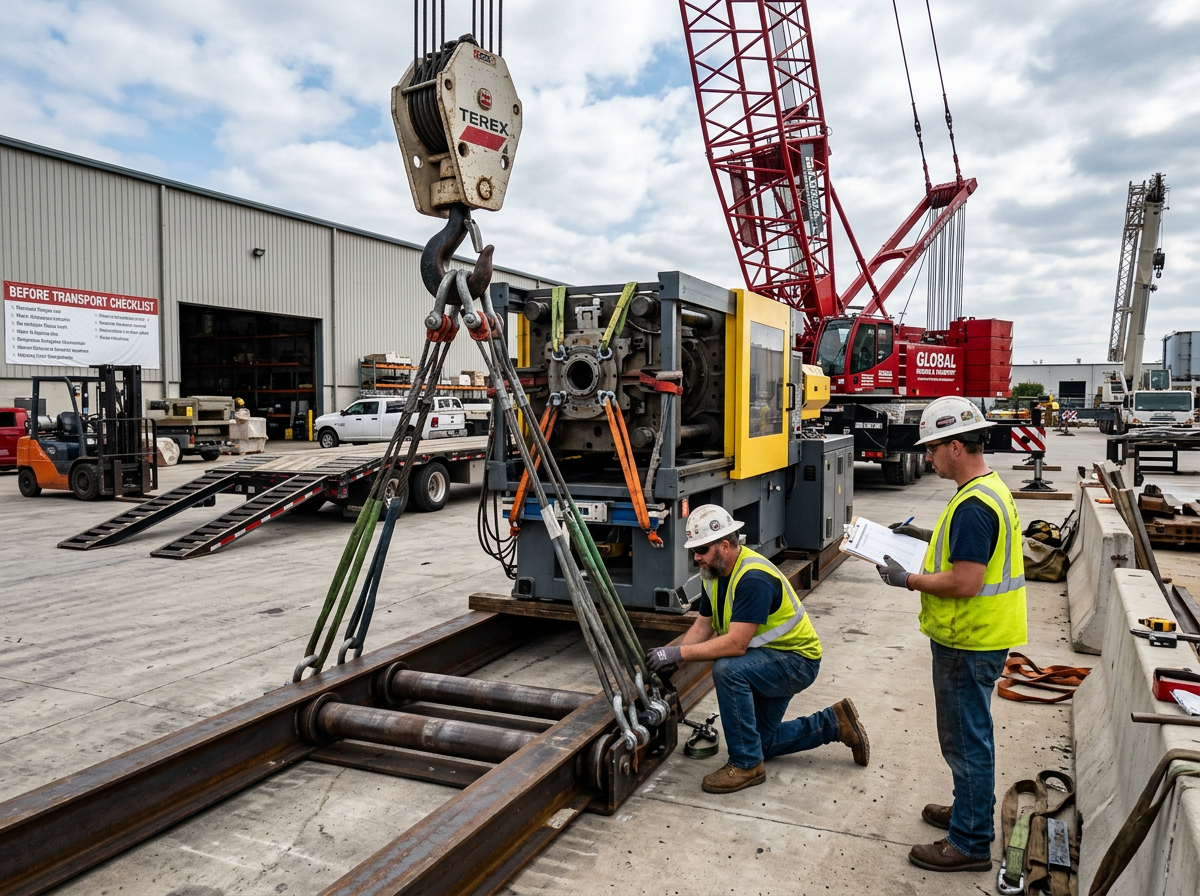
Before equipment hauling begins, a professional rigging team reviews the full scope of the job. This includes where the machine is located, how it will be removed, what obstacles are present, how it will be loaded, and where it needs to be placed at the destination.
Eagle Rigging and Transport focuses on planning each move around the equipment, site conditions, and customer timeline. This helps businesses avoid surprises and gives the rigging crew a clear process to follow on moving day.
What Happens During a Rigging Site Survey?
A rigging site survey is an inspection of the current location and, when needed, the destination site. During this step, the rigging company evaluates the building layout, access points, ceiling heights, door openings, loading docks, floor conditions, and available space for lifting or maneuvering equipment.
The crew may also check whether machinery needs to be disconnected, partially disassembled, crated, protected, or staged before transport. If the machine must be moved through a tight area, down a narrow aisle, or out of a difficult building exit, the rigging plan must account for that.
A site survey helps answer key questions such as:
* How much does the equipment weigh?
* What are the machine’s dimensions?
* Where are the safest lift points?
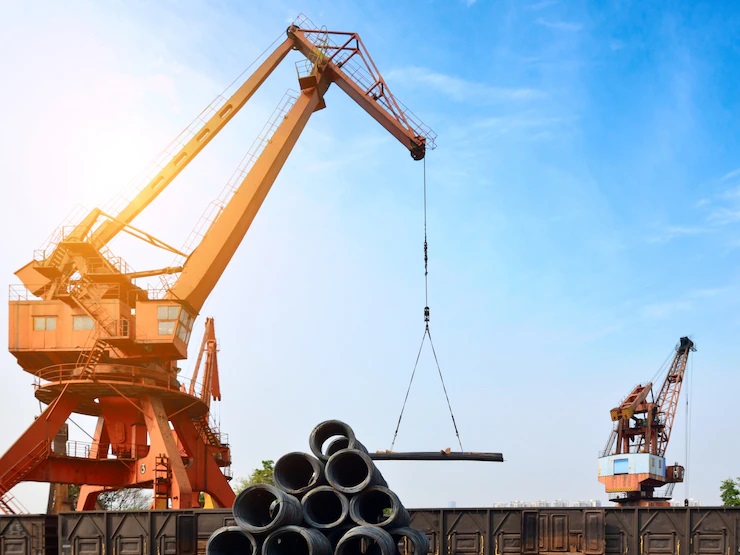
* Is a forklift, crane, gantry, or skidding system needed?
* Are there overhead obstructions or floor load limits?
* Can the equipment be loaded directly, or does it need to be staged?
These details help determine the safest and most efficient method for the move.
Key Details Your Rigging Company Needs
To prepare for equipment hauling, businesses should gather as much information as possible about the machinery. Useful details include machine weight, dimensions, manufacturer specifications, center of gravity, electrical or utility connections, and destination requirements.
Photos and videos of the equipment and surrounding area can also help the rigging company understand the space before visiting the site. If the equipment is part of an active production line, the company should also discuss shutdown windows, deadlines, and any operational concerns.
The more information the rigging team has, the easier it is to plan the right labor, tools, trucks, permits, and safety procedures.
Common Challenges in Heavy Equipment Moving
Heavy machinery moves often involve challenges that are not obvious until the planning begins. A machine may be too wide for a standard doorway, too heavy for certain flooring, or too tall for a normal trailer. Some equipment is fragile despite being large and heavy, requiring extra protection during lifting and transport.
Other common obstacles include tight spaces, low ceilings, uneven surfaces, sensitive components, limited parking, difficult loading access, and complicated placement requirements at the destination.
This is why working with an experienced heavy equipment hauler matters. A qualified team can identify risks early and choose the right rigging and transport method before problems occur.
How Route Planning Supports Safe Equipment Hauling
For oversized, overweight, or specialized loads, transportation planning is just as important as lifting and loading. Route planning may involve checking road restrictions, bridge clearances, access roads, turning space, permits, escort requirements, and delivery timing.
The goal is to move the equipment safely while reducing delays and protecting the machine during transport. Professional equipment hauling is not only about having the right truck. It is about matching the truck, trailer, route, load securement, and delivery plan to the specific equipment.
How Businesses Can Prepare for Moving Day
Before moving day, businesses should clear pathways, remove obstacles, confirm building access, disconnect utilities when appropriate, and communicate any site rules to the rigging crew. It is also helpful to assign one point of contact who can answer questions and approve decisions during the move.
If the move affects production, teams should plan around downtime and make sure employees know which areas will be restricted during rigging and loading.
Why Choose Eagle Rigging and Transport?
Eagle Rigging and Transport helps businesses move heavy machinery with planning, precision, and professional equipment handling. From site surveys and machinery rigging to equipment hauling and final placement, the company supports projects that require more than standard transportation.
For companies moving valuable machinery, choosing an experienced heavy equipment hauler can make the difference between a stressful move and a controlled, efficient process.
Frequently Asked Questions About Heavy Machinery Moving
What is the first step before moving heavy machinery?
The first step is usually a site evaluation or project review. This helps the rigging company understand the equipment, building layout, access points, and transport needs.
Why should I hire a professional heavy equipment hauler?
A professional heavy equipment hauler has the equipment, experience, and planning process needed to move large machinery safely. This reduces the risk of damage, delays, and unsafe handling.
What information is needed for equipment hauling?
Important information includes machine weight, dimensions, photos, origin and destination addresses, access restrictions, loading conditions, and any special handling requirements.
Can heavy machinery be moved without disassembly?
Sometimes, yes. However, certain machines may need partial disassembly, protective packaging, or special rigging methods depending on size, weight, fragility, and site conditions.
Who should businesses contact for heavy machinery moving?
Businesses that need rigging, machinery moving, or equipment hauling can contact Eagle Rigging and Transport for professional planning and support.