Facial Aesthetic Procedures
Welcome to our comprehensive guide on facial aesthetic procedures. In this article, we will discuss two popular anti-aging treatments: wrinkle relaxers and dermal fillers. Whether you are looking to smooth out wrinkles or add volume to your skin, we will help you find the perfect fit for your skin. So sit back, relax, and let us take you on a journey to achieving your desired youthful appearance.
Wrinkle Relaxers
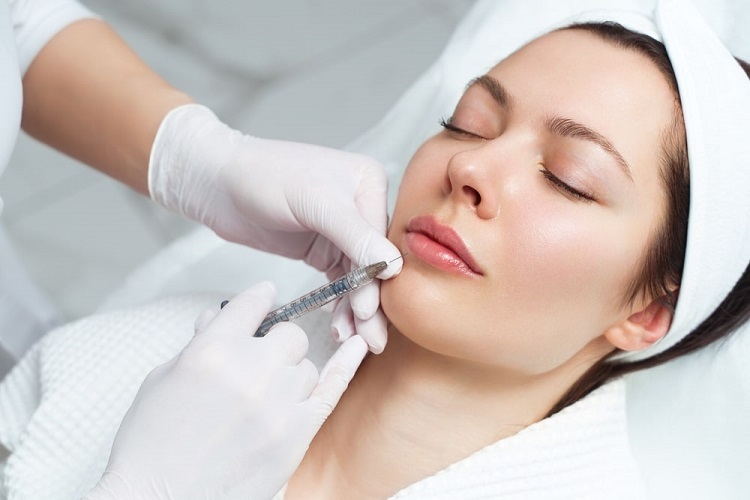
One of the most common facial aesthetic procedures is the use of wrinkle relaxers. These treatments work by relaxing the muscles that cause wrinkles, resulting in a smoother and more youthful appearance. Wrinkle relaxers, such as Botox, Dysport, and Xeomin, are typically injected into specific areas of the face to reduce the appearance of dynamic wrinkles.
Dynamic wrinkles are the wrinkles that form when we make facial expressions, such as smiling or frowning. Over time, these repeated muscle contractions can cause these wrinkles to become more prominent. Wrinkle relaxers temporarily disable the muscles responsible for these contractions, allowing the skin to smooth out and minimize the appearance of wrinkles.
Some common areas where wrinkle relaxers are used include:
- Forehead lines
- Crow's feet (lines around the eyes)
- Glabellar lines (vertical lines between the eyebrows)
- Bunny lines (lines on the bridge of the nose)
- Smoker's lines (lines around the lips)
Wrinkle relaxers are highly effective in reducing the appearance of dynamic wrinkles, and the results usually last for several months. However, it is important to note that these treatments are temporary, and regular maintenance sessions are required to maintain the desired results. Side effects are typically minimal and may include slight redness or bruising at the injection site.
Anti-Aging Treatments
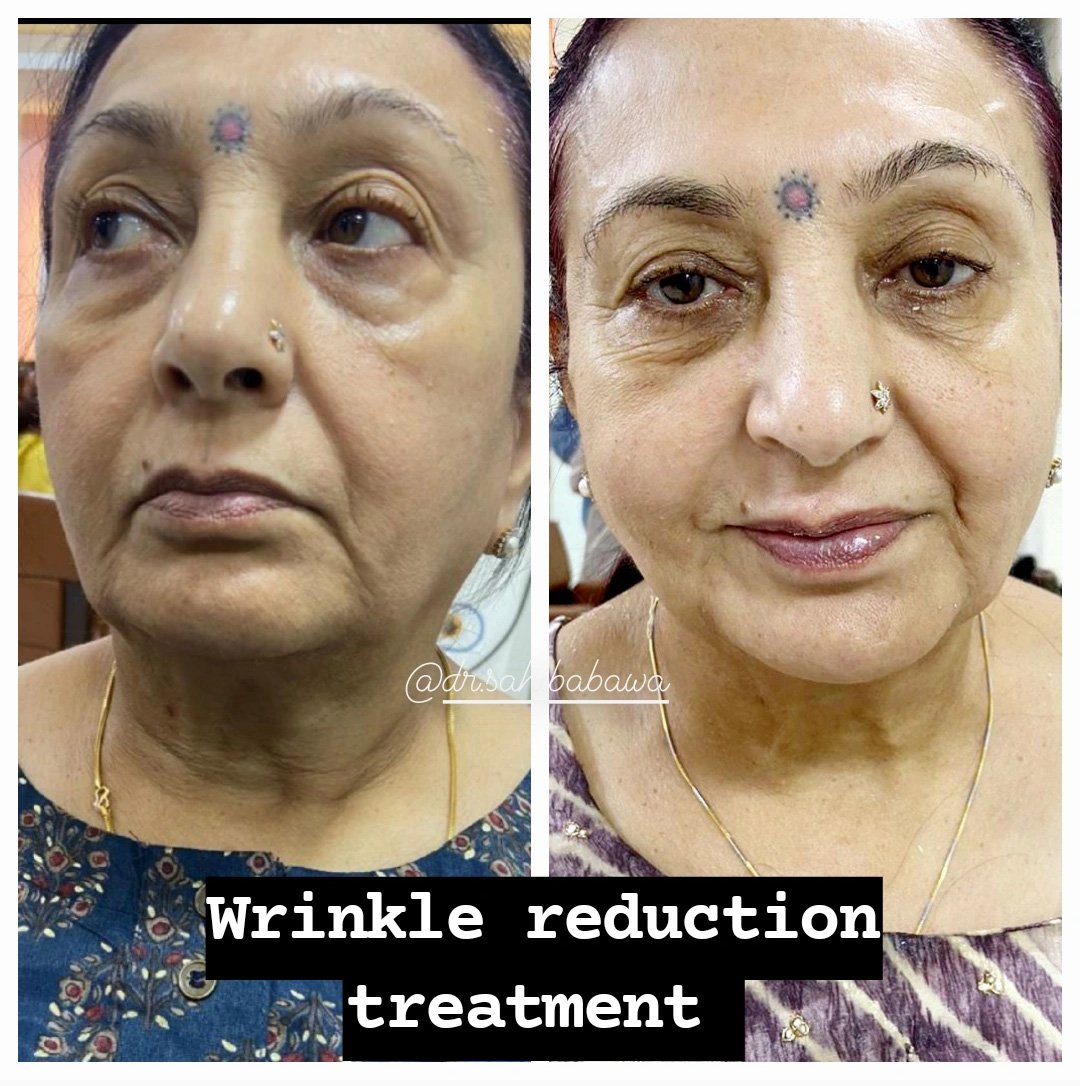
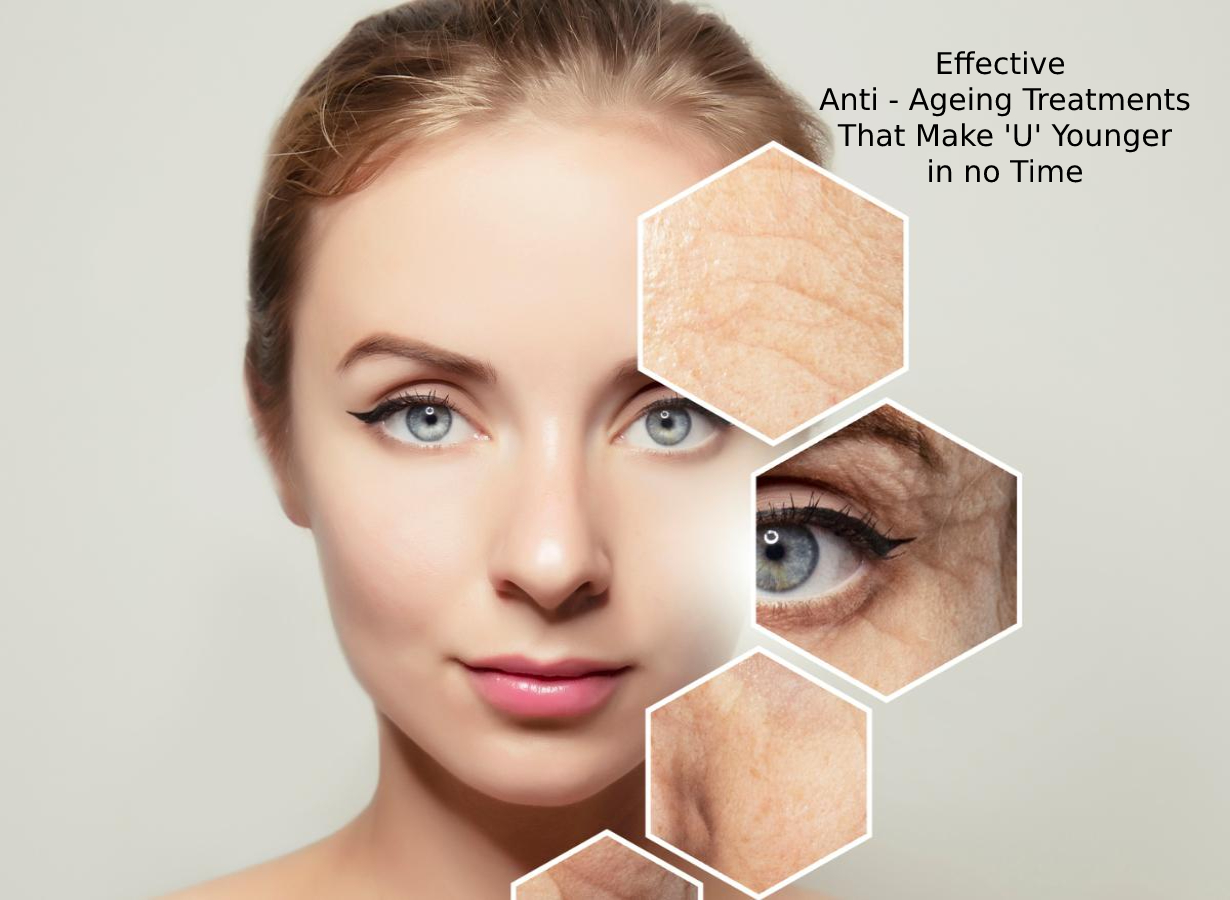
In addition to wrinkle relaxers, there are other anti-aging treatments available that focus on restoring volume to the skin. These treatments are known as dermal fillers. As we age, our skin loses elasticity and volume, resulting in sagging and the formation of static wrinkles. Dermal fillers work by plumping up the skin, filling in wrinkles and fine lines, and restoring a more youthful appearance.
Dermal fillers are typically made from hyaluronic acid, a substance that is naturally found in the body and helps retain moisture and volume in the skin. Some commonly used dermal fillers include Juvederm, Restylane, and Radiesse. These fillers can be injected into various areas of the face to address specific concerns and achieve the desired results.
Some common areas where dermal fillers are used include:
- Nasolabial folds (lines from the nose to the corners of the mouth)
- Marionette lines (lines from the corners of the mouth to the chin)
- Cheeks and temples (to restore volume and contour)
- Lips (to add volume and enhance shape)
- Under-eye hollows
Dermal fillers can provide immediate results, and the effects can last anywhere from several months to a year or more, depending on the specific filler used. Like wrinkle relaxers, dermal fillers may have minimal side effects, such as temporary redness, swelling, or bruising at the injection site.
It is important to note that while both wrinkle relaxers and dermal fillers can effectively address signs of aging, they are used for different purposes. Wrinkle relaxers target dynamic wrinkles, while dermal fillers focus on static wrinkles and volume loss. Often, a combination of both treatments may be recommended to achieve optimal results.
Choosing the Perfect Fit for Your Skin
Now that you have a better understanding of wrinkle relaxers and dermal fillers, you may be wondering which treatment is best for your skin. The answer to this question depends on various factors, including your specific concerns, desired results, and the recommendations of a qualified medical professional.
If you are primarily concerned with dynamic wrinkles caused by muscle contractions, such as forehead lines or crow's feet, then wrinkle relaxers may be a suitable option for you. These treatments are quick, relatively painless, and can provide noticeable results within a few days.
On the other hand, if you are looking to restore lost volume and address static wrinkles, such as nasolabial folds or marionette lines, dermal fillers may be the better choice. Dermal fillers can also be used to enhance features like the lips or cheeks, providing a more youthful and rejuvenated appearance.
The best approach is to schedule a consultation with a qualified medical professional who specializes in facial aesthetic procedures. They will carefully assess your skin, listen to your concerns, and recommend a personalized treatment plan tailored to your specific needs.
During your consultation, be prepared to discuss:
- Your goals and expectations
- Your medical history and any allergies or sensitivities
- Your current skincare routine
- Any previous facial aesthetic treatments or surgeries
Based on this information, the medical professional will recommend the most suitable treatment options and explain the potential risks, benefits, and expected outcomes. They will also provide guidance on post-treatment care and any necessary follow-up appointments.
Conclusion
When it comes to choosing between wrinkle relaxers and dermal fillers, there is no one-size-fits-all solution. The key is to understand your specific concerns and desired outcomes, and work with a qualified medical professional to create a personalized treatment plan.
Both wrinkle relaxers and dermal fillers can be powerful tools in your anti-aging arsenal, helping you achieve a smoother, more youthful appearance. So whether you want to minimize the appearance of dynamic wrinkles or restore lost volume, there is a perfect fit for your skin waiting to be discovered.
Remember, aging is a natural part of life, and there is no shame in seeking treatments that can help you feel confident and comfortable in your own skin. Embrace the power of facial aesthetic procedures and take control of your aging journey today!