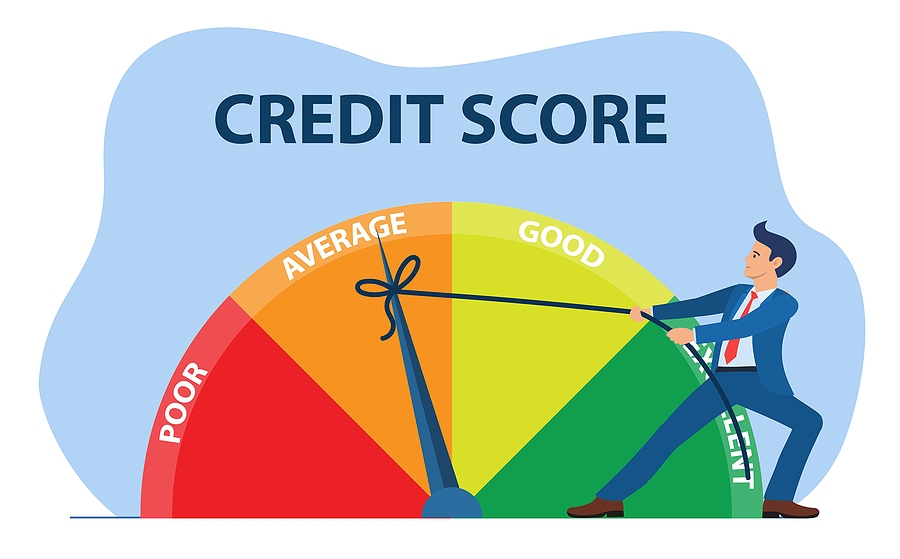
Credit score impact
When it comes to applying for a mortgage in Canada, one of the most important factors that lenders consider is your credit score. Your credit score can have a significant impact on the mortgage options available to you, including the interest rate you receive and the amount you can borrow. Therefore, understanding the importance of credit scores and how they can affect your mortgage application is crucial.
A credit score is a numerical representation of your creditworthiness and is calculated based on various factors, such as your payment history, debt-to-income ratio, and credit utilization. In Canada, credit scores typically range from 300 to 900, with a higher score indicating a lower credit risk. Lenders use this score to assess the likelihood of you repaying a loan, including a mortgage, on time.
Having a good credit score is essential as it demonstrates to lenders that you are a responsible borrower who is likely to make timely payments. On the other hand, a poor credit score can indicate a higher risk of defaulting on loan payments, making it harder to secure a mortgage or obtain favorable terms.
The impact of your credit score on your mortgage application can be summarized as follows:
- Interest rate: A higher credit score can help you secure a lower interest rate on your mortgage. Lenders typically offer better rates to borrowers with higher credit scores as they are considered less of a risk. Even a small difference in interest rate can have a significant impact on the overall cost of your mortgage over time.
- Borrowing amount: Your credit score can also affect the amount you can borrow. Lenders assess the risk associated with lending a larger amount to someone with a lower credit score. A higher credit score can increase your chances of being approved for a higher loan amount.
- Loan approval: In general, lenders are more likely to approve a mortgage application from someone with a higher credit score. A good credit score can help you meet the minimum requirements set by lenders and increase your chances of getting approved for a mortgage.
Credit score requirements
While there is no specific credit score requirement to qualify for a first mortgage in Canada, most lenders have their own guidelines and criteria. Generally, a credit score of 650 or higher is considered good and can help you qualify for a mortgage with competitive terms.
However, it's important to note that credit scores are just one factor in the mortgage approval process. Lenders also consider other factors, such as your income, employment history, and debt-to-income ratio. Even if you have a lower credit score, you may still be able to qualify for a mortgage if you have a stable income and meet the lender's other criteria.
It's recommended to check your credit score before applying for a mortgage. You can obtain your credit report from one of the major credit bureaus in Canada, such as Equifax or TransUnion. Reviewing your credit report will give you an idea of where you stand and allow you to identify any errors or issues that need to be resolved before applying for a mortgage.
Mortgage eligibility criteria
In addition to credit score requirements, lenders in Canada have several criteria that borrowers must meet to qualify for a mortgage. These criteria may vary depending on the lender and the type of mortgage you are applying for. Some common mortgage eligibility criteria include:
- Income verification: Lenders typically require borrowers to provide proof of income, such as pay stubs or tax returns, to ensure they have the financial means to make mortgage payments.
- Debt-to-income ratio: Lenders consider the borrower's debt-to-income ratio, which is the percentage of their monthly income that goes towards debt payments. A lower debt-to-income ratio is generally preferred by lenders.
- Down payment: Depending on the type of mortgage and the lender's requirements, borrowers may need to make a down payment. The minimum down payment in Canada is 5% for homes with a purchase price of up to $500,000. For homes with a purchase price above $500,000, the minimum down payment is 5% for the first $500,000 and 10% for the portion above $500,000.
- Property appraisal: Lenders may require a professional appraisal of the property to determine its value and ensure it meets their lending criteria.
- Other financial obligations: Private financing Lenders consider other financial obligations of the borrower, such as existing debts or financial commitments, to assess their ability to manage additional mortgage payments.
It's essential to understand the eligibility criteria of different lenders and mortgage options available to you. Consulting with a mortgage broker or financial advisor can help you navigate through this process and find the best mortgage solution based on your specific circumstances.
In conclusion, having a good credit score is crucial when applying for a mortgage in Canada. A higher credit score can increase your chances of getting approved for a mortgage, help you secure a lower interest rate, and potentially allow you to borrow a larger amount. While credit scores are significant, lenders also consider other factors when assessing mortgage applications. It's important to review your credit report, understand the eligibility criteria of lenders, and seek professional advice to ensure a smooth mortgage application process.