

Introduction
Knowing Search Engine Optimisation (SEO) is a strategic need in the ever-expanding digital world where online exposure is critical. Among all the different aspects of SEO, On-Page SEO stands out as being particularly important because it directly affects how well a website performs in search engine rankings. We set out to explain On-Page SEO in this extensive book, going over its importance, essential elements, best practices, and the potential for revolutionising your online presence.
Understanding On-Page SEO
A. The Essence of On-Page SEO
On-Page SEO refers to the optimization strategies and techniques implemented directly on a webpage to enhance its visibility and relevance for search engines. Unlike Off-Page SEO, which involves external factors like backlinks, On-Page SEO is within the webmaster's control, making it a foundational aspect of a robust SEO strategy.
B. Why On-Page SEO Matters
Enhanced Visibility: On-Page SEO plays a pivotal role in helping search engines understand the content and purpose of a webpage. Optimized pages are more likely to be prominently featured in search engine results, leading to increased visibility.
User Experience: Beyond search engines, On-Page SEO is intricately linked to user experience. Well-optimized pages offer a seamless and informative experience for visitors, contributing to lower bounce rates and increased engagement.
Keyword Relevance: On-Page SEO allows for strategic integration of keywords, aligning the content with the search queries of users. This relevance is a crucial factor in search engine algorithms, influencing ranking positions.
Key Components of On-Page SEO
A. Content Optimization
Keyword Research: The foundation of On-Page SEO lies in comprehensive keyword research. Identifying relevant keywords and strategically incorporating them into content is essential for search engine recognition.
Quality Content: Search engines prioritize high-quality, informative, and engaging content. Crafting content that fulfills user intent and provides value positions your page favorably in search results.
Header Tags: Proper use of header tags (H1, H2, H3, etc.) structures content, making it easier for both users and search engines to understand the hierarchy and importance of information.
B. HTML Elements
Title Tags: Crafting compelling and keyword-rich title tags is crucial. Click-through rates are greatly impacted by these tags, which show up in search results as clickable headlines.
Meta Descriptions: While not a direct ranking factor, meta descriptions provide a concise summary of a page's content, influencing user click-through decisions.
URL Structure: Clean and descriptive URLs enhance both user experience and search engine crawlability. Avoiding complex, convoluted URLs is advisable.
C. Technical Optimization
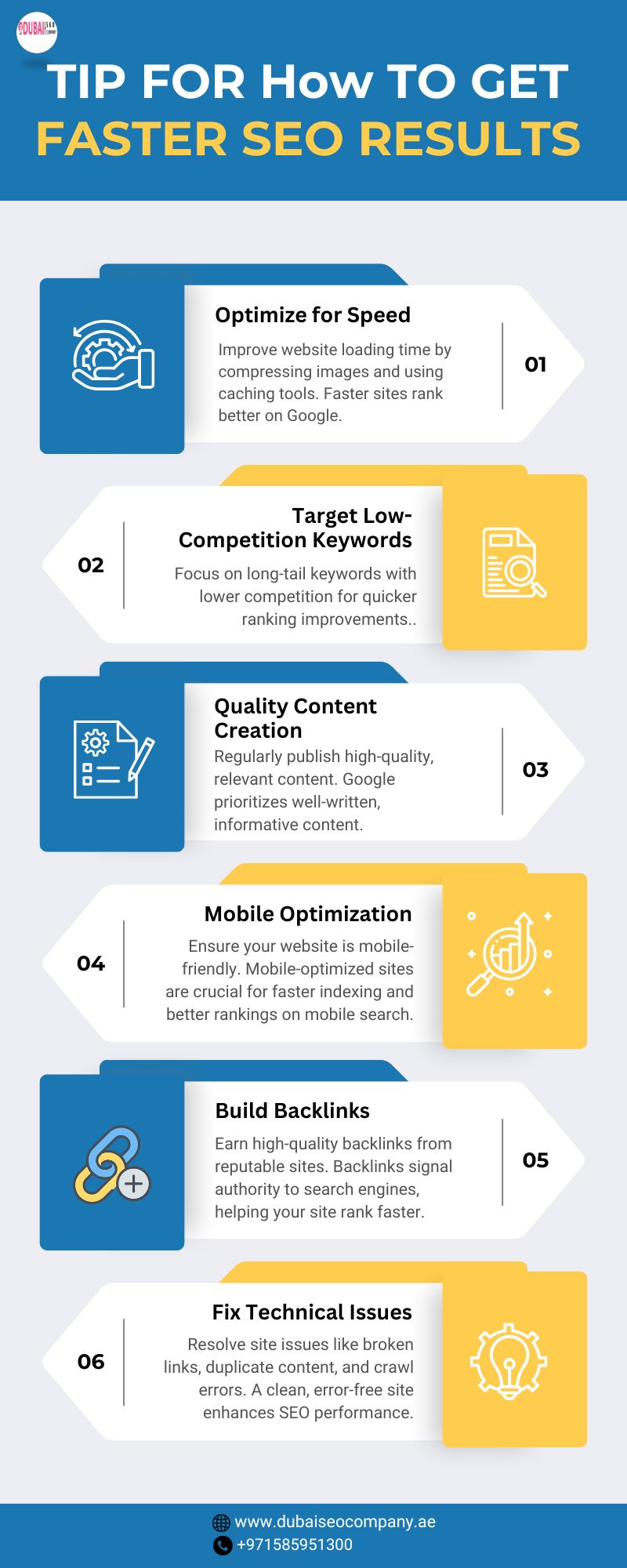
Page Speed: Search engines favor fast-loading pages, considering user experience a top priority. Optimizing images, utilizing browser caching, and employing Content Delivery Networks (CDNs) contribute to improved page speed.
Mobile-Friendliness: With the rise of mobile users, having a responsive design that adapts to various devices is imperative. Google prioritizes mobile-friendly pages in its indexing and ranking.
Schema Markup: Implementing schema markup provides search engines with additional context about the content on a page, potentially leading to rich snippets in search results.
D. User Experience and Engagement
Internal Linking: Strategically linking to other relevant pages within your website enhances navigation and distributes link equity, contributing to a more robust SEO structure.
Readability: Ensuring that content is readable and easily digestible improves user experience. Use bullet points, subheadings, and short paragraphs to break up your text.
Multimedia Integration: Including images, videos, and other multimedia elements not only enriches content but also contributes to a more engaging user experience.
Best Practices for On-Page SEO
A. Regular Content Updates
Keeping content fresh and updated signals to search engines that a website is active and relevant. Periodic updates, additions, or revisions demonstrate a commitment to providing current and valuable information.
B. Monitoring Analytics
Regularly monitoring website analytics provides insights into user behavior, popular content, and areas for improvement. Utilizing tools like Google Analytics helps refine On-Page SEO strategies based on real data.
C. Social Media Integration
While not a direct ranking factor, social signals (engagement on social media platforms) can indirectly impact search rankings. Sharing content on social media channels contributes to increased visibility and potential backlinks.
Conclusion:
Mastering On-Page SEO is an ongoing journey that requires a deep understanding of search engine algorithms, user behavior, and evolving industry trends. By prioritizing content quality, technical optimization, and user experience, webmasters can position their websites for success in the competitive digital landscape. On-Page SEO isn't just about appeasing search engines; it's about creating a seamless and valuable experience for users, ultimately leading to sustained online visibility and success. As you embark on your On-Page SEO journey, remember that the digital realm is dynamic, and staying informed and adaptive is key to unlocking the full potential of your online presence. SEO cost in India is determined by a number of factors, and it's important to understand that prices might change depending on the particular needs of each project and the level of experience of the service provider.