






Modern ecommerce depends on real-time data exchange between multiple systems—payments, inventory, logistics, personalization, and analytics—all working in perfect synchronization. APIs make this level of coordination possible at scale.
For brands looking to scale globally, investing in ecommerce website development services built on an API-first architecture is now a strategic necessity rather than a technical upgrade.
In this guide, we will break down how APIs power modern ecommerce experiences, explore real-world examples, and explain why API-first architecture has become the foundation of scalable digital commerce.

What Is an API? (Explained for E-commerce)
An API (Application Programming Interface) is a set of rules that allows one software system to communicate with another.
In e-commerce terms, APIs act like digital messengers:
- The frontend (website or app) asks for data
- The backend or third-party service responds
- The API defines how this request and response happen securely and efficiently
A Simple E-commerce Example
When a customer opens a product page:
- The frontend sends a request via an API
- The backend retrieves product details from the database
- The API returns the product name, price, images, stock status, and offers
- The page renders instantly for the user
- All of this happens in milliseconds.
Why APIs Matter More in E-commerce Than Ever Before
E-commerce is uniquely dependent on real-time data:
- Prices change dynamically
- Inventory fluctuates across warehouses
- Payments must be secure and instant
- Customers expect personalization everywhere
Unlike static websites, e-commerce platforms must constantly talk to multiple systems at once payments, shipping, CRM, analytics, marketing tools, and more. APIs make this possible.
The Evolution of Ecommerce Architecture: From Monoliths to API-First

Traditional Monolithic E-commerce Platforms
Older ecommerce platforms were built as monolithic systems, where:
- Frontend, backend, and database were tightly coupled
- Any change required redeploying the entire system
- Scaling during traffic spikes was difficult
This architecture worked when e-commerce was simpler, but it fails under modern demands.
Headless & Composable Commerce
Modern ecommerce has shifted to API-first and headless architectures, where:
- Frontend is decoupled from backend
- APIs deliver data to multiple touchpoints
- Businesses can choose best-in-class tools for each function
This approach enables speed, flexibility, and innovation.
Core Ecommerce APIs That Power Modern Shopping Experiences
Product Catalog & Search APIs

These APIs deliver:
- Product names, descriptions, attributes, variants
- Categories and collections
- Search results and filters
Real-World Example:
Amazon-like instant product loading and filtering is powered by high-performance catalog and search APIs, often using tools like Algolia or Elasticsearch to deliver results in milliseconds.
Pricing & Promotion APIs
Pricing APIs manage:
- Dynamic pricing
- Discount rules
- Coupons and flash sales
- Region-based pricing
Real-World Example:
During Black Friday, Shopify-powered stores use pricing APIs to update discounts globally without slowing down checkout or crashing servers.
Inventory & Order Management APIs
These APIs ensure:
- Real-time stock updates
- Accurate order fulfillment
- Multi-warehouse synchronization
Real-World Example:
Zara uses centralized inventory APIs to sync online and offline stock, enabling features like “buy online, pick up in store” (BOPIS).
Payment Gateway APIs
Payment APIs handle:
- Secure transactions
- Multiple currencies
- Local payment methods
- Fraud prevention
Real-World Example:
Stripe APIs allow e-commerce brands to accept payments in over 135 currencies while handling PCI compliance and fraud checks in the background.
Shipping & Logistics APIs
Shipping APIs provide:
- Real-time shipping rates
- Carrier selection
- Order tracking updates
Real-World Example:
Amazon and large D2C brands integrate FedEx, UPS, DHL, or Shiprocket APIs to show accurate delivery timelines at checkout.
Customer & Authentication APIs
These APIs manage:
- User registration and login
- Customer profiles and addresses
- Cross-device identity
Real-World Example:
“Login with Google or Apple” simplifies account creation while securely syncing customer data across platforms.
Personalization & Recommendation APIs
Personalization APIs analyze:
- Browsing behavior
- Purchase history
- Preferences
Real-World Example:
Netflix-style recommendation engines adapted for e-commerce suggest products based on user behavior, increasing average order value and conversions.
How APIs Enable Omnichannel E-commerce
Modern customers interact with brands across:
- Websites
- Mobile apps
- Marketplaces
- Physical stores
APIs enable a single backend to power multiple frontends.
Real Brand Example: Nike
Nike’s ecommerce ecosystem uses APIs to:
- Sync customer profiles across apps and stores
- Enable seamless loyalty rewards
- Deliver consistent pricing and inventory everywhere
APIs and Performance: Speed, Scalability & UX
Faster Page Loads
API-driven frontends using frameworks like Next.js fetch only required data, improving:
- Largest Contentful Paint (LCP)
- Interaction to Next Paint (INP)
Handling Traffic Spikes
During flash sales, APIs combined with cloud auto-scaling prevent crashes and downtime.
SEO Impact
Better performance directly improves:
- Core Web Vitals
- Crawl efficiency
- Conversion rates
Security & Compliance in API-Powered Ecommerce
Secure Authentication
APIs use OAuth tokens and encrypted keys to prevent unauthorized access.
Compliance
Payment and customer data APIs support:
- PCI-DSS
- GDPR
- Data localization requirements
Fraud Detection APIs
Tools like Stripe Radar and Adyen analyze transactions in real time to prevent fraud without adding friction for legitimate buyers.
A Real-World E-commerce API Stack Example
A modern e-commerce stack might include:
- Frontend: Next.js / React
- Commerce Engine: Shopify, Magento, or CommerceTools
- Payments: Stripe
- Search: Algolia
- Analytics: GA4, Segment
- CMS: Headless CMS via APIs
How Data Flows
User action → Frontend request → API calls → Backend processing → Response rendered instantly
Common API Challenges (And How to Solve Them)
- Latency: Use caching and CDNs
- Versioning: Maintain backward compatibility
- Rate Limits: Optimize requests and batching
- Monitoring: Implement logging and error tracking
How to Choose the Right APIs for Your E-commerce Business
Key evaluation criteria:
- Scalability and uptime
- Documentation quality
- Ecosystem and integrations
- Long-term cost structure
Build vs Buy
- Build APIs for core business logic
- Buy APIs for payments, search, logistics, and analytics
The Future of API-Driven E-commerce
- Emerging trends include:
- AI-powered recommendation APIs
- Voice commerce integrations
- Event-driven real-time commerce
- GraphQL-based ecommerce APIs
APIs will continue to be the foundation of innovation.
APIs Are the Invisible Engine of Modern E-commerce
Every fast checkout, real-time inventory update, and personalized shopping experience discussed in this guide is powered by APIs working silently in the background.
Businesses planning long-term growth should partner with an experienced team offering custom ecommerce development focused on performance, scalability, and secure API integrations.
As ecommerce continues to evolve toward composable, AI-driven, and omnichannel models, an API-first foundation will remain the key differentiator between brands that scale smoothly and those that struggle to adapt.



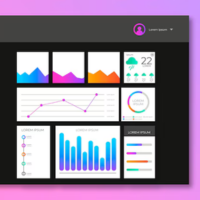

For every eCommerce business, it’s vitally important to keep track of customer relationships.
Once your business reaches a certain size, that task becomes virtually impossible without a professional ecommerce crm solution.