

Introduction to BFS and DFS
In the realm of algorithms, Breadth-First Search (BFS) and Depth-First Search (DFS) stand as pillars, each with its unique approach. Understanding their nuances is crucial for developers and computer scientists aiming for efficient problem-solving.
In this piece, we'll be able to understand the difference between BFS and DFS and then dive into the algorithms involved, shining the light on their distinct features in the application, as well as their real-world significance.
Understanding BFS: Basics and Logic
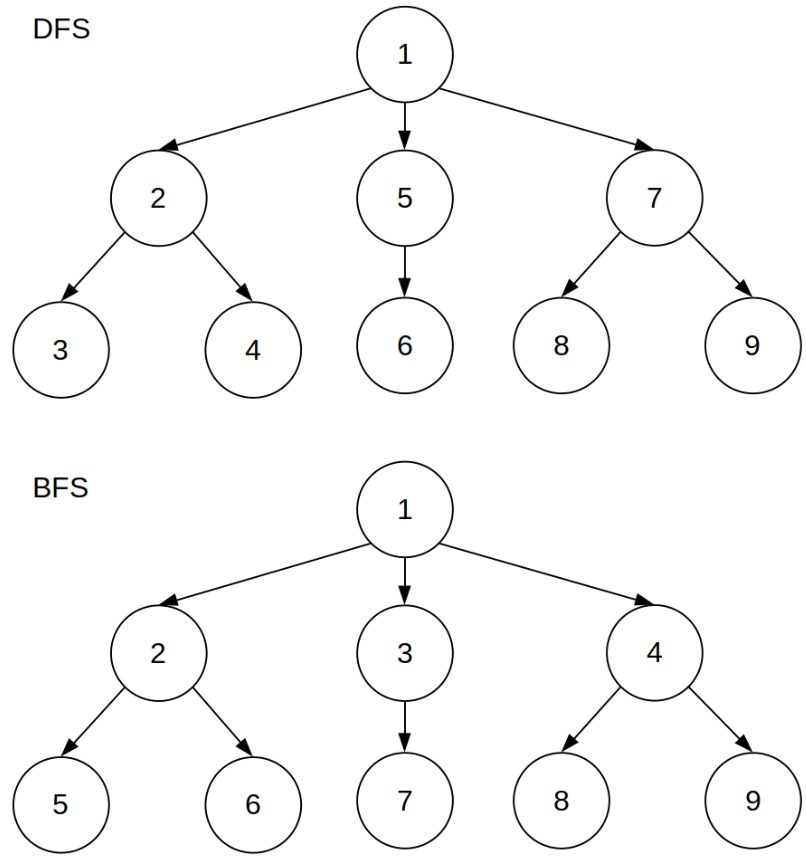
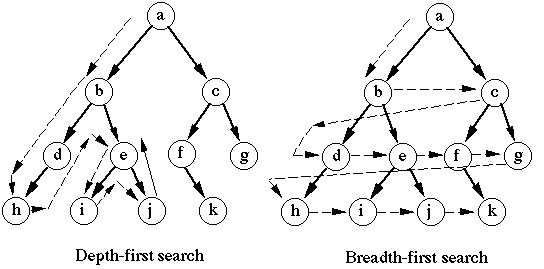
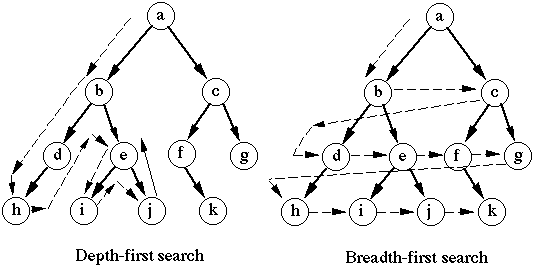
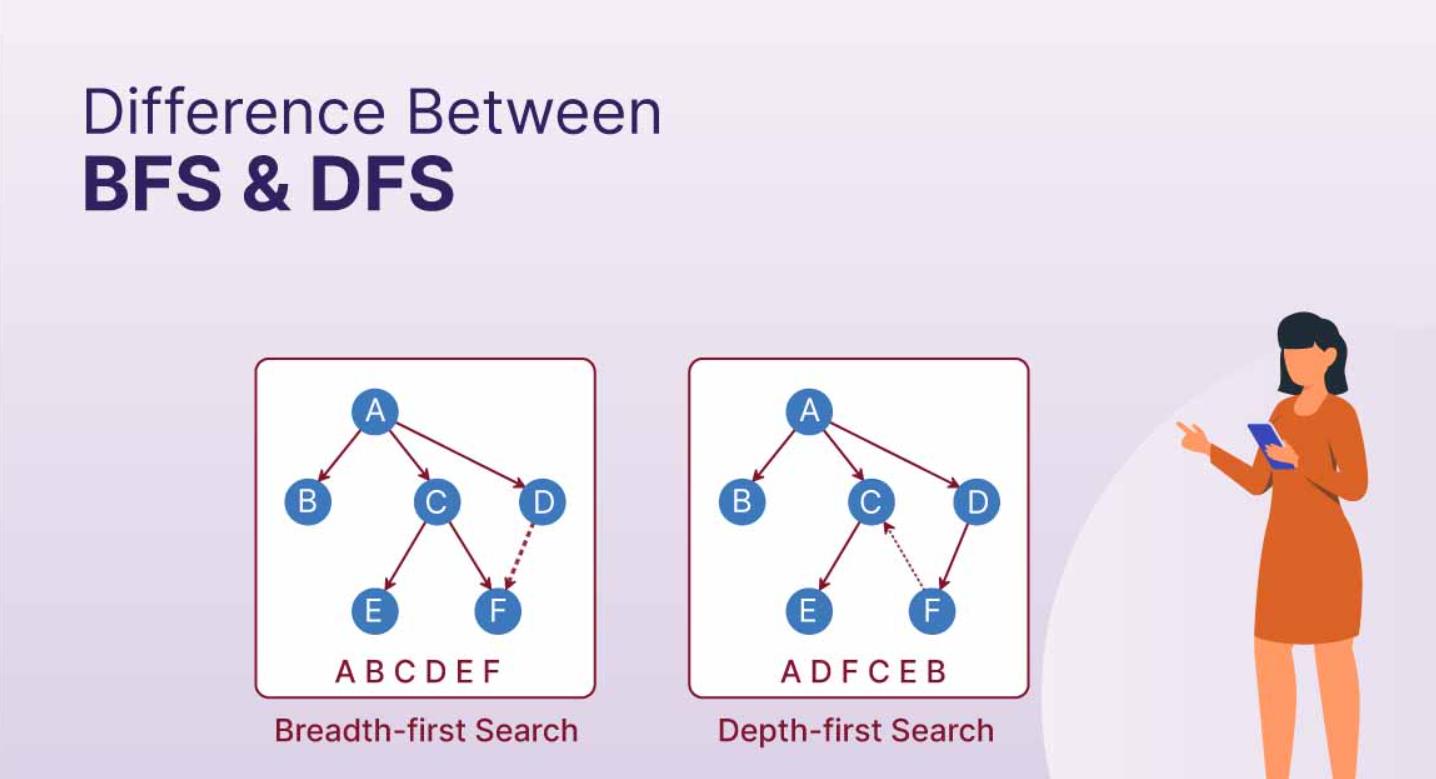
BFS explores a graph level by level, unraveling its layers like peeling an onion. It starts from the root node and traverses all its neighbors before moving to the next level. The logic behind BFS ensures the shortest path is discovered first, making it ideal for scenarios requiring optimal solutions.
DFS Unveiled: Depth-First Approach
On the flip side, DFS takes a plunge into the depth of a graph. It delves as far as possible along one branch before backtracking. This approach, while not guaranteeing the shortest path, is adept at exploring deep structures, making it valuable for certain scenarios.
Key Differences Between BFS and DFS
Distinguishing between BFS and DFS lies in their strategies. BFS prioritizes breadth, while DFS plunges into depth. Choosing between them depends on the nature of the problem at hand.
Advantages of Breadth-First Search
BFS boasts advantages such as guaranteeing the shortest path and suitability for scenarios where equal priority is given to all neighbors. Its simplicity and efficiency make it a preferred choice in scenarios like social network connectivity.
Pros and Cons of Depth-First Search
DFS, with its deep exploration strategy, excels in certain scenarios but comes with drawbacks. While it may not guarantee the shortest path, DFS shines in tasks like topological sorting and solving mazes.
Real-World Applications of BFS
BFS finds practical applications beyond computer science. From network routing to social network analysis, its versatility makes it a valuable algorithm in various domains.
Use Cases for DFS Algorithm
DFS, with its depth-first exploration, finds a home in tasks like solving puzzles, analyzing game trees, and even detecting cycles in graphs. Its adaptability makes it a powerful tool in specific problem domains.
Optimizing BFS for Efficiency
To harness the full potential of BFS, optimization is key. Efficient data structures like queues and adjacency lists can significantly enhance the algorithm's performance, making it a robust choice in diverse applications.
Challenges and Limitations of DFS
While DFS proves its mettle in specific scenarios, it comes with challenges. The lack of guarantee for the shortest path and susceptibility to infinite loops necessitate careful consideration when applying DFS.
Scenarios Where BFS is Preferable
Choosing between BFS and DFS depends on the problem's nature. BFS shines in scenarios where finding the shortest path is paramount, making it suitable for applications like GPS navigation and network routing.
DFS in Problem-Solving: A Closer Look
Delving deeper into DFS reveals its prowess in problem-solving. From maze-solving to identifying connected components in a graph, DFS showcases its versatility and adaptability.
BFS and DFS in Graph Theory
Graph theory, the backbone of these algorithms, benefits from the distinctive approaches of BFS and DFS. Understanding their roles in graph traversal is fundamental to mastering this branch of mathematics and computer science.
Choosing the Right Algorithm
In the grand landscape of algorithms, the choice between BFS and DFS depends on the problem's intricacies. Evaluating factors like path requirements and graph structure aids in making an informed decision.
Conclusion: Making the Decision
The journey through the Difference Between BFS and DFS algorithms unveils their unique strengths and applications. As algorithmic navigators, BFS and DFS empower problem-solvers to chart optimal courses in diverse scenarios.
FAQs
Q: Can BFS guarantee the shortest path in all scenarios?
- BFS ensures the shortest path in scenarios where equal priority is given to all neighbors. However, it may not hold in situations where specific criteria affect path selection.
Q: Does DFS always explore all paths in a graph?
- DFS explores all paths in a graph, but the order of exploration may vary. It delves as deep as possible before backtracking, making it efficient for specific problem domains.
Q: Which algorithm is more suitable for network routing?
- BFS is often preferred for network routing, thanks to its ability to find the shortest path efficiently. This ensures optimal data transmission in network scenarios.
Q: Can DFS be used in solving mazes?
- Yes, DFS is commonly employed in solving mazes. Its depth-first exploration aligns well with the nature of maze structures, making it an effective tool for pathfinding.
Q: Are there scenarios where BFS and DFS overlap in suitability?
- While BFS and DFS have distinct strategies, there are scenarios where either algorithm could be applied. The key lies in understanding the problem's requirements and choosing the most fitting approach.
Q: How do BFS and DFS contribute to graph theory?
- BFS and DFS serve as fundamental tools in graph theory. They enable the exploration and analysis of graph structures, forming the basis for various graph-related algorithms and applications.
VISIT ALSO: What is Red-Black Tree: Your Guide to a Balanced Data Structure
Conclusion
Navigating the Difference Between BFS and DFS provides a compass for algorithmic journeys. Whether prioritizing breadth or diving deep, understanding these algorithms empowers decision-makers in the vast landscape of computational problem-solving.