Introduction:
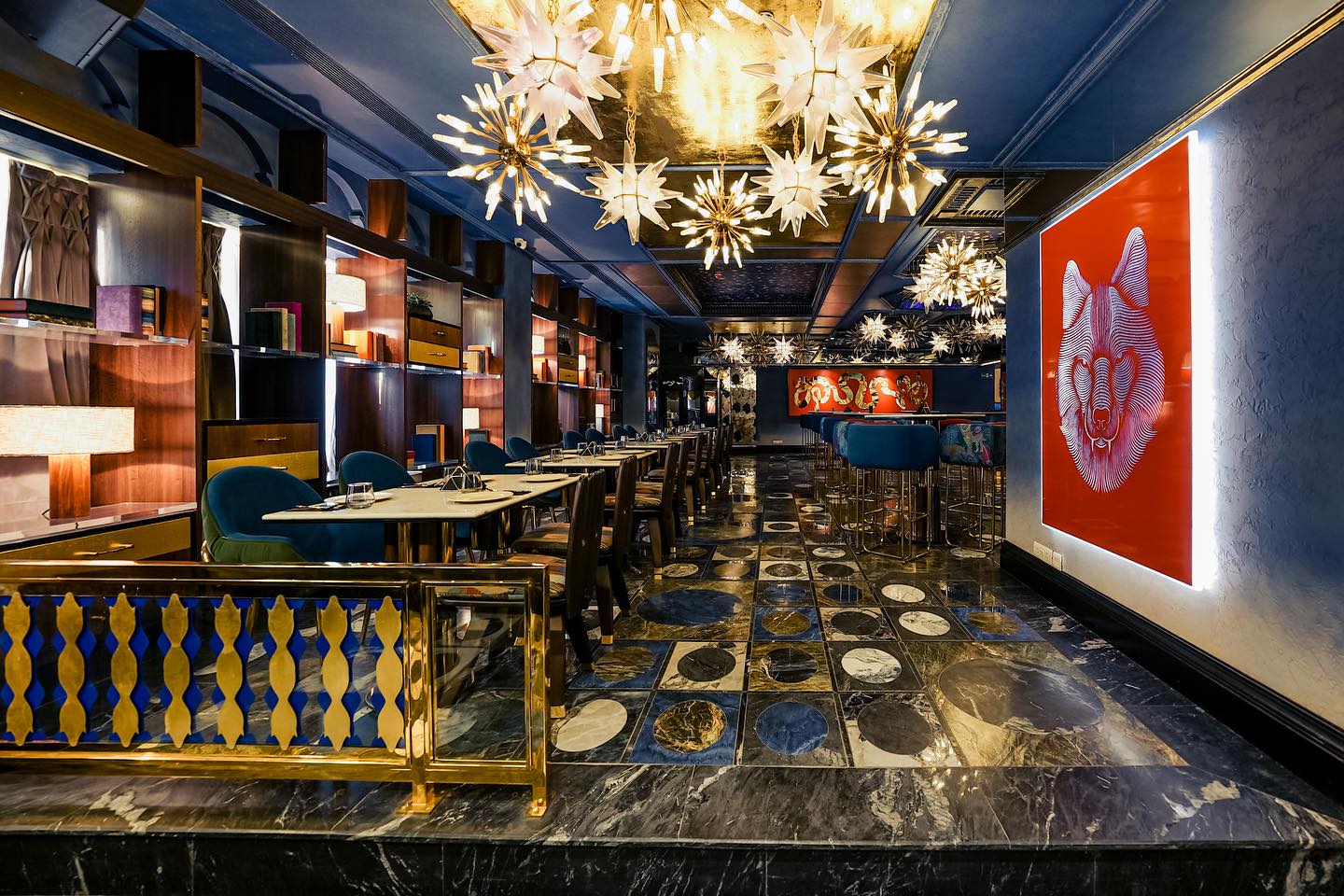
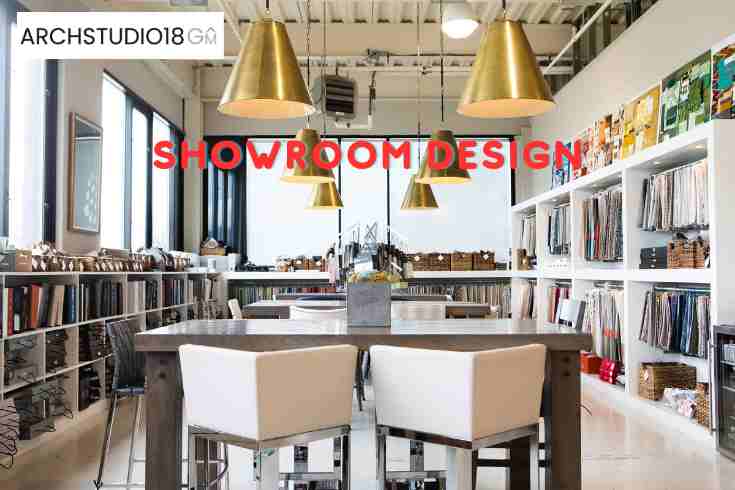
Showroom interior design is a crucial aspect of creating a captivating and immersive retail experience. A well-designed showroom not only showcases products but also tells a story, creates an atmosphere, and engages customers on a deeper level. In this article, we will explore the art of showroom design and present innovative showroom design ideas to elevate retail spaces.
The Purpose of Showroom Interior Design:
The primary goal of showroom interior design is to enhance the overall shopping experience for customers. Unlike traditional retail spaces, showrooms focus on presenting products in an aesthetically pleasing and functional manner. The design elements should align with the brand identity, creating a cohesive and memorable impression on visitors.
Key Elements of Showroom Interior Design:
1. Layout and Spatial Arrangement:
The layout of a showroom plays a pivotal role in guiding customers through a visually appealing journey. Designers often experiment with open layouts to create an airy and welcoming atmosphere. Additionally, strategic placement of product displays, interactive zones, and focal points contributes to a seamless flow within the space.
2. Lighting:
Lighting is a powerful tool in showroom design. Incorporating a mix of ambient, accent, and task lighting can highlight specific products, create mood, and add a touch of drama to the overall ambiance. Smart and adjustable lighting systems allow for versatility in showcasing different products.
3. Color Palette:
The choice of colors sets the tone for the showroom. Neutral tones can create a sophisticated and timeless feel, while bold and vibrant colors can add energy and excitement. Harmonizing the color palette with the brand identity helps reinforce brand recognition.
4. Furniture and Fixtures:
Thoughtfully selected furniture and fixtures contribute to the functionality and aesthetics of the showroom. Modular and versatile furniture allows for flexibility in arranging the space, and unique fixtures can serve as focal points, drawing attention to specific products.
5. Branding and Signage:
Integrating brand elements seamlessly into the design reinforces brand identity. Custom signage, logo placements, and branded graphics contribute to a cohesive and memorable brand experience.
Showroom Design Ideas:
1. Interactive Displays:
Implementing interactive displays enhances customer engagement. Touchscreens, virtual reality, or augmented reality elements can provide additional product information, styling tips, or even virtual try-on experiences.
2. Green Spaces and Biophilic Design:
Integrating greenery and natural elements into the showroom design creates a refreshing and calming environment. Biophilic design fosters a connection with nature, contributing to a positive and immersive customer experience.
3. Themed Zones:
Dividing the showroom into themed zones based on product categories or lifestyle concepts helps create a curated experience. Each zone can have its own unique ambiance, allowing customers to explore various facets of the brand.
4. Minimalistic Aesthetics:
Embracing a minimalist showroom design approach can create a sleek and sophisticated atmosphere. Clutter-free spaces with a focus on essential elements allow products to take center stage, promoting a sense of exclusivity.
5. Technology Integration:
Incorporating cutting-edge technology, such as smart mirrors or RFID technology, can elevate the showroom experience. These innovations enhance interactivity, streamline the shopping process, and provide customers with a memorable and futuristic experience.
Conclusion:
Showroom interior design is an evolving field that continuously pushes the boundaries of creativity and innovation. By focusing on layout, lighting, color, furniture, and branding, designers can create showrooms that not only showcase products but also tell a compelling story and engage customers on a deeper level. Implementing unique and immersive showroom design ideas ensures that retail spaces remain dynamic, inviting, and relevant in an ever-changing market.

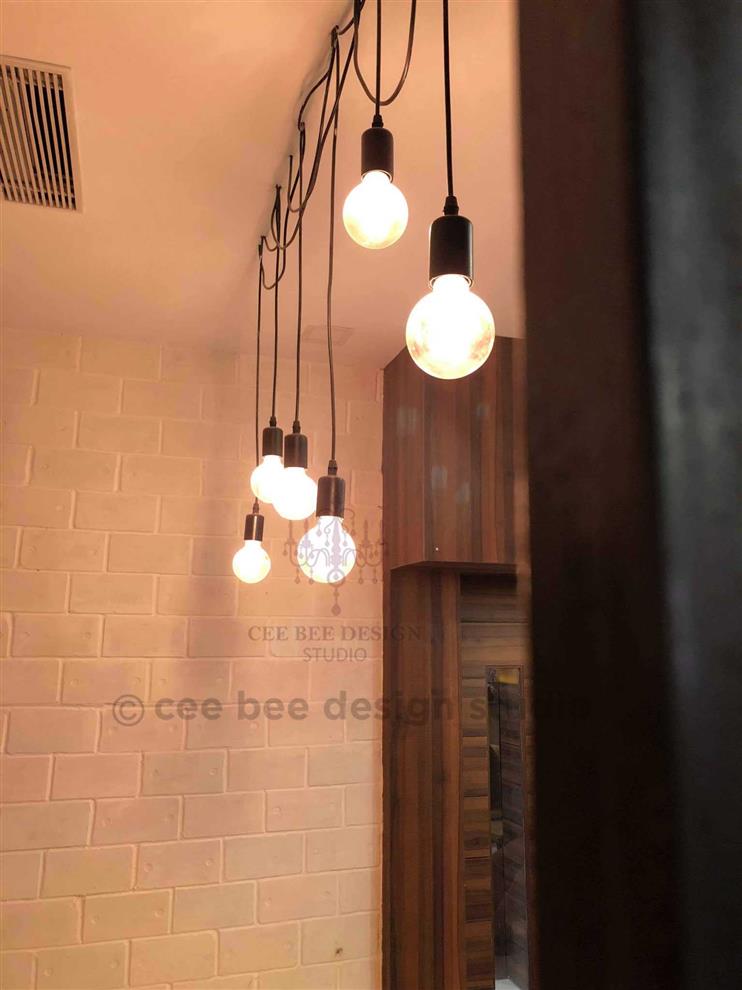
A showroom is retail store of a company in which products are on sale in a space created by their brand or company.
Typically having a large display space, a showroom is designed to enhance the product’s and company’s brand image.You can visit TFOD for excellent design for Road Transport.
For details email us at support@tfod.in