Hinduism is one of the oldest and most diverse religions in the world, with a rich tapestry of myths, rituals, and beliefs. At the heart of Hinduism are its deities, the gods and goddesses who represent various aspects of the divine. These deities are worshipped in temples, homes, and through elaborate ceremonies. In this exploration, we will delve into the multifaceted world of Hindu gods, aiming to provide a comprehensive understanding of their significance in the vast pantheon.
Brahma: The Creator
Brahma is often regarded as the creator of the universe in Hindu mythology. He is depicted with four heads, each facing a cardinal direction, symbolizing his all-encompassing awareness. However, despite his cosmic role, Brahma is not as widely worshipped as other deities. There are fewer temples dedicated to him, and his presence in Hindu mythology is more symbolic than in day-to-day religious practices.
Vishnu: The Preserver
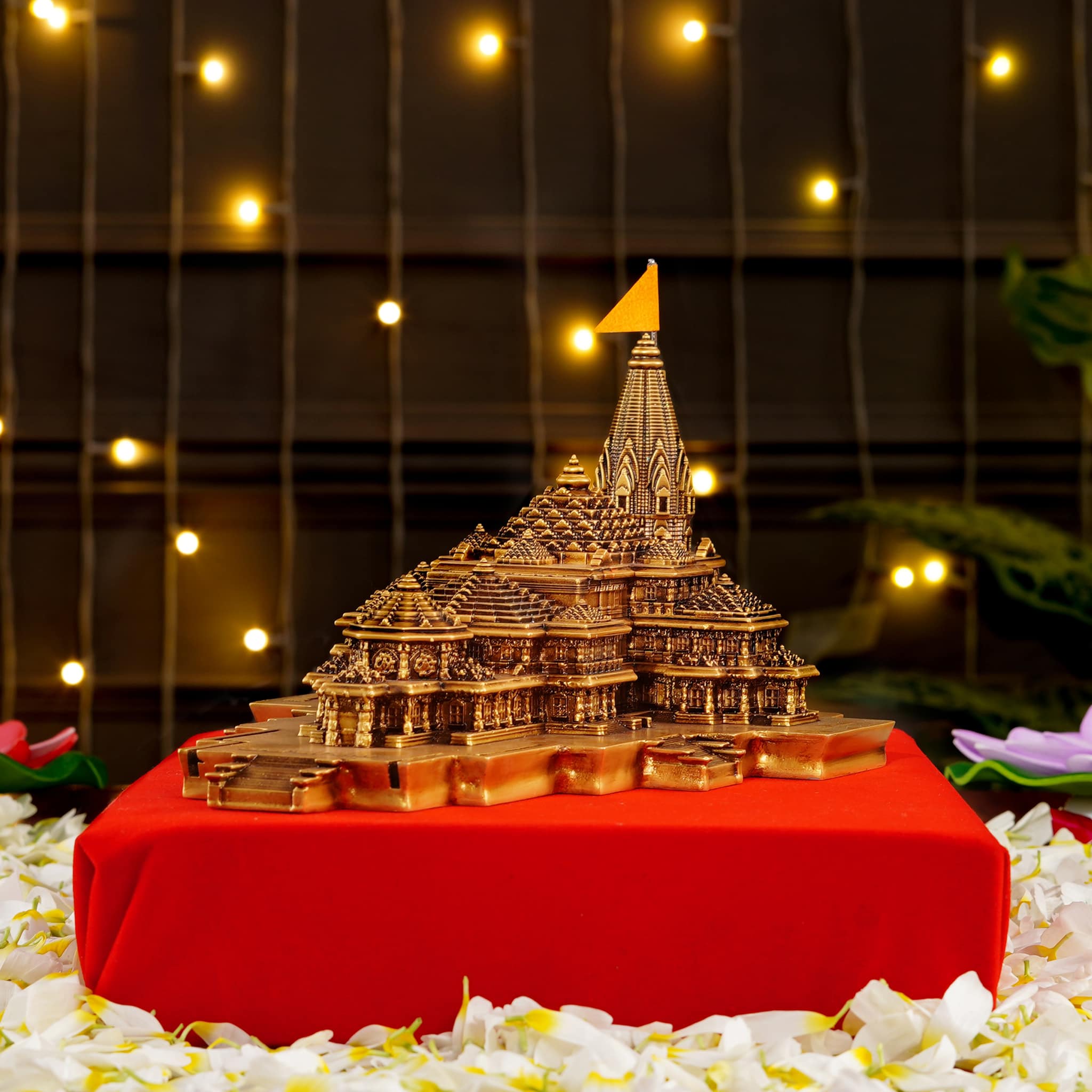
Vishnu is a central figure in Hinduism, revered as the preserver of the universe. He is often depicted with blue skin and four arms, holding a conch shell, a discus, a mace, and a lotus flower. According to Hindu mythology, Vishnu incarnates in various forms, known as avatars, to maintain cosmic order. The most famous of these avatars is Lord Rama and Lord Krishna. Temples dedicated to Vishnu, such as the iconic Angkor Wat in Cambodia, attract millions of devotees.
Shiva: The Destroyer
Shiva is one of the most complex and enigmatic deities in Hinduism. As the god of destruction and transformation, Shiva plays a crucial role in the cycle of creation, preservation, and dissolution. He is often depicted in a meditative pose, with a third eye on his forehead, symbolizing insight and wisdom. Shiva's consort, Parvati, and their children, Ganesha and Kartikeya, are also significant figures in Hindu mythology. The worship of Shiva is widespread, and his devotees engage in rituals like the Maha Shivaratri to seek his blessings.
Lakshmi: The Goddess of Wealth
Lakshmi is the goddess of wealth, prosperity, and fortune. She is often depicted with four arms, holding lotus flowers and showering blessings on her devotees. Lakshmi is worshipped during the festival of Diwali, where Hindus seek her blessings for wealth and success. Her association with Vishnu highlights the inseparable connection between wealth and the preservation of cosmic order in Hindu philosophy.
Saraswati: The Goddess of Knowledge
Saraswati is the goddess of wisdom, learning, and the arts. She is often depicted playing the veena, a musical instrument, and riding a swan, symbolizing discernment and purity. Saraswati is revered by students, scholars, and artists, with devotees seeking her blessings for success in education and creative endeavors. The festival of Vasant Panchami is dedicated to her worship.
Ganesha: The Elephant-Headed God
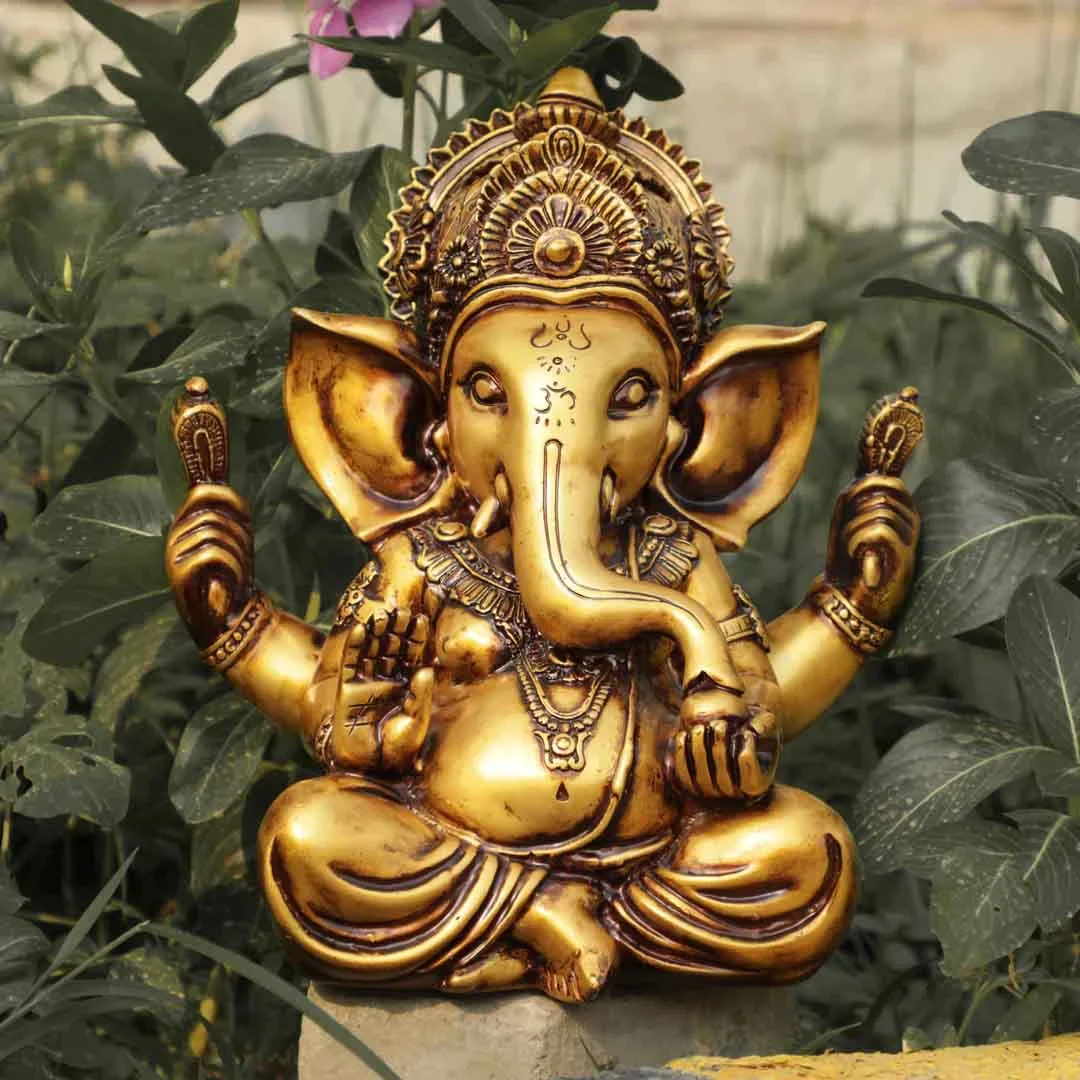
Ganesha, with his elephant head and potbelly, is one of the most beloved deities in Hinduism. He is known as the remover of obstacles and the god of beginnings. Ganesha's popularity extends beyond religious boundaries, with people seeking his blessings before commencing new ventures or endeavors. His iconic image is easily recognizable, making him a widely worshipped and cherished deity.
Hanuman: The Monkey God
Hanuman is a devoted disciple of Lord Rama and a central character in the Indian epic, Ramayana. He is revered for his unwavering devotion, strength, and loyalty. Hanuman is often depicted as a monkey god, symbolizing humility and selfless service. His stories and hymns, especially in the form of the Hanuman Chalisa, are recited by millions of devotees seeking courage and strength.
Durga: The Warrior Goddess
Durga is a fierce and powerful goddess, often depicted riding a lion and wielding various weapons. She is a symbol of feminine energy and the divine mother. Durga is worshipped during the festival of Navaratri, where her triumph over the buffalo demon Mahishasura is celebrated. Devotees seek her blessings for protection and strength in facing life's challenges.
Kali: The Dark Goddess
Kali is a fierce and often terrifying goddess associated with destruction and chaos. Despite her fearsome appearance, Kali is also a symbol of motherly love and protection. She is often depicted with a necklace of skulls, representing the cycles of birth and death. Kali is worshipped by those seeking liberation from the material world and the destruction of ego.
Krishna: The Divine Playmaker
Lord Krishna is a central figure in Hinduism, revered for his role in the epic Mahabharata and the Bhagavad Gita, a sacred text that captures his teachings on duty and righteousness. Krishna is often depicted as a charming and playful young man, playing the flute and surrounded by devotees. His divine love story with Radha and his exploits as a child, known as Krishna Leela, are popular themes in Hindu art and literature.
In conclusion, the Hindu pantheon is incredibly diverse, with each deity representing different facets of the divine. The worship of these gods and goddesses is a dynamic and integral part of Hindu culture, shaping the spiritual lives of millions of people. The stories, rituals, and festivals associated with these deities provide a profound understanding of the intricate tapestry of Hinduism, showcasing its deep philosophical roots and cultural richness.