Introduction:
In the fast-paced world of technology, businesses face the perpetual challenge of keeping up with the latest advancements while simultaneously managing costs and resources. IT outsourcing has emerged as a strategic solution for organizations seeking to streamline operations, access specialized expertise, and drive innovation. This article explores the dynamics of IT outsourcing, its benefits, challenges, and best practices for maximizing its potential.
Understanding IT Outsourcing:
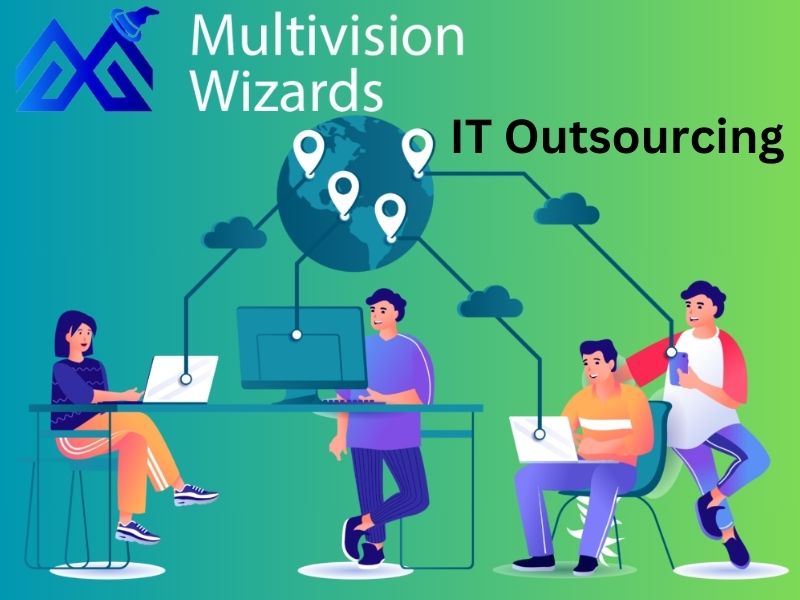
IT outsourcing involves delegating specific IT functions or processes to external service providers. These functions may include software development, infrastructure management, cybersecurity, helpdesk support, and more. Organizations opt for outsourcing to capitalize on various advantages such as:
1. **Cost Efficiency**: Outsourcing allows businesses to reduce operational costs by leveraging the economies of scale offered by service providers. Companies can avoid hefty investments in infrastructure, staffing, and training by outsourcing to providers who specialize in delivering cost-effective solutions.
2. **Access to Specialized Skills**: Outsourcing provides access to a vast talent pool with specialized skills and expertise. Service providers often employ professionals with diverse technical backgrounds, allowing businesses to benefit from cutting-edge technologies and industry best practices.
3. **Focus on Core Competencies**: By outsourcing routine IT tasks, organizations can focus their internal resources on core competencies and strategic initiatives. This enables companies to enhance productivity, drive innovation, and maintain a competitive edge in the market.
The Evolution of IT Outsourcing:
Over the years, the landscape of IT outsourcing has evolved significantly, driven by advancements in technology, changes in market dynamics, and shifting consumer preferences. Some notable trends shaping the evolution of IT outsourcing include:
1. **Cloud Computing**: The advent of cloud computing has revolutionized IT outsourcing, offering scalable and flexible solutions for storage, computing, and software delivery. Cloud-based outsourcing enables businesses to rapidly deploy applications, improve accessibility, and optimize resource utilization.
2. **Digital Transformation**: As organizations embrace digital transformation initiatives, there is a growing demand for outsourcing partners who can facilitate the adoption of emerging technologies such as artificial intelligence, machine learning, and Internet of Things (IoT). Outsourcing providers play a pivotal role in driving digital innovation and enhancing business agility.
3. **Strategic Partnerships**: Rather than viewing outsourcing as a transactional arrangement, businesses are increasingly forming strategic partnerships with service providers. These partnerships are built on mutual trust, collaboration, and shared objectives, enabling both parties to achieve long-term success and sustainable growth.
Key Considerations for Successful IT Outsourcing:
While IT outsourcing offers compelling benefits, it also presents certain challenges and risks that organizations must address proactively. To ensure successful outsourcing engagements, businesses should consider the following key factors:
1. **Clear Objectives and Expectations**: Before embarking on an outsourcing initiative, organizations should define clear objectives, scope, and performance metrics. Establishing transparent communication channels and managing expectations effectively is essential for building trust and alignment between stakeholders.
2. **Vendor Selection Criteria**: Choosing the right outsourcing partner is critical to the success of IT initiatives. Businesses should evaluate potential vendors based on their technical capabilities, domain expertise, track record, and cultural fit. Conducting thorough due diligence and soliciting references can help mitigate risks associated with vendor selection.
3. **Governance and Risk Management**: Implementing robust governance frameworks and risk management processes is imperative for mitigating operational, security, and compliance risks associated with outsourcing. Organizations should establish service-level agreements (SLAs), security protocols, and contingency plans to address potential disruptions and ensure continuity of operations.
4. **Continuous Performance Monitoring**: Monitoring and evaluating the performance of outsourcing partners is essential for maintaining service quality, driving continuous improvement, and fostering accountability. Leveraging analytics, dashboards, and regular performance reviews can help identify areas for optimization and drive value realization.
Conclusion:
In conclusion, IT outsourcing continues to play a pivotal role in shaping the digital landscape, enabling organizations to enhance efficiency, foster innovation, and accelerate growth. By embracing outsourcing as a strategic enabler, businesses can capitalize on external expertise, access cutting-edge technologies, and navigate the complexities of the digital age with confidence. However, successful outsourcing requires careful planning, execution, and collaboration between stakeholders to unlock its full potential and drive sustainable value creation in today's dynamic business environment.