Ensuring Patient Safety: The Vital Role of Drug Testing in Healthcare Facilities
Welcome to our comprehensive guide on the crucial role of drug testing in healthcare facilities. In this article, we will explore the importance of drug testing, the various patient safety measures that rely on this practice, and the regulatory guidelines healthcare facilities must adhere to. Whether you are a healthcare provider, work in a healthcare facility, or are simply interested in drug testing, this article will provide you with valuable insights and information.
Drug Testing Importance
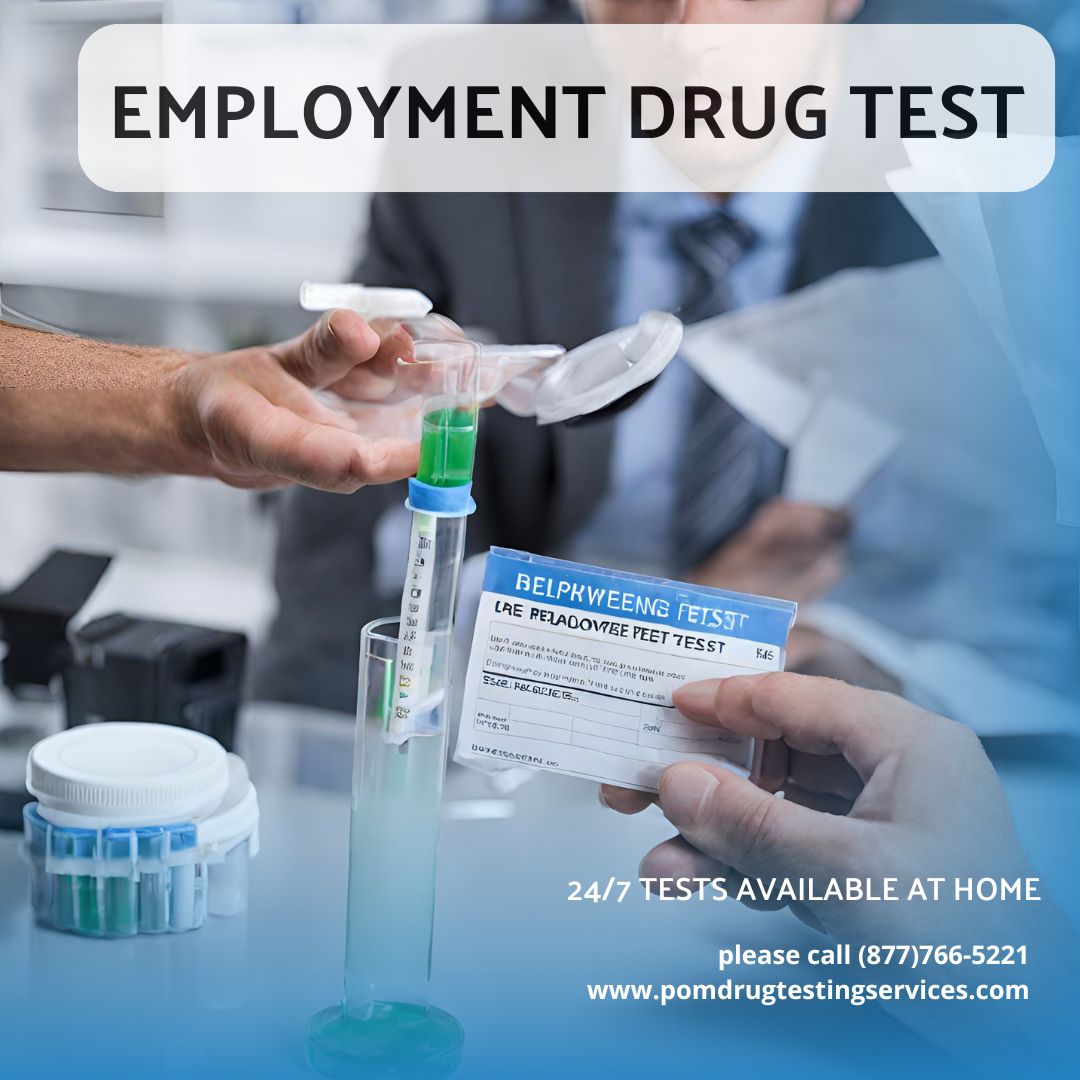
Drug testing plays a pivotal role in ensuring patient safety within healthcare facilities. By conducting regular drug tests, healthcare providers can identify and mitigate potential risks associated with substance abuse among employees, including healthcare professionals. Here are some key reasons why drug testing is of paramount importance:
- 1. Patient Wellbeing: Drug testing helps prevent medical errors and accidents caused by impaired healthcare professionals under the influence of drugs or alcohol. This ensures the safety and wellbeing of patients who rely on healthcare services.
- 2. Trust and Confidence: Drug testing fosters trust and confidence among patients and establishes a reputation for the healthcare facility as a safe and reliable institution. Patients deserve assurance that their healthcare providers are competent and trustworthy.
- 3. Legal Compliance: Adhering to drug testing guidelines and regulations ensures that healthcare facilities operate within the bounds of the law. Non-compliance can result in legal repercussions and reputational damage.
- 4. Employee Support: Drug testing programs often include employee assistance programs (EAPs) that assist healthcare professionals struggling with substance abuse. These programs aim to provide support and help them recover, thereby safeguarding both employees and patients.
Patient Safety Measures
Patient safety is the cornerstone of healthcare, and drug testing plays a crucial role in implementing effective measures to guarantee it. Let's explore some of the key patient safety measures that rely on drug testing:
1. Pre-Employment Testing
Prior to employment in healthcare facilities, potential employees undergo drug testing to ensure they are free from substance abuse. This initial screening helps weed out individuals who may pose risks to patient safety.
2. Random Testing
Random drug testing is an essential tool in ongoing efforts to maintain a drug-free environment within healthcare facilities. By randomly selecting employees for testing, facilities discourage substance abuse and ensure a safer environment for patients.
3. Post-Incident Testing
In the unfortunate event of an accident or error occurring within a healthcare facility, drug testing is conducted to determine if substance abuse played a role. This helps identify and address any underlying issues that may have contributed to the incident, promoting patient safety moving forward.
4. Reasonable Suspicion Testing
If a healthcare professional displays signs of impaired performance or behavior that raises concerns, supervisors can initiate reasonable suspicion testing to ensure patient safety. By promptly addressing potential substance abuse, facilities can prevent harm to patients.
5. Follow-Up Testing
For healthcare professionals who have successfully undergone rehabilitation, follow-up testing serves as a supportive measure to monitor their ongoing recovery and ensure patient safety remains a priority.
Healthcare Facility Regulations
Healthcare facilities are bound by regulations that govern drug testing practices. These regulations are in place to maintain patient safety, promote fair and equitable testing, and uphold the integrity of healthcare service provision. Here are some important regulatory guidelines that facilities must adhere to:
1. Compliance with Federal and State Laws
Healthcare facilities must comply with federal and state laws regarding drug testing. This includes understanding the legal framework, testing procedures, confidentiality requirements, and any limitations imposed on testing practices.
2. Establishing Clear Testing Policies
Healthcare facilities should develop and implement comprehensive drug testing policies that clearly outline the testing procedures, types of tests conducted, consequences for non-compliance, and the rights of employees. These policies provide transparency and clarity to all stakeholders involved.
3. Confidentiality and Privacy Protection
Respecting the confidentiality and privacy of individuals undergoing drug testing is crucial. Healthcare facilities must establish protocols to safeguard sensitive information and ensure that test results are only accessed by authorized personnel.
4. Training and Education
Proper training and education on drug testing protocols should be provided to all healthcare professionals involved in the testing process. This ensures consistency, accuracy, and compliance throughout the facility.
5. Non-Discriminatory Practices
Drug testing should be conducted in a non-discriminatory manner, adhering to equal opportunity principles. Facilities must avoid singling out specific employees for testing based on personal biases or unjustified suspicion.
6. Follow-Up Procedures
Healthcare facilities should establish clear procedures for addressing positive drug test results, including appropriate follow-up actions such as rehabilitation programs, probation periods, or disciplinary measures. These procedures ensure a fair and supportive approach to employee recovery.
By abiding by these regulations, healthcare facilities can create a safe and secure environment that prioritizes patient welfare and employee well-being.
Conclusion
drug testing plays an essential role in ensuring patient safety in healthcare facilities. Through pre-employment, random, post-incident, reasonable suspicion, and follow-up testing, healthcare providers can identify and address substance abuse among employees, guaranteeing a safer environment for patients. By complying with regulatory guidelines and implementing comprehensive drug testing policies, healthcare facilities uphold professionalism, trust, and confidentiality. Together, healthcare providers and facilities work towards a shared commitment to patient safety and well-being.