





Introduction
In the realm of interior design, color isn't merely about aesthetics; it's a powerful tool that can influence mood, behavior, and even physical reactions. Understanding color psychology in interior design can transform a space from merely functional to truly harmonious and impactful. In this blog, we delve into the profound the role of color in interior design and how you can harness its power to create spaces that resonate with emotion and purpose.
Color psychology in interior design is the study of how different colors can evoke specific emotions and responses in people. Whether it's the calming effect of blues and greens, the warmth of yellows and oranges, or the energy of reds, each hue carries its own psychological implications. By strategically incorporating these colors into interior spaces, designers can create environments that support the desired mood or atmosphere.
Let's explore some key aspects of color psychology in interior design:
Creating Mood and Atmosphere: Colors have the ability to set the tone for a space. Cool tones like blues and greens can promote a sense of tranquility and relaxation, making them ideal for bedrooms or meditation areas. Warm tones such as yellows and oranges can evoke feelings of warmth and intimacy, making them suitable for gathering spaces like living rooms or dining areas.
Enhancing Functionality: In addition to influencing mood, colors can also affect how we perceive and use a space. For example, bright, vibrant colors can stimulate creativity and energy, making them ideal for workspaces or areas where brainstorming and innovation are encouraged. On the other hand, softer, muted tones can promote focus and concentration, making them suitable for home offices or study areas.
Creating Visual Interest: The strategic use of color can also add visual interest and depth to a space. By incorporating complementary or contrasting colors, designers can create focal points, highlight architectural features, and guide the eye throughout the room. This can help create a sense of balance and harmony within the space.
Reflecting Personal Style: Color preferences are deeply personal and can reflect individual personalities and tastes. Whether someone gravitates towards bold, dramatic hues or prefers a more subdued palette, incorporating their preferred colors into the design can help create a space that feels uniquely theirs.
Influencing Perception of Space: Colors can also affect how we perceive the size and shape of a room. Lighter colors tend to make a space feel larger and more open, while darker colors can create a sense of coziness and intimacy. By carefully selecting colors based on the size and layout of a room, designers can manipulate its perception and enhance its overall functionality.
In conclusion,
the role of color in interior design goes beyond mere decoration; it's a powerful tool that can shape the way we experience and interact with our surroundings. By understanding the principles of Color psychology in interior design and how different hues can influence mood, behavior, and perception, designers can create spaces that are not only visually stunning but also deeply meaningful and impactful. So, the next time you're planning a design project, consider the power of color and how you can use it to transform your space into a true reflection of yourself and your intentions.
Visit More Blogs: -



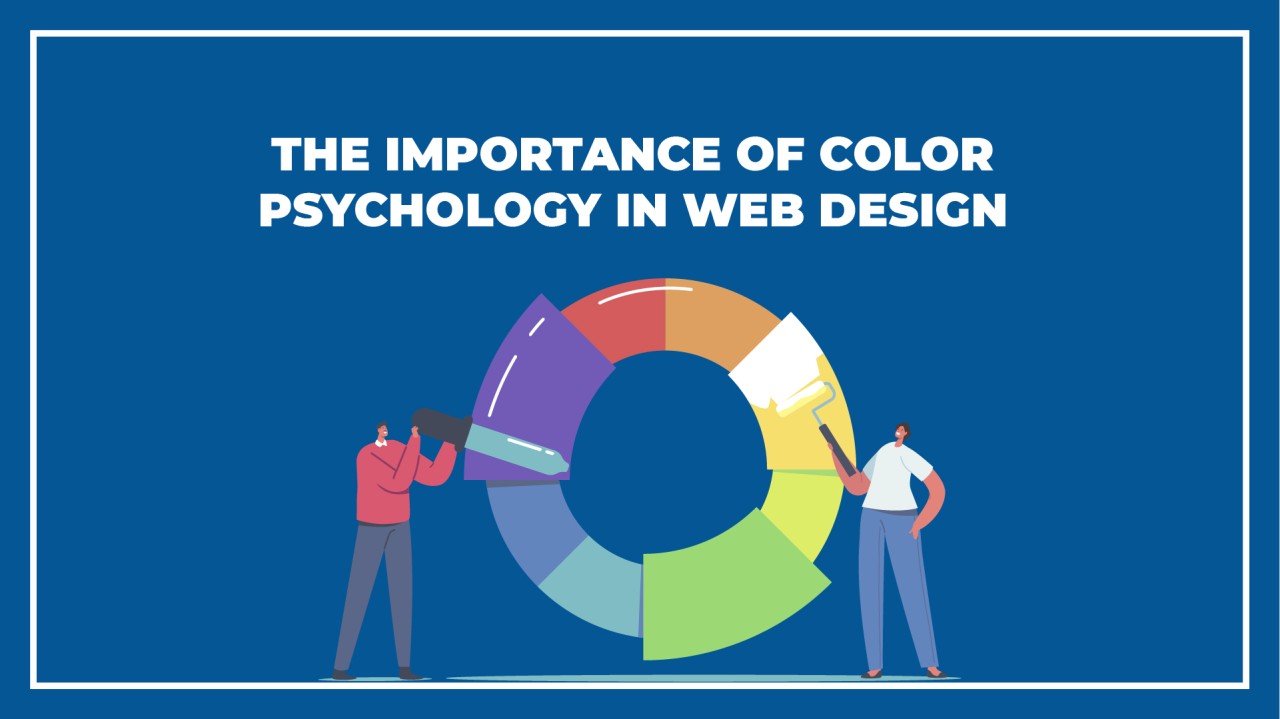
Color psychology has a major impact on consumers — in web designs, apps, poster campaigns and more. Color has a way of evoking emotion and engaging on a personal level. It speaks to consumers subconsciously, encouraging them to do or feel a number of different things.
Colors can give your brand a boost in terms of memorability. It’s been studied to increase brand awareness by 80 percent. Choosing the right colors is a powerful way to engage with your audience and make your presence known.