





Introduction:
Step into the vibrant world of graphic design, where color reigns supreme. It's not merely about selecting colors that look pleasing together; it's about comprehending the profound psychological influence each hue wields over the viewer. From stirring emotions to shaping perceptions, the strategic use of color can either elevate or diminish a design's impact. In this exploration, we dive deep into the realm of color theory in design and unveil how to wield its potential effectively.
Decoding Color Trends in Design:
In the ever-evolving landscape of design, color trends continuously shift, influenced by cultural currents, technological advancements, and societal shifts. Staying abreast of these trends is imperative for designers striving to create visually arresting work. Whether it's the bold, nature-inspired hues or the sleek, minimalist palettes echoing contemporary aesthetics, keeping a finger on the pulse of color trends ensures designs remain fresh and engaging.
Navigating the Terrain of Color Theory:
Color theory serves as the bedrock for comprehending the intricate interplay of colors and the emotions they evoke. From the fundamental principles of the color wheel to the nuanced dynamics of color harmony, understanding these concepts empowers designers to make informed decisions in color selection. Armed with this knowledge, designers can craft compositions that captivate the senses and resonate deeply with the audience.
Unraveling the Color Wheel:
At the heart of graphic design lies the indispensable tool known as the color wheel, which organizes colors based on their relationships. Primary colors form the cornerstone, giving rise to secondary and tertiary hues. Mastering the color wheel enables designers to orchestrate harmonious color schemes that enchant the viewer's gaze and evoke a sense of balance and coherence.
Harmonizing Colors for Impact:
Achieving color harmony involves artfully blending hues to create visually pleasing combinations. Designers employ techniques such as complementary contrasts, analogous harmonies, or triadic arrangements to strike a delicate equilibrium within their designs. By harmonizing colors effectively, designers can imbue their creations with a sense of unity and aesthetic allure.
Unlocking the Psychology of Color:
Each color possesses its own unique psychological resonance, capable of eliciting specific emotions and perceptions. Consider the following associations:
· Red: Igniting passion and urgency, red commands attention and infuses designs with vitality.
· Blue: Radiating calmness and trust, blue instills a sense of stability and reliability, making it a staple in corporate branding.
· Yellow: Radiating optimism and creativity, yellow exudes warmth and invites a cheerful, approachable vibe.
· Green: Symbolizing growth and vitality, green evokes feelings of freshness and environmental consciousness.
· Purple: Exuding luxury and creativity, purple evokes a sense of sophistication and mystique, making it ideal for premium branding.
Harnessing Color for Impactful Design:
Now equipped with insights into color trends and theory, let's delve into strategies for leveraging color effectively in graphic design: Understanding the Audience: Tailoring color choices to resonate with the target demographic is essential. Conducting research or creating audience personas can provide invaluable insights into color preferences and cultural nuances. Establishing Brand Identity: Consistent color usage across brand assets fosters brand recognition and emotional resonance. Iconic examples like Coca-Cola's red and Starbucks' green underscore the power of color in shaping brand identity. Experimentation and Innovation: Design is a journey of exploration, and experimentation is key to uncovering new possibilities. Whether it's through A/B testing or pushing the boundaries of conventional color usage, embracing creativity can yield groundbreaking results. Conclusion:
In the realm of graphic design,
color emerges as a potent language of expression and communication. By wielding the principles of color theory and staying attuned to evolving color trends in design, designers can craft visually arresting creations that resonate deeply with audiences. Whether it's evoking emotions, forging brand identities, or simply delighting the senses, mastery of color empowers designers to elevate their craft to new heights of impact and allure.
Suggested Blogs: - Digital Marketing Techniques storytelling through video editing



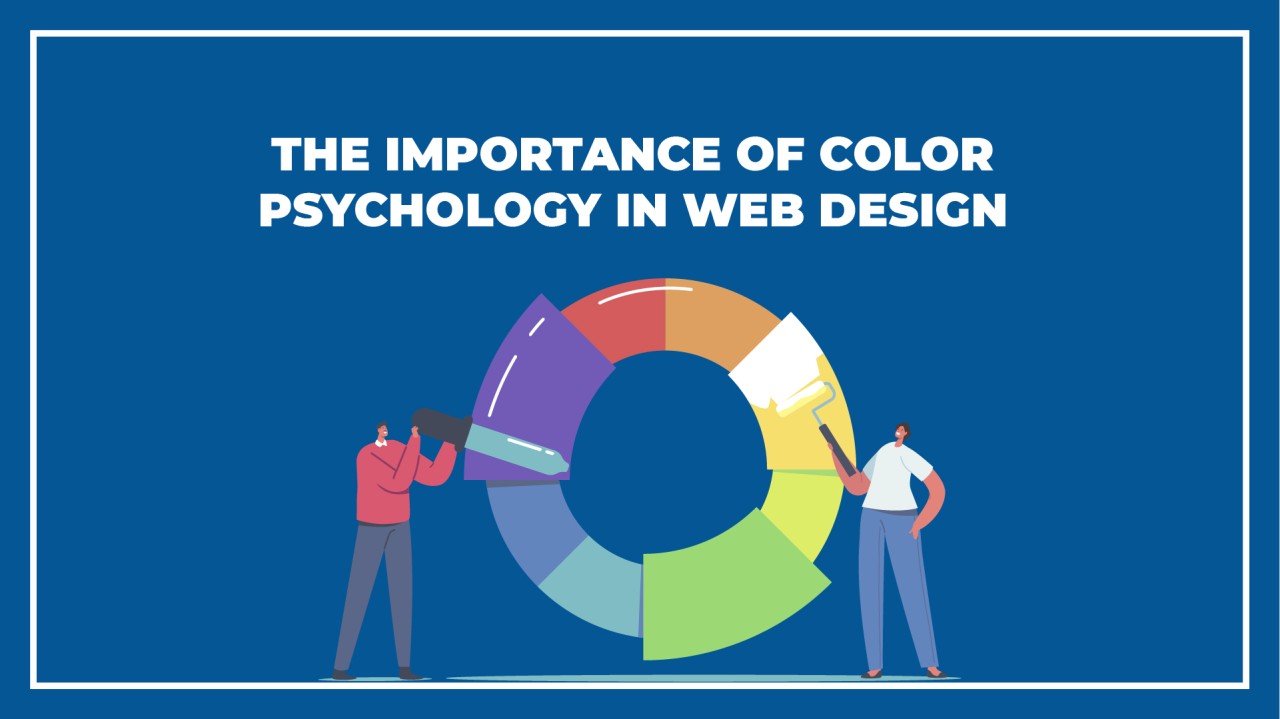

Color psychology has a major impact on consumers — in web designs, apps, poster campaigns and more. Color has a way of evoking emotion and engaging on a personal level. It speaks to consumers subconsciously, encouraging them to do or feel a number of different things.
Colors can give your brand a boost in terms of memorability. It’s been studied to increase brand awareness by 80 percent. Choosing the right colors is a powerful way to engage with your audience and make your presence known.
In this video, we show you how to work smarter, not harder in your business.
Farzana will show you how we manage our business and how we use Asana to keep everything running smoothly as well as sharing some of her top tips on managing your diary.