In critical situations, every second counts, and access to real-time patient data can be the difference between life and death. Remote Patient Monitoring solutions are transforming emergency care by providing healthcare providers with timely and accurate information, even in high-pressure situations. Let's delve into the advancements in remote patient monitoring and their impact on enhancing critical care scenarios.
Understanding Remote Patient Monitoring
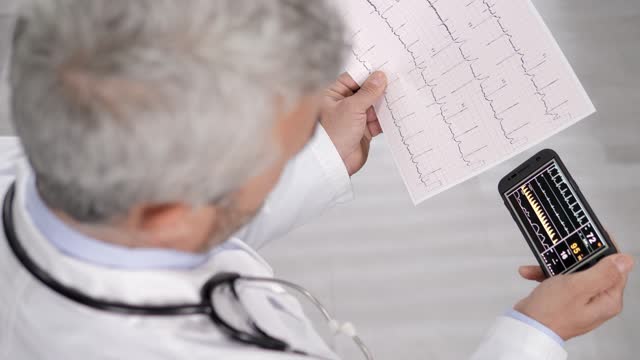
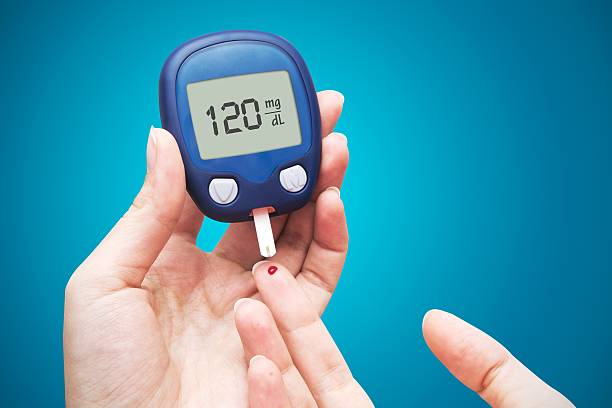
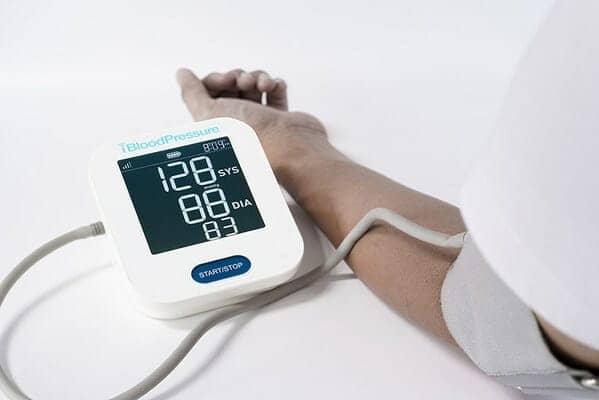
Remote Patient Monitoring involves the use of technology to collect and transmit patient data from a distance. This technology enables healthcare providers to monitor patients' vital signs, symptoms, and other health parameters remotely, allowing for continuous surveillance and timely interventions, particularly in emergency situations.
The Role of Remote Patient Monitoring in Emergency Care
1. Early Detection and Intervention
RPM facilitates early detection of deteriorating patient conditions by continuously monitoring vital signs and other health indicators. This early warning system allows healthcare providers to intervene promptly, preventing adverse events and improving patient outcomes, especially in critical care settings where every moment is crucial.
2. Enhanced Communication and Coordination
In emergency care, effective communication and coordination among healthcare teams are paramount. RPM solutions enable seamless sharing of patient data among emergency medical personnel, specialists, and hospital staff, facilitating collaborative decision-making and ensuring that all stakeholders are informed and prepared to provide the necessary care.
3. Remote Accessibility
One of the key advantages of remote patient monitoring is its ability to provide remote accessibility to patient data, regardless of location. This is particularly beneficial in emergency situations where patients may be located in remote areas or during mass casualty incidents. RPM allows healthcare providers to monitor and triage patients remotely, optimizing resource allocation and ensuring that patients receive timely care.
Implementing Remote Patient Monitoring in Emergency Care
The successful implementation of remote patient monitoring in emergency care requires a comprehensive approach involving technology integration, staff training, and protocol development. Healthcare facilities need to invest in user-friendly RPM platforms that seamlessly integrate with existing systems and workflows. Additionally, healthcare personnel should undergo training to effectively utilize RPM technology and interpret patient data accurately in emergency scenarios.
The Future of Emergency Care with Remote Patient Monitoring
As technology continues to advance, the potential of remote patient monitoring in revolutionizing emergency care is boundless. From wearable devices and mobile health apps to advanced monitoring systems integrated into ambulances and emergency departments, RPM offers a myriad of opportunities for optimizing patient outcomes and enhancing healthcare delivery in critical situations.
Conclusion:
In conclusion, remote patient monitoring solutions are revolutionizing emergency care by providing healthcare providers with timely access to critical patient data, facilitating early detection and intervention, and enhancing communication and coordination among healthcare teams. As we embrace the possibilities of remote patient monitoring, it's essential to partner with trusted providers like Global Touch LLC to harness the full potential of these technologies. Together, we can elevate emergency care and ensure that patients receive the highest quality of care, even in the most challenging situations.
By integrating remote patient monitoring solutions into emergency care protocols, healthcare providers can optimize patient outcomes and improve the efficiency of emergency medical services. Let's leverage the power of technology to transform emergency care and save lives.