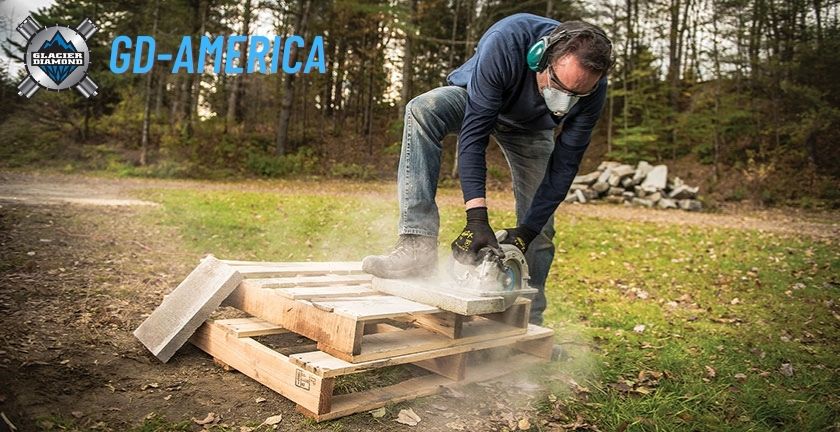
In the realm of construction and renovation, cutting through walls is a fundamental task that requires precision, efficiency, and the right tools for the job. Among these tools, the wall saw blade stands out as a crucial component, serving as the primary instrument for making clean, accurate cuts through various materials such as concrete, brick, and masonry. In this comprehensive guide, we will take a deep dive into the world of wall saw blades, exploring the intricacies of blade selection and technique to ensure optimal results in any cutting application.

Understanding Wall Saw Blades:
Before delving into the selection process, it's essential to understand the anatomy of a wall saw blade. Unlike conventional saw blades, wall saw blades are specifically designed for vertical cutting applications, making them ideal for tasks such as creating door and window openings, cutting expansion joints, and removing sections of walls for renovation or demolition. These blades typically feature diamond segments bonded to a steel core, providing exceptional durability and cutting performance. Diamond segments come in various configurations, including segmented, turbo, and continuous rims, each suited to different materials and cutting conditions.
Factors Influencing Blade Selection:
Selecting the right wall saw blade involves considering several critical factors, including the type of material being cut, the blade's diameter and arbor size, the horsepower of the sawing equipment, and the desired cutting speed and accuracy. For cutting through concrete, reinforced concrete, and other dense materials, diamond concentration and bond hardness are crucial considerations. High diamond concentration and harder bonds are ideal for abrasive materials, while softer bonds offer better performance on softer materials like brick and masonry. Additionally, blade diameter and arbor size must match the specifications of the sawing equipment to ensure compatibility and safety during operation.
Choosing the Right Blade for the Job:
The wide array of wall saw blades available on the market can be overwhelming, but selecting the right blade for the job is essential for achieving optimal results. For general-purpose cutting of concrete and reinforced concrete, a segmented wall saw blade with a high diamond concentration and medium bond hardness is often the go-to choice. These blades strike a balance between cutting speed and durability, making them suitable for a variety of applications. Turbo-rim blades, with their serrated edges and narrow gullets, are preferred for faster cutting speeds and smoother finishes, while continuous-rim blades excel in precision cutting applications where smoothness and accuracy are paramount.
Techniques for Efficient and Safe Cutting:
In addition to selecting the appropriate wall saw blade, employing proper cutting techniques is essential for achieving efficient and safe results. Before starting any cutting operation, it's crucial to inspect the sawing equipment, ensure proper blade installation and alignment, and take necessary safety precautions, including wearing personal protective equipment (PPE) such as safety goggles, gloves, and hearing protection. When making cuts, maintaining a consistent feed rate and avoiding excessive pressure can help prolong blade life and prevent overheating. Additionally, using water or a suitable coolant can help reduce dust and prolong blade performance, especially when cutting hard or abrasive materials.
Maximizing Blade Performance and Longevity:
To maximize the performance and longevity of wall saw blades, proper maintenance and care are essential. After each use, thoroughly clean the blade to remove debris and residue, paying special attention to the diamond segments. Inspect the blade for signs of wear or damage, such as missing or dull segments, and replace it if necessary to ensure continued cutting efficiency and safety. Proper storage is also crucial to prevent damage to the blade's cutting edges and core, ideally in a dry, climate-controlled environment away from direct sunlight and moisture.
Conclusion:
In the realm of construction and renovation, cutting through walls is a task that demands precision, efficiency, and the right tools for the job. Among these tools, the wall saw blade plays a central role, serving as the primary instrument for making clean, accurate cuts through various materials. By understanding the intricacies of blade selection and technique, contractors and professionals can ensure optimal results in any cutting application. Whether it's creating door and window openings, cutting expansion joints, or removing sections of walls for renovation or demolition, the right wall saw blade, coupled with proper technique and maintenance, is essential for success in any cutting project.

Pug puppy is a standard pet dog breed that is often described as compact dogs with a great sense of humor that they like to show off to their owners and visitors from time to time... Read more: https://9breakingnews.com/a-deep-dive-into-pug-adoption/