Introduction
Welcome to our guide on cabinet painting Seattle! If you're looking to freshen up the look of your kitchen or bathroom cabinets, painting them is a cost-effective and transformative solution. In this article, we will walk you through the process of cabinet painting, including preparation, materials needed, and step-by-step instructions. Whether you're a seasoned DIY enthusiast or a beginner, this guide will help you achieve professional-looking results. Let's get started!
Why Paint Your Cabinets?
Before diving into the details of cabinet painting, let's discuss why you might consider this option. Painting your cabinets can:
- Give your kitchen or bathroom a fresh new look without the expense of replacing the cabinets entirely.
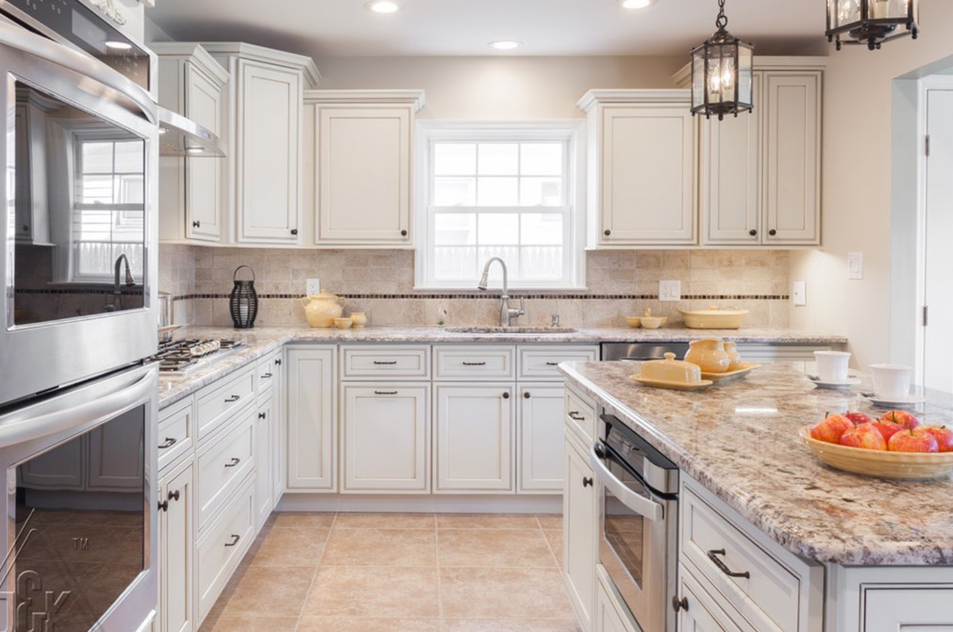
- Update the style of your space, whether you prefer a modern, classic, or rustic look.
- Increase the resale value of your home by improving the overall appearance.
- Protect your cabinets from wear and tear, such as scratches and moisture damage.
Materials You'll Need
Before embarking on your cabinet painting project, gather the following materials:
- Paint (choose a high-quality, durable paint suitable for cabinets)
- Primer (if necessary)
- Sandpaper (various grits)
- Tack cloth or microfiber cloth
- Paintbrushes (angled and small detail brush)
- Roller and roller tray
- Painter's tape
- Drop cloths or plastic sheets
- Screwdriver or drill (to remove cabinet hardware)
- Optional: cabinet degreaser
Preparation
Proper preparation is crucial for achieving a professional finish when painting cabinets. Follow these steps to prepare your cabinets:
1. Empty the Cabinets
Remove all items from inside your cabinets, including dishes, utensils, and any other stored items. This will make it easier to paint and prevent any accidental spills or damage to your belongings.
2. Remove Cabinet Hardware
Using a screwdriver or drill, remove any handles, knobs, or other hardware from the cabinet doors and drawers. Place the hardware in a labeled bag or container, so they don't get misplaced.
3. Clean the Cabinets
Thoroughly clean the cabinet doors, drawers, and frames to remove grease, dirt, and any other residues. You can use a cabinet degreaser for stubborn grease build-up. Wipe down the surfaces with a damp cloth and allow them to dry completely.
4. Protect Surrounding Areas
Cover the countertops, floor, and any nearby appliances with drop cloths or plastic sheets to protect them from paint splatters.
Step-by-Step Guide to Cabinet Painting
Now that your cabinets are properly prepped, let's dive into the cabinet painting process:
Step 1: Sand the Cabinets
Using sandpaper (start with a medium grit and progress to a finer grit), sand the cabinet doors, drawers, and frames. This will create a rough surface that helps the paint adhere better. Wipe away any sanding dust with a tack cloth or microfiber cloth.
Step 2: Apply Primer (If Needed)
If your cabinets have a dark or stained finish, applying a primer can help achieve better coverage and prevent the previous color from bleeding through. Follow the manufacturer's instructions for the primer application, and ensure it is fully dry before proceeding.
Step 3: Paint the Cabinets
Now comes the exciting part – painting your cabinets! Start by applying a thin, even coat of paint to the cabinet doors, drawers, and frames using a paintbrush or roller. Use long, smooth strokes to achieve a professional finish. Allow the first coat to dry completely before applying a second coat. Depending on the paint and desired coverage, you may need to apply multiple coats for a flawless finish.
Step 4: Reattach Hardware
Once the cabinets are fully dry, reattach the cabinet hardware using the screwdriver or drill. Take care to align the hardware properly and tighten the screws securely.
Tips and Tricks
Here are some additional tips and tricks to help you during your cabinet painting project:
- Label the cabinet doors and drawers with masking tape or post-it notes to remember their original positions when reattaching them later.
- Consider using a paint sprayer for a smoother finish, but make sure to practice proper technique and cover surrounding areas to prevent overspray.
- If you prefer a distressed or antiqued look, you can apply a glaze or use sandpaper to distress the painted cabinets after they are fully dry.
- Allow each coat of paint to dry completely before applying subsequent coats. Patience is key for achieving a professional result.
- Consider adding a clear protective topcoat to your painted cabinets to enhance durability and protect against scratches.
In Conclusion
Painting your cabinets is an excellent way to revamp the look of your kitchen or bathroom without breaking the bank. By following the steps and tips outlined in this guide, you'll be well-equipped to tackle your cabinet painting project in Seattle. Remember, preparation is key, so take the time to properly clean and sand your cabinets before painting. With a little patience and attention to detail, you'll achieve a beautiful and long-lasting finish that will breathe new life into your space.