When it comes to plumbing projects, selecting the right copper fitting size and type is crucial for ensuring a successful installation. Whether you're tackling a simple repair or a complex installation, understanding the different options available and how they match your plumbing requirements is essential. Here's a comprehensive guide to help you choose the appropriate copper fitting for your needs.
Understanding Copper Fittings
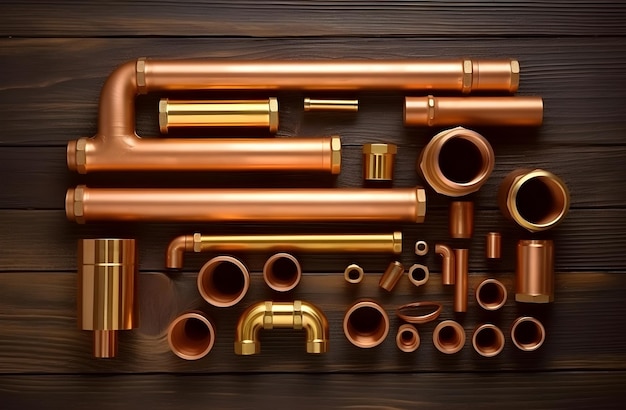
Copper fittings are essential components used in plumbing systems to connect pipes and redirect water flow. They come in various shapes, sizes, and configurations to accommodate different plumbing layouts and applications. The most common types of copper fittings include elbows, tees, couplings, adapters, and reducers.
Consider Your Plumbing Requirements
Prior to choosing y copper fitting for your project, it's crucial to meticulously evaluate your plumbing requirements. Take into account elements such as pipe size, material compatibility, pressure rating, and the precise layout of your plumbing system. By comprehensively understanding your needs from the outset, you can streamline the selection process and opt for fittings that align most effectively with your project.
Choosing the Right Size
Selecting the correct size of copper fittings is crucial for ensuring a leak-free and efficient plumbing system. Copper fittings are available in various sizes, typically measured in nominal pipe sizes (NPS). When choosing fittings, match the size to the diameter of your pipes to ensure a proper fit. It's essential to measure accurately and consult sizing charts to determine the appropriate fittings for your pipes.
Material Compatibility
Make sure that the copper components you select are compatible with the materials utilized in your plumbing system. While copper is a versatile material suitable for numerous applications, it may not harmonize with certain materials like galvanized steel or brass. Be diligent in verifying compatibility guidelines and opt for components that won't induce corrosion or other complications within your plumbing setup.
Pressure Rating
Consider the pressure rating of copper fittings to ensure they can withstand the operating conditions of your plumbing system. Fittings are typically labeled with their pressure ratings, indicating the maximum pressure they can handle safely. Be sure to choose fittings that meet or exceed the pressure requirements of your plumbing system to prevent leaks and failures.
Consultation and Professional Advice
If you're unsure about which copper fittings to choose for your plumbing project, don't hesitate to seek professional advice. Consulting with a qualified plumber or plumbing expert can provide valuable insights and recommendations based on your specific requirements. They can help you navigate the options available and ensure that you select fittings that meet the needs of your plumbing system.
Conclusion
Selecting the proper copper fitting size and type is essential for the success of your plumbing project. By understanding your plumbing requirements, choosing the right size, considering material compatibility, and ensuring adequate pressure rating, you can select fittings that will provide reliable performance and long-lasting durability. Whether you're tackling a DIY repair or a professional installation, taking the time to select the right copper fittings will pay off in the long run with a properly functioning plumbing system.