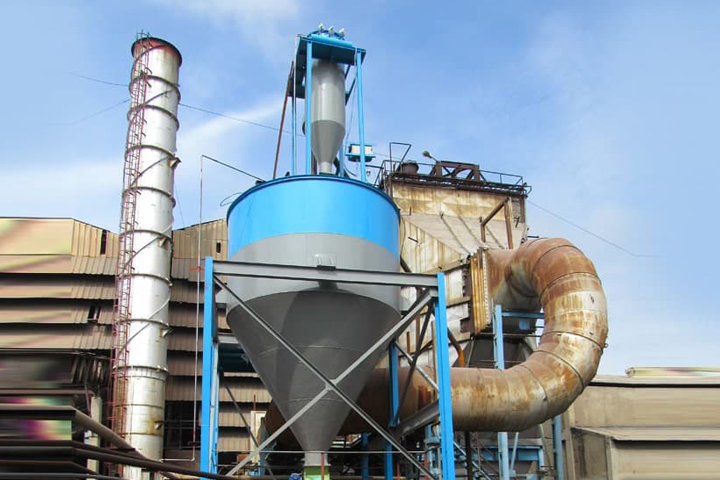
Material handling automation
In today's manufacturing industry, efficiency and productivity are key factors that determine the success of a production team. One area where efficiency can be greatly improved is in material handling processes. Traditionally, manual labor has been involved in moving materials from one place to another, which can be time-consuming and prone to human error. However, with the advent of automation technologies, material handling processes have become much more streamlined and efficient.
Material handling automation involves the use of various mechanical and electronic systems to automate the movement, storage, control, and protection of materials throughout the manufacturing process. These systems not only save time and reduce labor costs but also improve safety and accuracy in material handling.
One of the key components of material handling automation is the use of pneumatic conveying systems. These systems utilize air blow to transport bulk materials from one location to another within a manufacturing facility.
Material handling processes
Material handling processes are an integral part of any production team's workflow. These processes involve the movement, storage, control, and protection of materials throughout the manufacturing process. Efficient material handling processes are essential for ensuring smooth production operations, reducing downtime, and minimizing costs.
There are various material handling processes involved in a typical production operation. These may include:
- Material receiving and inspection
- Storage and inventory management
- Material handling and transportation
- Packaging and labeling
- Quality control and inspection
- Shipping and delivery
Each of these processes requires careful planning and execution to ensure that materials are handled safely and efficiently. One way to streamline material handling processes is by utilizing pneumatic conveying systems.
Pneumatic conveying systems
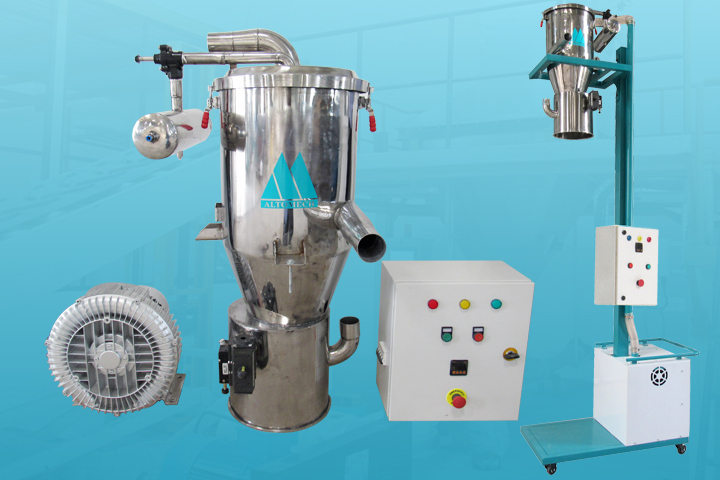
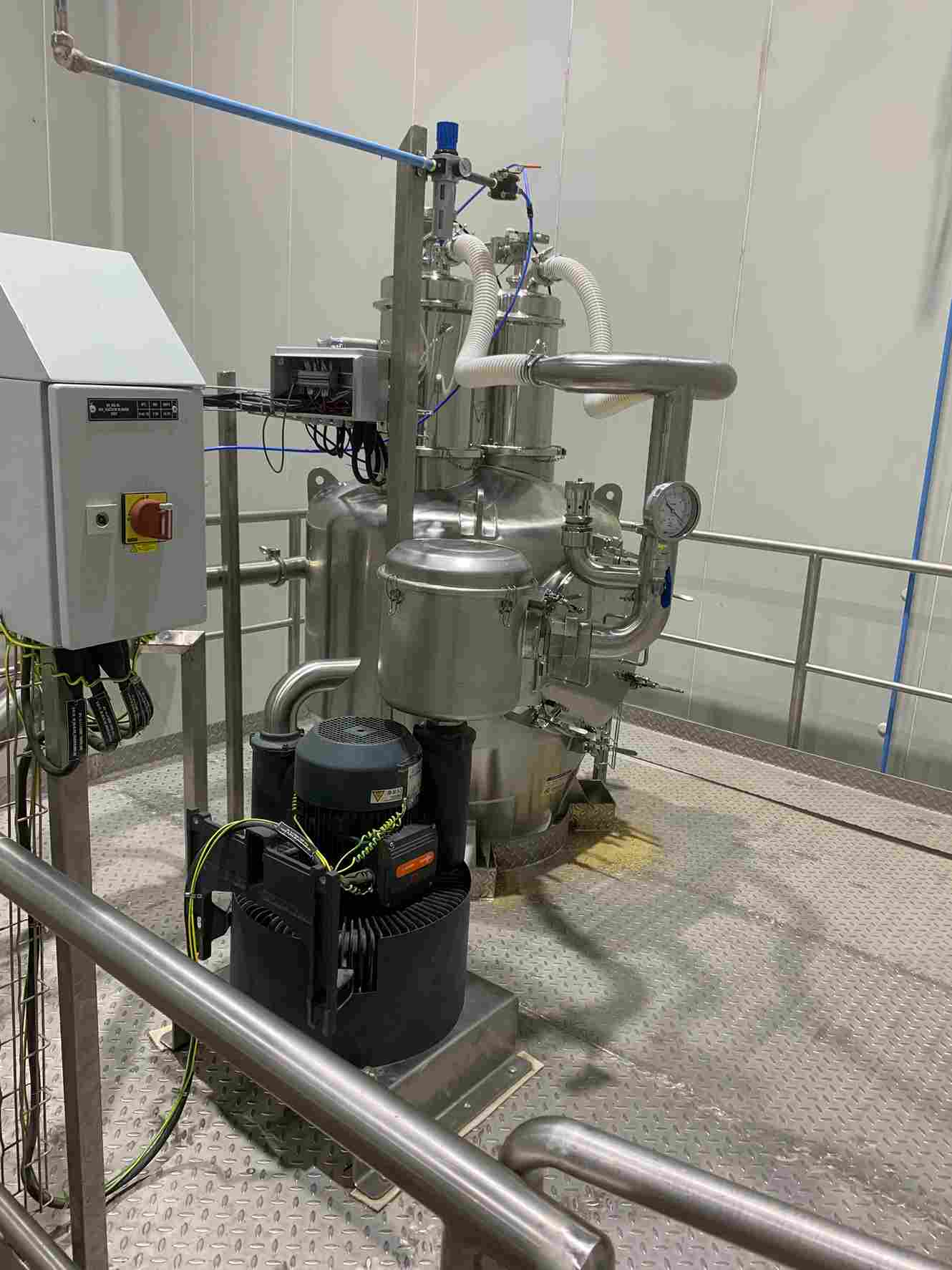
Pneumatic conveying systems are a type of material handling system that use air blow to transport bulk materials from one location to another. These systems consist of a series of pipes or tubes through which materials are transported using a high-velocity air stream.
One of the key advantages of pneumatic conveying systems is their ability to transport materials over long distances and in complex routes. This makes them ideal for use in large-scale manufacturing facilities where materials need to be moved between different production areas.
There are several different types of pneumatic conveying systems, including:
- Dilute phase pneumatic conveying
- Dense phase pneumatic conveying
- Vacuum pneumatic conveying
- Pressure pneumatic conveying
Each of these systems has its own unique advantages and applications, and the choice of system will depend on factors such as the type of material being transported, the distance and route of transportation, and the specific requirements of the production process.
Bulk material handling solutions
When it comes to bulk material handling, efficiency and reliability are of paramount importance. Bulk materials, such as powders, granules, and pellets, are often difficult to handle due to their unique physical properties. They can be abrasive, prone to segregation, and can have poor flow characteristics.
To overcome these challenges, it is essential to have effective bulk material handling solutions in place. Pneumatic conveying systems offer a range of benefits that make them ideal for handling bulk materials:
- Efficiency: Pneumatic conveying systems offer high-speed transportation of bulk materials, allowing for faster production processes and increased productivity.
- Reliability: These systems are designed to be robust and reliable, ensuring consistent material flow and minimizing downtime.
- Flexibility: Pneumatic conveying systems can be easily customized to suit the specific requirements of different production processes, allowing for efficient handling of a wide range of materials.
- Safety: By eliminating the need for manual material handling, pneumatic conveying systems help reduce the risk of injuries and accidents in the workplace.
- Cleanliness: These systems are enclosed and dust-free, ensuring a clean and hygienic working environment.
Pneumatic conveyor
A pneumatic conveyor is a key component of a pneumatic conveying system. It is responsible for transporting bulk materials from one location to another using a high-velocity air stream. Pneumatic conveyors are designed to be efficient, reliable, and versatile, making them an ideal choice for material handling in various industries.
There are several types of pneumatic conveyors available, including:
- Positive pressure conveyors
- Negative pressure conveyors
- Vacuum pressure conveyors
- Pressure/vacuum conveyors
- Dilute phase conveyors
- Dense phase conveyors
Each type of pneumatic conveyor has its own unique advantages and applications. For example, positive pressure conveyors are often used for long-distance transportation of bulk materials, while dense phase conveyors are ideal for handling fragile materials.
In conclusion, pneumatic conveying systems offer a range of benefits that can greatly streamline material handling processes in production teams. These systems are efficient, reliable, and flexible, allowing for faster production processes, increased productivity, and improved safety. By investing in pneumatic conveying systems, production teams can optimize their material handling operations and achieve greater efficiency and profitability.