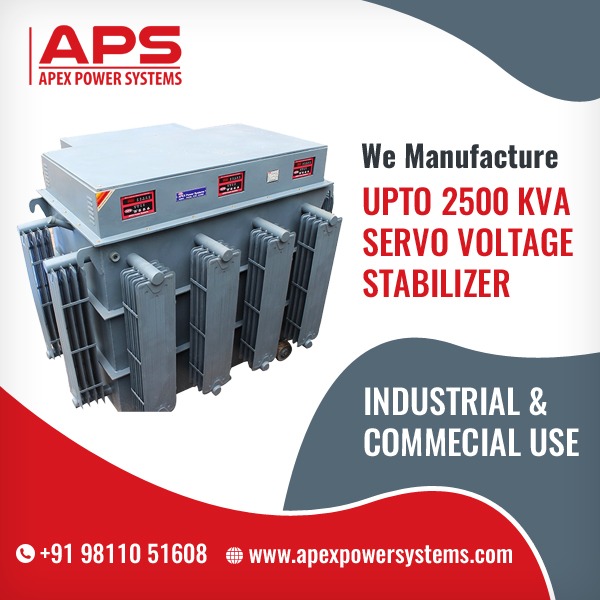
Servo Stabilizer
A servo stabilizer is a precision voltage regulation device that uses servo motors and control circuits to regulate voltage fluctuations and maintain a constant output voltage. It is one of the most reliable solutions for industries with demanding power requirements. Servo stabilizers are commonly used in a wide range of industrial applications, including manufacturing plants, data centers, pharmaceutical industries, and more.
The functioning of a servo stabilizer is based on a closed-loop control system. It continuously monitors the input voltage and automatically adjusts the output voltage using a servo motor. This feedback loop ensures precise voltage regulation, allowing industrial equipment to work optimally and reliably.
There are several factors to consider when choosing the right servo stabilizer for industrial applications:
1. Load Capacity
The load capacity of a servo stabilizer determines the maximum power it can handle. It is essential to assess the power requirements of the industrial equipment and select a servo stabilizer that can handle the expected load. Ensuring that the servo stabilizer has sufficient load capacity is crucial to avoid any overloading issues that could lead to system failure.
2. Voltage Correction Speed
The voltage correction speed refers to the time taken by the servo stabilizer to adjust the output voltage in response to input voltage fluctuations. Different industrial applications may have varying voltage sensitivity requirements. It is important to choose a servo stabilizer with an appropriate voltage correction speed to ensure minimal disruption to the equipment's operation during voltage fluctuations.
3. Efficiency and Power Consumption
Servo stabilizers consume electricity to operate, and it is essential to consider their efficiency and power consumption. High-efficiency servo stabilizers can help reduce energy costs and minimize the environmental impact. Additionally, servo stabilizers with energy-saving features can contribute to significant long-term cost savings for businesses.
4. Quality and Reliability
Industrial applications require highly reliable equipment to ensure uninterrupted operation. When selecting a servo stabilizer, it is crucial to consider the quality and reliability of the product. Assess factors such as the manufacturer's reputation, certifications, warranty, and the availability of service and technical support. Investing in a high-quality servo stabilizer will help avoid downtime and costly repairs.
5. Advanced Features
Depending on the specific requirements of an industrial application, it may be beneficial to consider servo stabilizers with advanced features. These features can include digital display screens for easy monitoring, remote control capabilities for convenient operation, alarm systems for immediate notifications of voltage abnormalities, and bypass switches for seamless system maintenance.
By considering these factors, businesses can choose the right servo stabilizer for their industrial applications. It is crucial to consult with experts or reliable suppliers to ensure that the selected servo stabilizer meets the specific requirements and offers optimal performance.
Industrial applications heavily rely on a stable and consistent power supply. Investing in a reliable servo stabilizer can help businesses ensure uninterrupted operation, protect expensive equipment, and optimize their operational efficiency. By considering the benefits and key factors discussed in this article, industries can make informed decisions when choosing the right servo stabilizer for their specific needs.
Servo Stabilizer Benefits
When it comes to industrial applications, a reliable power supply is crucial. Fluctuations and interruptions in the electricity can lead to equipment damage, production loss, and increased downtime. To mitigate these risks and ensure uninterrupted power supply, many industries turn to servo stabilizers. These advanced devices offer a range of benefits that make them an ideal choice for industrial applications.
1. Voltage Regulation
A servo stabilizer is designed to regulate the voltage supplied to industrial equipment. It continuously measures the input voltage and adjusts it to match the desired output voltage. This ensures that the equipment receives a stable and constant voltage, regardless of fluctuations in the utility power supply. By providing a steady voltage, servo stabilizers protect industrial equipment from damage caused by sudden spikes or drops in voltage.
2. Increased Equipment Lifespan
Unstable voltage can significantly reduce the lifespan of industrial equipment. Servo stabilizers help prolong the life of expensive machinery by maintaining a consistent voltage supply. The stable voltage ensures that all components of the equipment receive the required power, preventing overheating, electrical stress, and other potential damages. By preventing voltage fluctuations, servo stabilizers can save businesses substantial repair and replacement costs.
3. Improved Efficiency
Fluctuations in voltage can lead to inefficiencies in industrial equipment. With a servo stabilizer in place, businesses can optimize the performance of their machines. A stable voltage supply eliminates power wastage, enhances motor efficiency, and reduces energy consumption. This translates to cost savings and improved productivity for industrial applications.
4. Enhanced Power Quality
A servo stabilizer not only regulates voltage but also offers additional power conditioning features. They can filter out noise and harmonics, resulting in improved power quality. This improved power quality helps prevent equipment malfunctions and downtime caused by unwanted signals or electromagnetic interference. By ensuring a clean and reliable power supply, servo stabilizers contribute to the smooth and uninterrupted operation of industrial processes.
5. Automatic Voltage Correction
Servo stabilizers use advanced technology to automatically correct voltage variations. They detect any fluctuations in input voltage and instantly make the necessary adjustments to maintain a stable output voltage. This automatic voltage correction eliminates the need for manual intervention, saving time and effort for businesses. It also ensures that the power supply remains constant even during rapid voltage fluctuations, ensuring uninterrupted operation of industrial equipment.
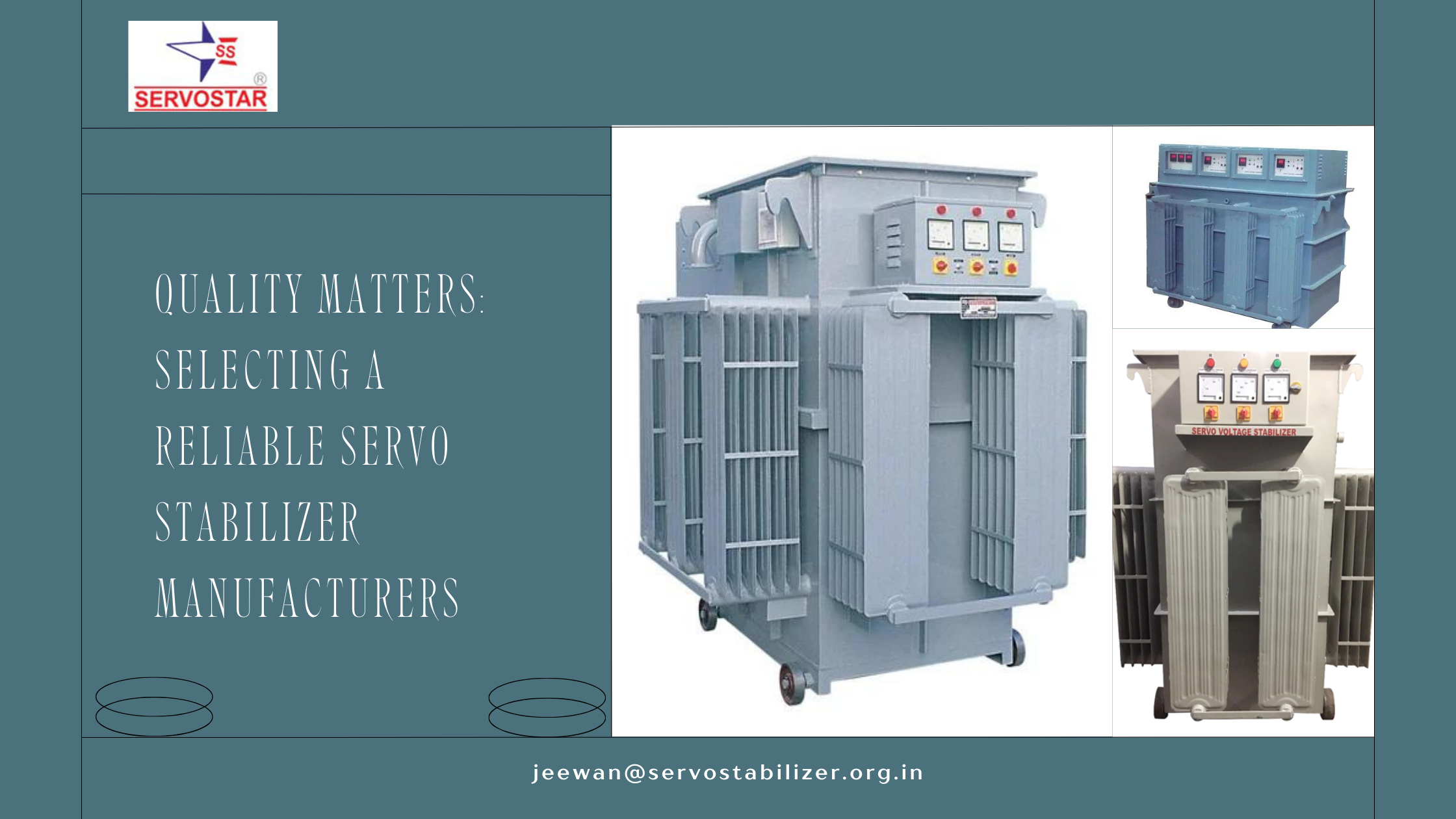
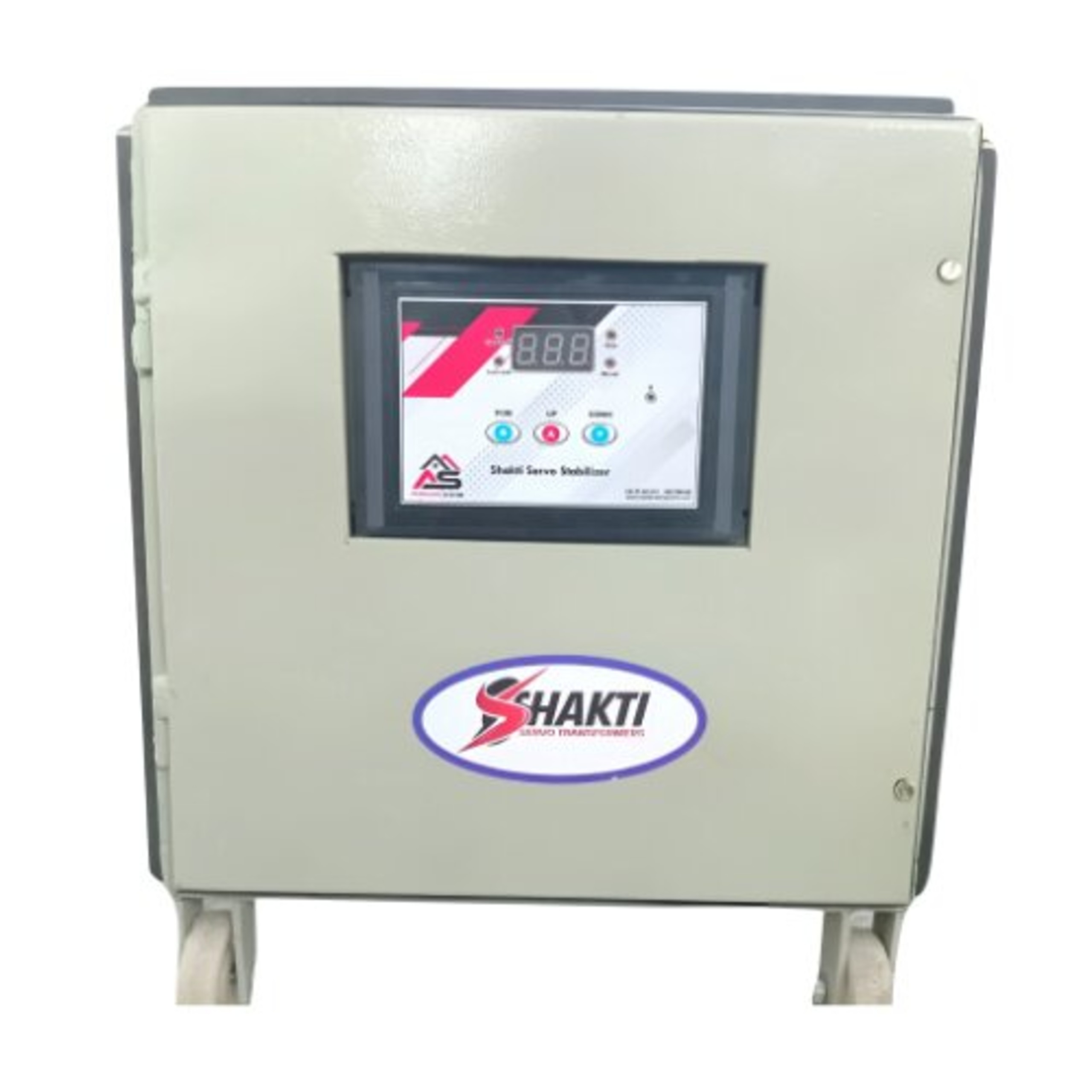
Voltage fluctuations are a common issue in many parts of India, affecting both residential and industrial power supply. Sudden voltage spikes or drops can damage electrical equipment, reduce effici