


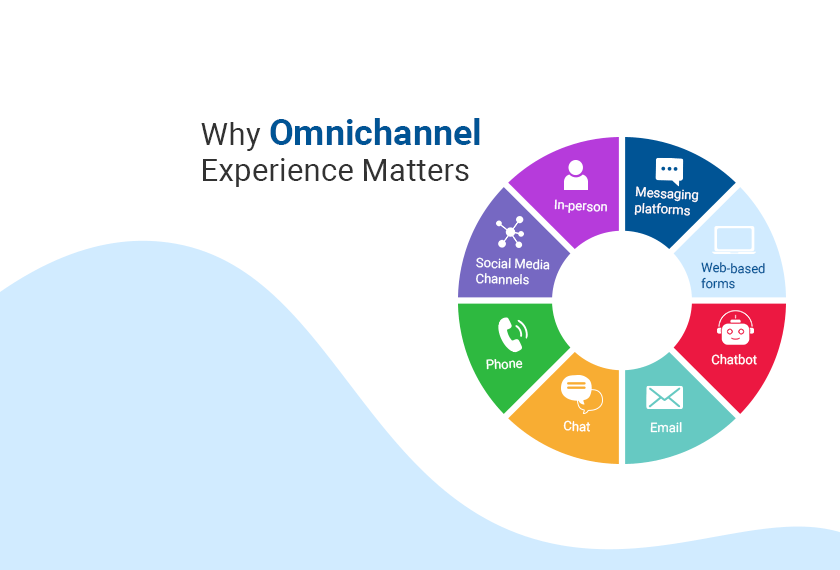
In today's interconnected world, where customers interact with businesses through multiple channels, implementing an omni channel strategy has become essential for creating seamless and consistent customer experiences. An omni channel approach ensures that customers receive unified and cohesive interactions across all touchpoints, whether it's through online platforms, social media, mobile apps, or in-person interactions. Let's explore how an omni channel strategy is instrumental in building consistent customer journeys and driving business success.
Unified Customer Experience
An omni channel strategy aims to provide customers with a unified experience regardless of the channel they use to engage with the business. Whether a customer starts their journey on a website, continues on a mobile app, and completes a purchase in-store, they should encounter consistent messaging, branding, and service standards throughout. This unified experience builds trust, enhances satisfaction, and fosters loyalty among customers.
Seamless Integration Across Channels
One of the key principles of an omni channel strategy is seamless integration across all channels. This means ensuring that customer data, preferences, and interactions are synchronized and accessible across platforms. For example, a customer who adds items to their online shopping cart should be able to see the same items when they visit the physical store or receive personalized recommendations via email or social media. This seamless integration eliminates silos and ensures a cohesive customer journey.
Personalization and Contextualization
An omni channel strategy enables businesses to deliver personalized and contextualized experiences to customers based on their preferences, behaviors, and past interactions. By leveraging data analytics and customer insights, businesses can tailor their messages, offers, and recommendations to meet the individual needs of each customer. Whether it's recommending products based on browsing history or sending targeted promotions via SMS, personalized experiences enhance engagement and drive conversion rates.
Optimized Customer Service
Effective customer service is a cornerstone of an omni channel strategy. By offering consistent and efficient support across all channels, businesses can address customer inquiries, resolve issues, and provide assistance in a timely manner. Whether it's through phone support, live chat, email, or social media messaging, customers should receive the same level of service quality and responsiveness. This optimized customer service enhances satisfaction and loyalty, turning customers into brand advocates.
Continuous Improvement and Adaptation
An omni channel strategy is not static; it requires continuous monitoring, analysis, and adaptation to evolving customer preferences and market trends. By regularly collecting feedback, measuring performance metrics, and refining strategies, businesses can ensure that their omni channel approach remains relevant and effective. This commitment to continuous improvement enables businesses to stay agile and responsive in an ever-changing business landscape.
Conclusion
In conclusion, an omni channel strategy is essential for building consistent customer journeys and driving business success in today's digital era. By providing unified experiences, seamless integration across channels, personalized interactions, optimized customer service, and a commitment to continuous improvement, businesses can create meaningful connections with customers, foster loyalty, and differentiate themselves in a competitive marketplace. Embracing an omni channel strategy is not just a business imperative; it's a strategic investment in long-term customer relationships and sustainable growth.

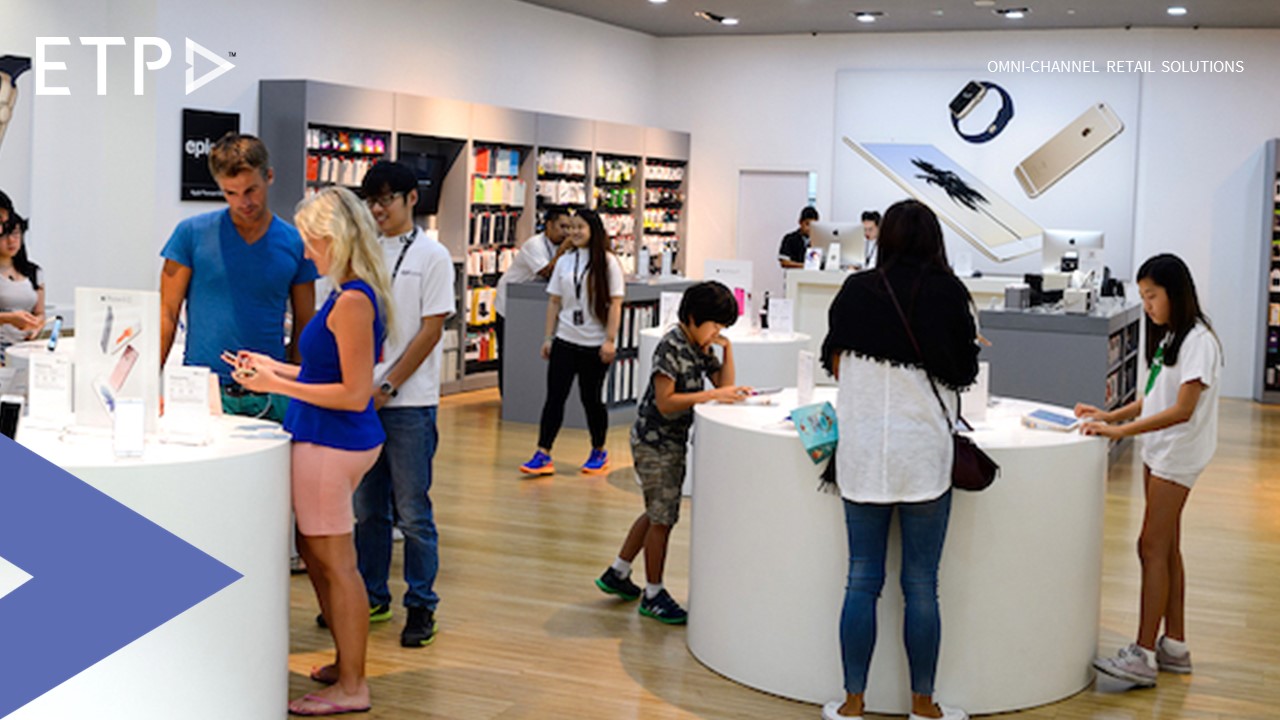
ETP has performed on our very demanding requirements and the proof of the same is the complete arrangement of the internal business customers.https://www.etpgroup.com/in/customers-testimonials/
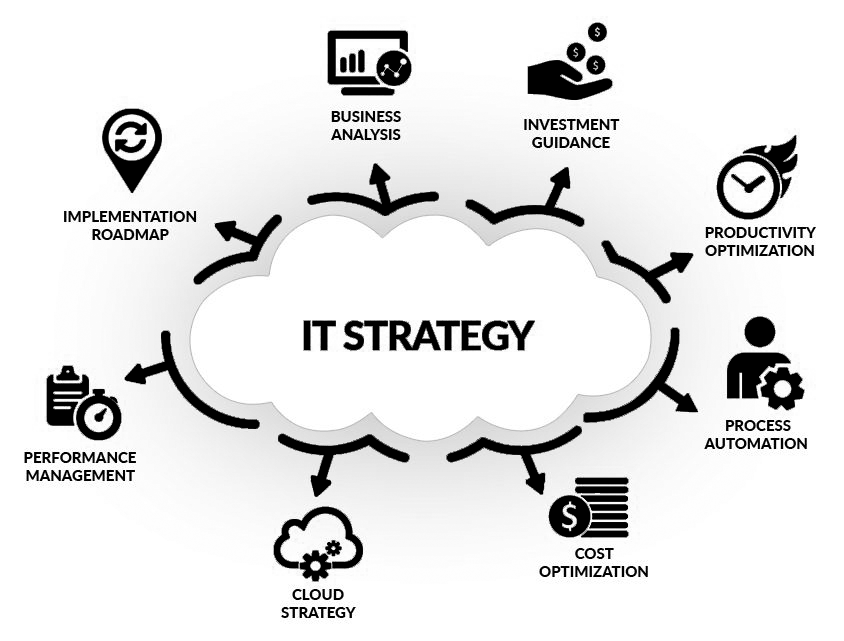
Integrated retail provides you the Omni Channel Marketing to manage your inventory through Omni-channel pos software to Optimize the performance of your business and protect your Business information.
FrescoData omnichannel marketing is a full-service data and marketing agency.
We are a primary source of consumer and business data, identity data and analytics for enterprises and the largest data providers in the world.
We offer end-to-end custom data-driven marketing solutions as a white-glove service.FrescoData blends data-driven marketing with the customer-centric approach of people-based marketing to achieve effective omni-channel experiences.
Our access to 10,000+ behavior, attitude, interest, propensity and demographic attributes across 100% opt-in, deterministic, known and compiled data guides our strategy.