Brake caliper components
When it comes to understanding the braking system of a vehicle, one crucial component that you need to be familiar with is the brake caliper. The caliper plays a critical role in bringing your vehicle to a safe stop, and having a good understanding of its components can help you maintain and repair your brakes effectively.
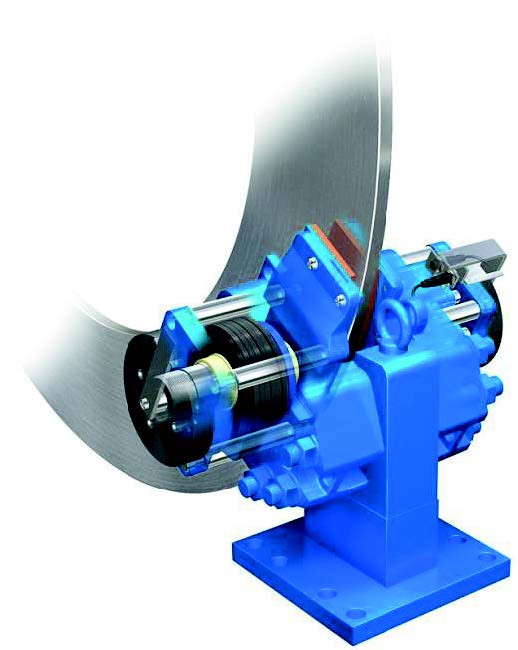
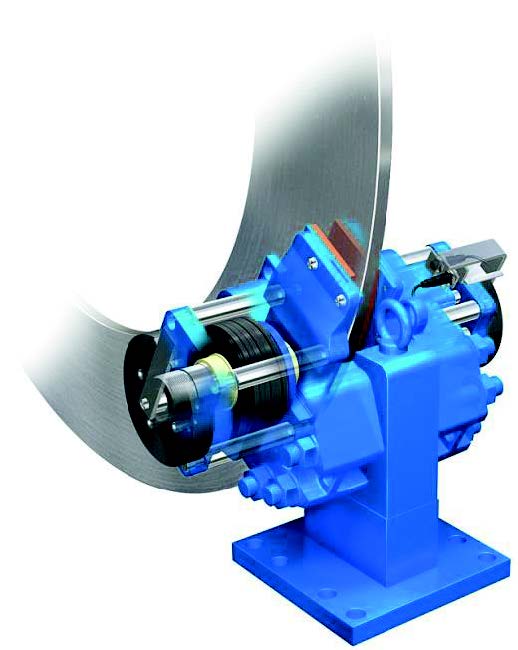
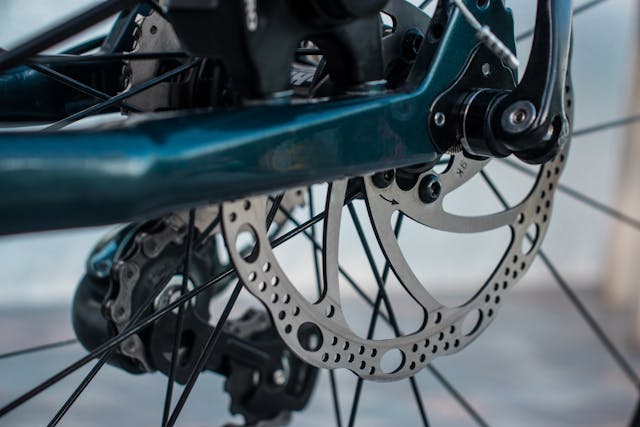
The brake caliper is a part of the disc brake system, which is the most common type of braking system used in modern vehicles. It works in conjunction with other components such as the brake pads, rotor, and hydraulic system to slow down or stop the rotation of the wheels.
Let's take a closer look at the key components of a brake caliper:
Piston
The piston is one of the primary components of the brake caliper. It is responsible for applying pressure to the brake pads, which in turn creates friction against the rotor. This friction is what slows down and eventually stops the rotation of the wheels.
The piston is usually located inside the caliper housing and is pushed outwards when you apply the brakes. It can be actuated by various methods, such as hydraulic pressure or mechanical force, depending on the type of braking system in your vehicle.
Brake Pads
Brake pads are another crucial component of the brake caliper. They are designed to create friction against the rotor when the brakes are applied. This friction generates heat and slows down the rotation of the wheels.
Brake pads are typically made of a high-friction material, such as ceramic or semi-metallic compounds, that can withstand the heat and pressure generated during braking. Over time, brake pads can wear down and need to be replaced to maintain optimal braking performance.
Caliper Housing
The caliper housing is the outer shell or body of the brake caliper. It houses the piston and brake pads and provides support and protection to these components.
The caliper housing is usually made of cast iron or aluminum alloy, which are both strong and heat-resistant materials. It is designed to withstand the high temperatures generated during braking and provide structural integrity to the brake caliper.
Types of brake calipers
There are primarily two types of brake calipers commonly used in vehicles: floating calipers and fixed calipers. Each type has its own design and characteristics, affecting the overall braking performance and feel.
Floating Calipers
Floating calipers, also known as sliding calipers, are the most common type of brake calipers found in modern vehicles. They consist of a single piston located on one side of the rotor.
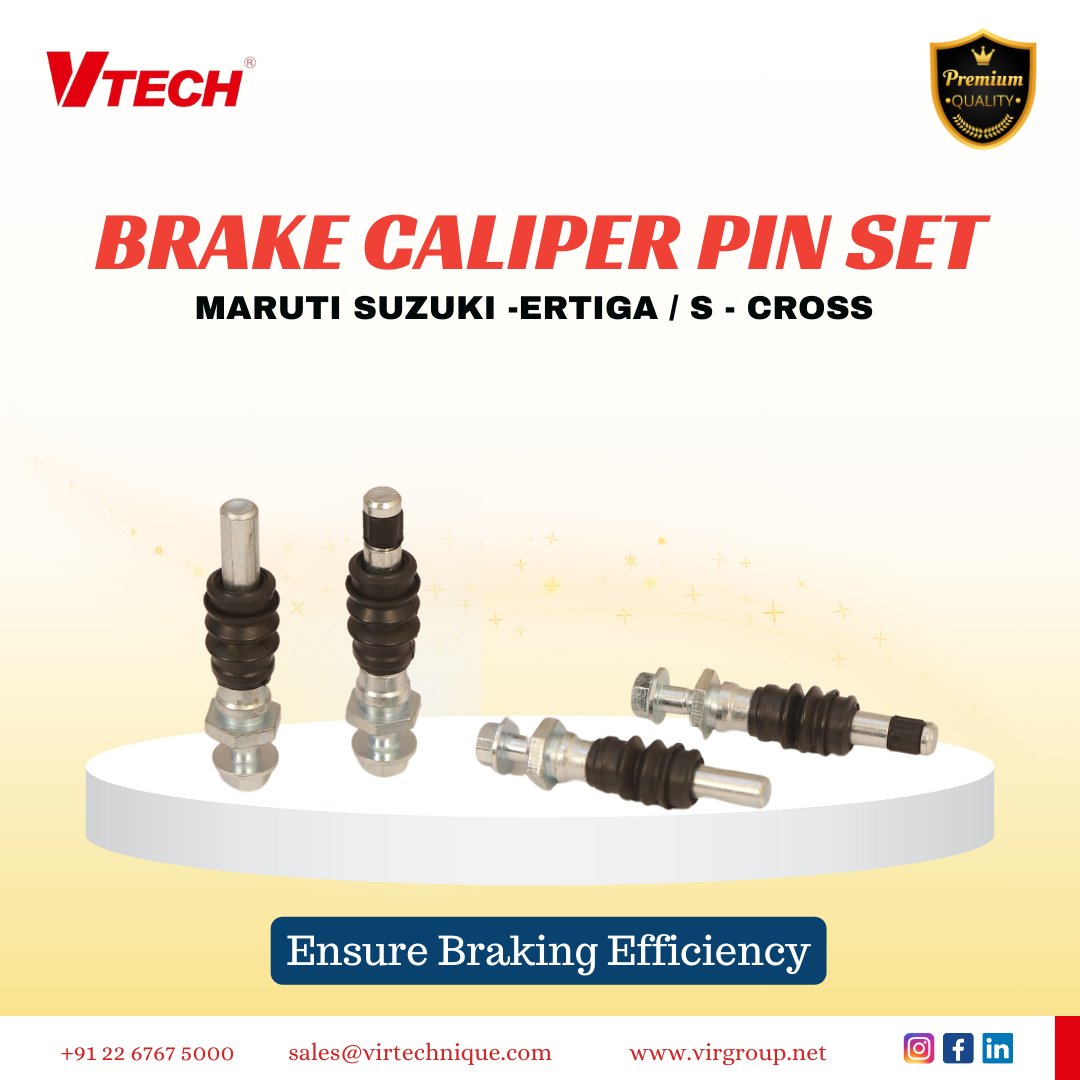
The design of floating calipers allows them to slide in and out on guide pins or bushings. When the brakes are applied, the piston pushes the inner brake pad against the rotor, while the caliper slides to press the outer pad against the rotor. This dual-action creates friction on both sides of the rotor, slowing down the wheels.
Floating calipers are relatively simple in design and can provide adequate braking performance for most everyday driving situations. They are also cost-effective to manufacture, making them a popular choice for vehicle manufacturers.
Fixed Calipers
Fixed calipers, also known as opposed piston calipers, are a more advanced type of brake caliper commonly used in high-performance and luxury vehicles. They feature multiple pistons on both sides of the rotor.
The main advantage of fixed calipers is their ability to distribute braking force more evenly across the brake pads. With pistons on both sides, the caliper applies even pressure to both the inner and outer brake pads, resulting in better braking performance and more consistent pedal feel.
Fixed calipers also have a sturdier and more rigid construction compared to floating calipers, which helps reduce caliper flex during heavy braking. This increased rigidity translates to improved brake modulation and overall braking performance.
However, fixed calipers are generally more expensive to manufacture and require precise machining and assembly. Therefore, they are typically found in higher-end vehicles and performance-oriented applications.
Conclusion
Understanding the brake caliper and its components is essential for maintaining the braking system of your vehicle. By familiarizing yourself with the piston, brake pads, and caliper housing, you will be better equipped to diagnose and repair any brake-related issues that may arise.
Additionally, knowing the different types of brake calipers, such as floating calipers and fixed calipers, can help you make informed decisions when it comes to upgrading or replacing your brakes.
Remember, the braking system is a critical safety feature in any vehicle, and regular inspection and maintenance are essential to ensure reliable and effective braking performance. If you have any concerns or doubts about your brake calipers or the overall braking system, it is always best to consult a qualified mechanic or brake specialist.