

In recent years, the popularity of essential oils has skyrocketed, with more and more people turning to these natural remedies for various health and wellness benefits. However, with the increasing demand, the market has become flooded with a wide range of essential oil products, making it challenging to find pure and high-quality options. If you're considering buying essential oils in 2024, it's crucial to know how to navigate the market and ensure you're purchasing the purest oils available. In this article, we will guide you through the process of buying pure essential oils, helping you make informed decisions.
1.) Research and Educate Yourself
Before diving into the world of essential oils, take the time to research and educate yourself about the different types of oils, their benefits, and the extraction methods used. Understanding the basics will empower you to make better choices when purchasing essential oils. Consider reading aromatherapy books to get started, this article has some great suggestions: Top Aromatherapy and Essential Oil Books.
2.) Choose Reputable Brands
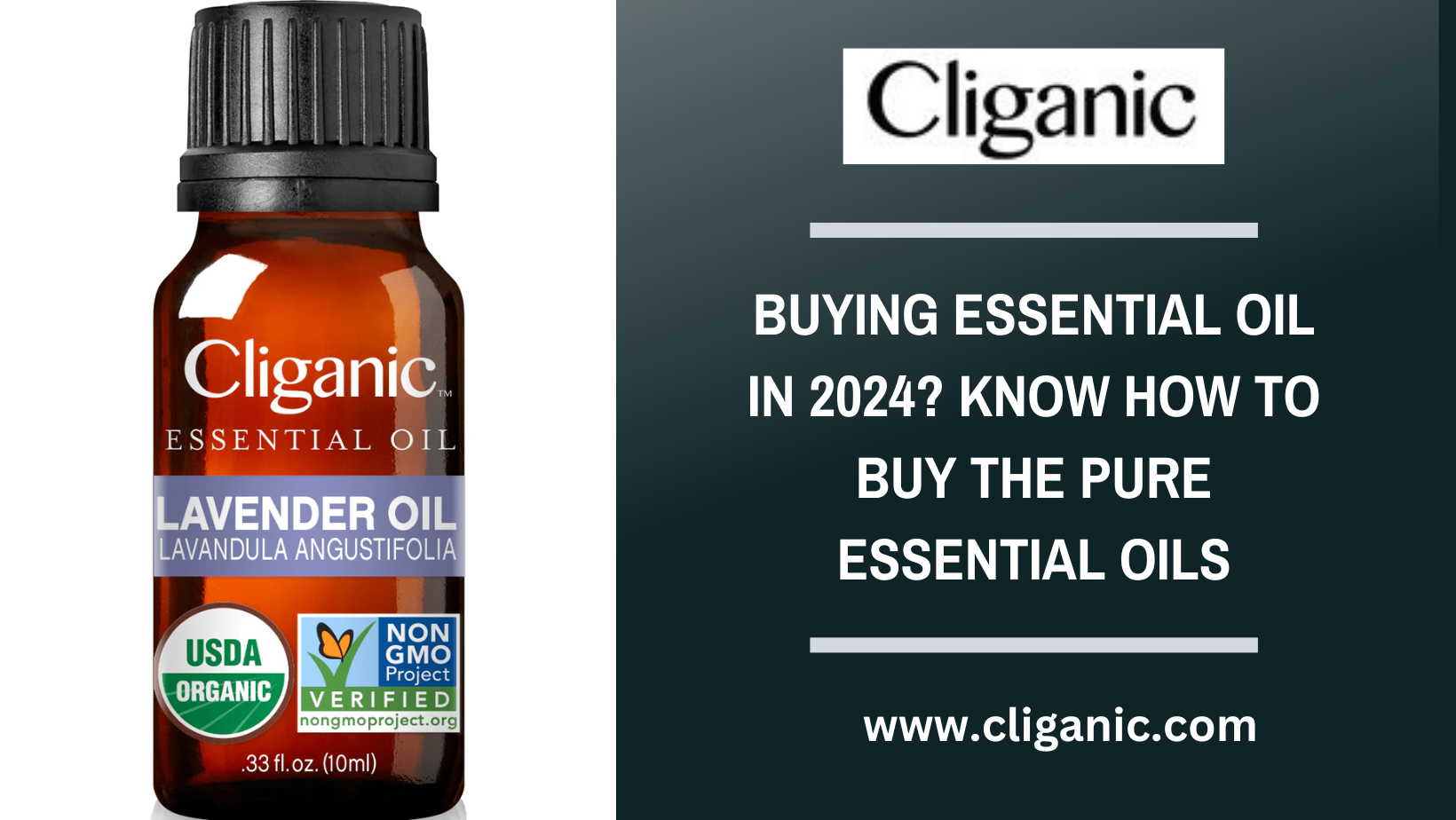
With the increasing popularity of essential oils, numerous brands have emerged, each claiming to offer the purest and highest quality oils. However, not all brands are created equal. Look for reputable brands that prioritize quality, transparency, and sustainability, such as Cliganic. Check for certifications such as USDA Organic, Non-GMO Project Verified, Cruelty-Free, or third-party testing to ensure the oils are pure and free from contaminants.
3.) Read Labels Carefully
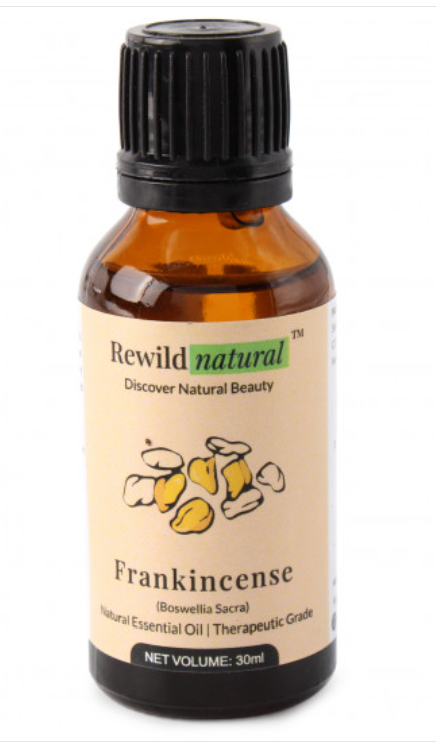
When buying essential oils, always read the labels carefully. Look for information about the plant species, country of origin, extraction method, and any additional ingredients. Pure essential oils should contain only the oil extracted from the plant, without any additives or synthetic fragrances.
4.) Consider Extraction Methods
The extraction method used plays a significant role in the quality of essential oils. The most common methods include steam distillation and cold-press extraction. Steam distillation is the most widely used method and is suitable for most plant materials, and cold-press extraction is typically used for citrus essential oils. Both of these methods don’t use any harmful chemicals or solvents and preserve the delicate aromatic compounds of the plants. Understanding the extraction method can help you choose oils that retain their therapeutic properties. As a rule of thumb, avoid buying essential oils that are obtained through chemical-based methods.
5.) Check for Purity
To ensure the purity of essential oils, look for brands that provide batch-specific testing results. These tests should confirm the absence of synthetic additives, pesticides, heavy metals, and other contaminants. Additionally, reputable brands will often provide information about their sourcing practices on their website, ensuring that the plants used are grown in optimal and sustainable conditions without the use of harmful chemicals.
6.) Consider Price and Packaging
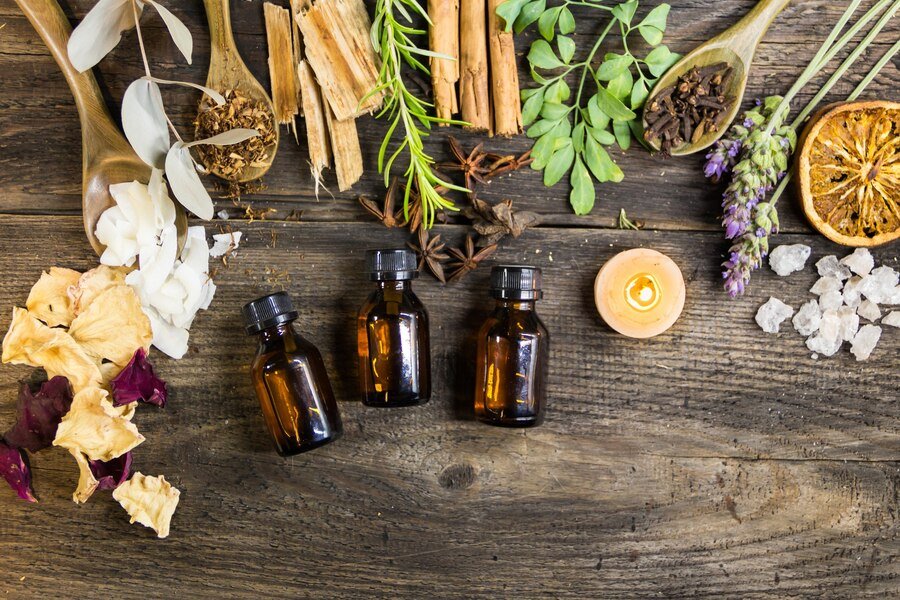
While price should not be the sole determining factor, it can provide some insight into the quality of the essential oils. Pure essential oils require a significant amount of plant material to produce, making them more expensive than synthetic or diluted alternatives. Be cautious of extremely low-priced oils, as they may not be of the highest quality. Additionally, consider the packaging of the oils. Dark glass bottles with a dropper or orifice reducer are ideal, as they protect the oils from light and air, preserving their potency.
Final Thoughts
As the demand for essential oils continues to rise, it's essential to be well-informed when purchasing these products. By conducting thorough research, choosing reputable brands, reading labels, considering extraction methods, checking for purity, and considering price and packaging, you can ensure that you're buying pure essential oils in 2024. Remember, investing in high-quality oils will not only provide you with the desired therapeutic benefits but also support sustainable and ethical practices within the industry. To learn more about essential oils and how to get the most out of their use, check out this article: Shelf-Life of Essential Oils.