

When it comes to your home, every detail matters. From the color of your walls to the style of your furniture, each element contributes to the overall character and vibe of your living space. One often-overlooked aspect that holds immense importance is the color of your roof. It may seem like a minor detail, but the roof color can significantly influence the look and feel of your home.
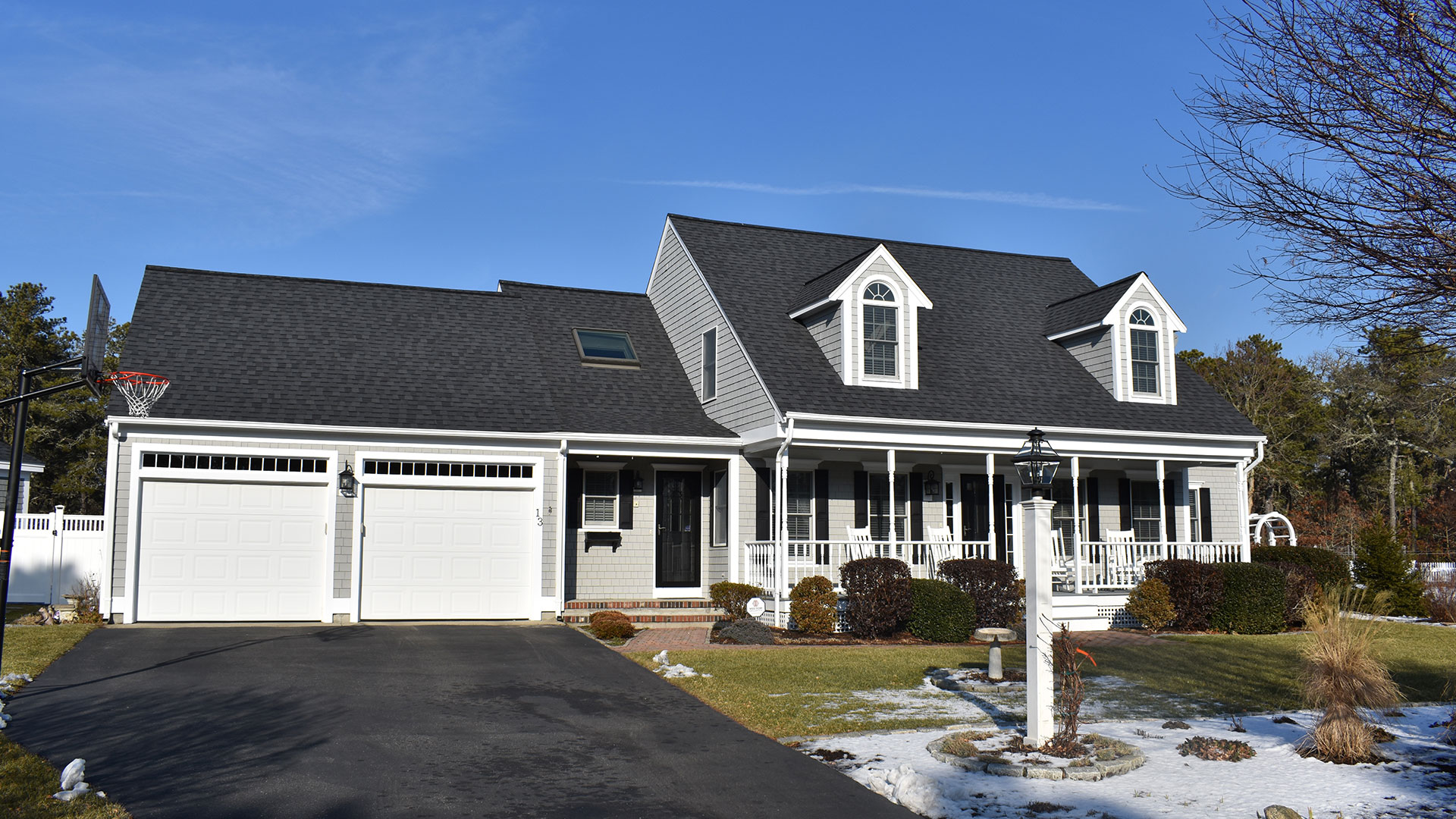
Think about it: as you approach a house, what's one of the first things you notice? It's likely the roof, stretching across the top of the structure, framing the entire facade. The color of the roof sets the tone for the entire exterior, creating a visual impact that can either enhance or detract from your home's overall aesthetic.
Now, you might be wondering, "How do I choose the right color for my roof?" That's where the concept of mood boards comes into play. Mood boards are powerful tools used in design to gather inspiration, organize ideas, and visualize concepts. They're like collages that capture colors, textures, and patterns, helping homeowners bring their design visions to life. Sometimes it help professionals roofing repair services to select the right color for your roof while replacing.
Understanding Mood Boards
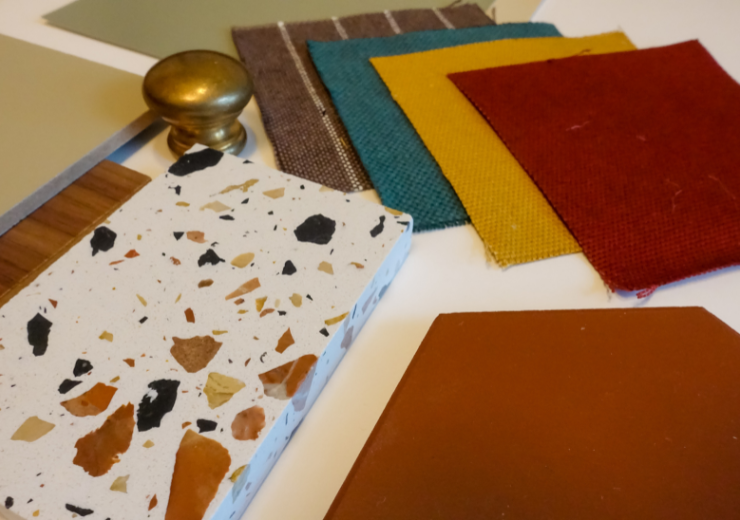
At their core, mood boards serve as visual representations of a design concept or theme. They bring together various elements—such as colors, textures, images, and materials—into one cohesive display. The purpose of a mood board is to evoke a particular mood or feeling, hence the name.
For homeowners embarking on exterior design projects, mood boards offer a structured way to explore different possibilities and refine their ideas. Whether you're revamping your home's facade or selecting a new roof color, a mood board can be an invaluable tool in the decision-making process.
One of the greatest strengths of mood boards is their adaptability. They can be tailored to suit any design project, including home exteriors. Whether you're aiming for a rustic farmhouse look or a sleek modern aesthetic, a well-crafted mood board can help you visualize how different elements will come together to achieve your desired outcome.
In essence, mood boards act as a roadmap for your design journey, guiding you through the creative process from inspiration to execution. They allow you to experiment with different combinations, refine your choices, and ultimately, create a cohesive and visually appealing design scheme.
Steps to Create a Mood Board
Designing a mood board for your home exterior project involves several key steps that help you gather inspiration, make informed decisions, and ensure cohesion in your design scheme. Let's break down these steps in detail:
1. Gathering Inspiration
To kickstart your mood board creation process, begin by exploring various sources of inspiration. This could include browsing through home decor magazines, scouring websites like Pinterest, or even taking a stroll through your neighborhood to observe architectural styles and color schemes.
As you gather inspiration, pay close attention to recurring colors, patterns, and textures that catch your eye. Notice what resonates with your personal style and aesthetic preferences. Whether it's the earthy tones of a rustic cabin or the vibrant hues of a coastal retreat, identifying these elements will serve as the foundation for your mood board.
2. Assigning Items to Home Exterior Elements
Once you've collected a range of inspirational images and ideas, it's time to start assigning these items to specific home exterior elements. Consider how the colors and textures from your mood board can be applied to different surfaces, such as siding, trim, doors, and windows.
When making these assignments, strive for balance and harmony in your design. Mix bold choices with more subdued accents to create visual interest without overwhelming the overall aesthetic. For example, if you're drawn to a bold, dark hue for your siding, balance it out with lighter trim and complementary accent colors for a cohesive look.
3. Utilizing the Mood Board for Roof Design
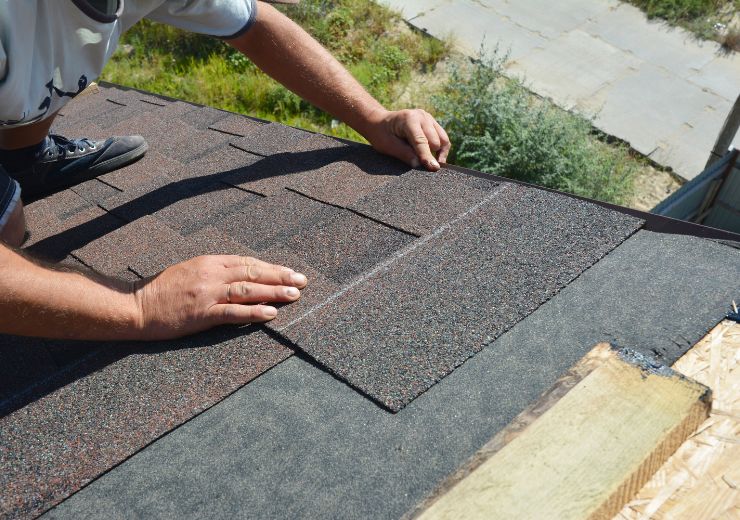
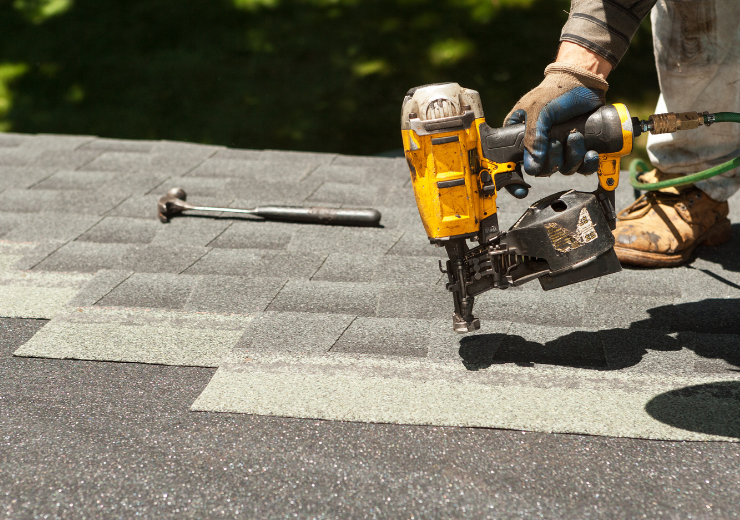
One of the most critical aspects of your home's exterior design is selecting the right roof color. Referencing your mood board, identify roof colors that complement the overall theme and palette you've established. Look for roofing shingle options that align with your design preferences and aesthetic goals.
Modern roofing shingles come in a wide range of colors and styles, offering versatility in enhancing your home's curb appeal. Whether you prefer the classic charm of asphalt shingles or the sleek sophistication of metal roofing, there's a roofing material to suit every taste and architectural style.
4. Ensuring Unity in Design
As you finalize your mood board, take a step back and review the completed design to ensure coherence and harmony among all exterior elements. Avoid color clashes or elements that overpower the overall vision. Strive for a cohesive look that reflects your personal style while enhancing your home's aesthetics.
By maintaining unity in your design, you'll create a visually pleasing exterior that feels cohesive and well-thought-out. Whether you're aiming for a traditional, contemporary, or eclectic aesthetic, a carefully curated mood board will serve as your guide in achieving your design goals.
5. Collaborating with Roofing Contractors
Finally, don't hesitate to share your mood board with roofing professionals when it comes time to bring your design vision to life. Collaborating with experienced contractors allows you to communicate your design preferences effectively and seek guidance on available roofing products and color options.
Remember, collaboration and clear communication are key to achieving the desired results. By working closely with roofing contractors, you can ensure that your exterior design vision is executed with precision and attention to detail, resulting in a home that reflects your unique style and personality.
Tools and Resources for Design
In the digital age, homeowners have access to a wealth of tools and resources to aid them in their exterior design endeavors. Here are some valuable tools and resources to consider when creating your mood board:
1. Introduction to Design Tools
Companies offer innovative design tools such as Style Boards and DesignEyeQ® Roof Visualizer. These tools allow homeowners to experiment with different color combinations, roofing materials, and exterior elements in a virtual environment. With just a few clicks, you can visualize how various design choices will look on your home's exterior, helping you make informed decisions with confidence.
2. Exploring Online Resources
The internet is a treasure trove of inspiration and ideas for exterior design. Websites like Pinterest, Houzz, and Instagram are popular platforms where homeowners can explore countless images and projects for inspiration. These online resources allow you to discover new color schemes, architectural styles, and design trends, empowering you to experiment with different concepts and visualize your ideal home exterior.
3. Importance of Viewing Actual Product Samples
While digital tools are incredibly helpful for visualizing design concepts, nothing beats seeing actual product samples in person. Before making final decisions on roofing materials or exterior paint colors, it's essential to view physical samples whenever possible. This allows you to assess color accuracy, texture, and quality firsthand, ensuring that your chosen materials will meet your expectations and complement your overall design vision.
Last Words
Creating a mood board is a valuable step in the exterior design process, helping homeowners translate their ideas and inspirations into a cohesive and visually appealing vision for their home. By exploring different sources of inspiration, assigning elements to home exterior components, and utilizing different tools and online resources, homeowners can make informed decisions and bring their design visions to life.