Applying construction sealant is an essential skill for any DIY enthusiast or homeowner. Whether you're sealing windows, doors, or any other area prone to air and water leakage, knowing how to properly apply sealant can save you time, money, and prevent future damage. In this comprehensive guide, we’ll cover everything you need to know about applying different types of sealants, including silicone sealant, polyurethane sealant, and acrylic sealant. We’ll also share some expert tips and tricks to ensure a professional finish every time.
Understanding Sealants: Types and Uses
Before diving into the application process, it's important to understand the different types of sealants available and their best uses.
Silicone Sealant
Silicone sealant is highly flexible and durable, making it ideal for areas that experience movement or temperature fluctuations. It’s often used around windows, doors, bathrooms, and kitchens. Its resistance to moisture and extreme temperatures makes it a popular choice for both indoor and outdoor applications.
Common Uses:
Sealing around windows and doors (silicone for windows)
Kitchens and bathrooms (due to its moisture resistance)
Outdoor applications exposed to weather elements
Polyurethane Sealant
Polyurethane sealant is known for its strong adhesive properties and flexibility. It bonds well with a variety of materials, including wood, metal, concrete, and plastic. It’s commonly used in construction and automotive industries due to its durability and ability to withstand heavy wear and tear.
Common Uses:
Joint sealing in construction
Bonding dissimilar materials
Heavy-duty applications where durability is essential
Acrylic Sealant
Acrylic sealant is less flexible than silicone and polyurethane sealants but is paintable and easy to clean up with water. It’s best suited for indoor applications where there is minimal movement, such as sealing gaps in trim, molding, and drywall.
Common Uses:
Interior finishing work
Sealing gaps in woodwork and drywall
Areas where a paintable surface is needed
Essential Tools and Materials
Before you start sealing, gather the necessary tools and materials to ensure a smooth application process:
Caulking Gun:
A quality caulking gun is essential for applying sealant evenly. Look for one with a smooth trigger mechanism and a comfortable grip.
Sealant Tubes:
Choose the appropriate sealant for your project, whether it's silicone, polyurethane, or acrylic.
Utility Knife:
For cutting the sealant tube tip.
Masking Tape:
To create clean lines and prevent mess.
Cleaning Supplies:
Rags, alcohol, or mineral spirits for cleaning the surfaces and any excess sealant.
Smoothing Tool or Finger:
To smooth out the sealant bead.
Step-by-Step Guide to Applying Sealant
Follow these steps for a professional-looking sealant application:
1. Surface Preparation
Clean the Area: Ensure the surfaces to be sealed are clean, dry, and free from dust, grease, and old sealant. Use alcohol or mineral spirits for a thorough clean.
Remove Old Sealant: If there is existing sealant, use a utility knife or a sealant remover tool to scrape it off completely. Clean the area again to remove any residue.
2. Preparing the Sealant Tube
Cut the Tip: Cut the sealant tube's nozzle at a 45-degree angle. The size of the opening should match the width of the gap you’re sealing. For larger gaps, cut a larger opening.
Puncture the Seal: Many sealant tubes have an inner seal that needs to be punctured. Use a long nail or the caulking gun’s built-in puncture tool to do this.
3. Loading the Caulking Gun
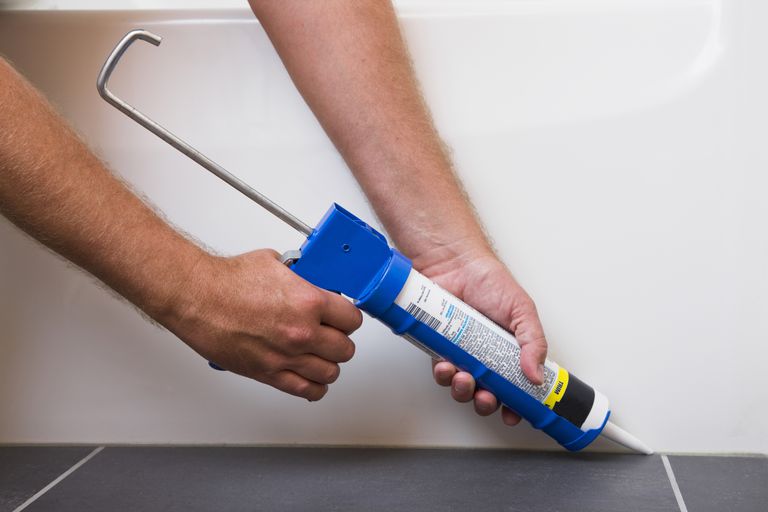
Load the Tube: Place the sealant tube into the caulking gun. Ensure it’s securely seated with the nozzle pointing outwards.
Release the Plunger: Pull the plunger back and engage the trigger to start dispensing the sealant.
4. Applying the Sealant
Apply Even Pressure: Hold the caulking gun at a consistent angle and apply steady pressure to the trigger. Move the gun smoothly along the joint, maintaining a continuous bead of sealant.
Smooth the Bead: Immediately after applying the sealant, use a smoothing tool or a wet finger to smooth out the bead. This helps to push the sealant into the gap and creates a clean finish.
5. Finishing Touches
Remove Masking Tape: If you used masking tape, remove it before the sealant starts to set to ensure clean lines.
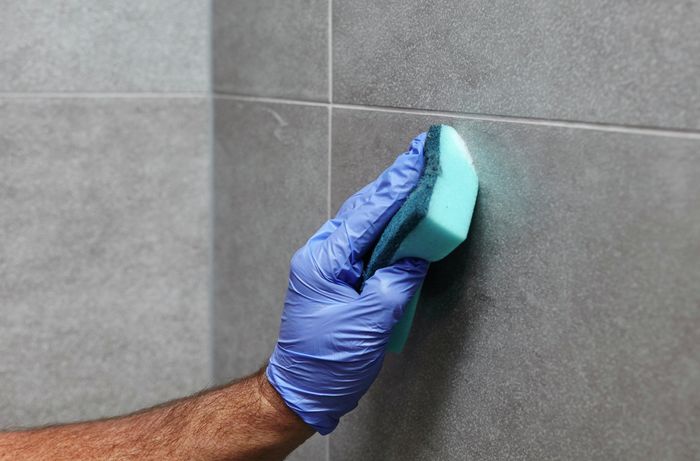
Clean Up: Wipe away any excess sealant with a rag before it cures. For silicone and polyurethane sealants, use mineral spirits for cleanup. For acrylic sealants, water is usually sufficient.
Tips and Tricks for Perfect Sealant Application
Here are some expert tips to help you achieve the best results with your sealant application:
Use Quality Sealant
Investing in high-quality sealant pays off in the long run. Products from reputable brands offer better adhesion, flexibility, and durability.
Practice Makes Perfect
If you’re new to applying sealant, practice on a scrap piece of material before working on your actual project. This helps you get a feel for the caulking gun and control the bead size.
Work in Sections
For larger projects, work in manageable sections to ensure the sealant doesn’t begin to set before you have a chance to smooth it out.
Avoid Overfilling
Apply just enough sealant to fill the gap. Overfilling can lead to a messy finish and wasted product.
Use Masking Tape for Clean Lines
Masking tape is invaluable for creating straight, clean lines, especially when working with visible areas. Apply tape along both sides of the joint, apply the sealant, smooth it, and remove the tape before the sealant cures.
Keep the Nozzle Clean
Wipe the nozzle regularly during application to prevent buildup, which can lead to uneven application.
Common Sealant Application Mistakes to Avoid
Even seasoned DIYers can make mistakes. Here are some common pitfalls to watch out for:
Skipping Surface Preparation
Applying sealant to dirty or greasy surfaces prevents proper adhesion, leading to premature failure.
Incorrect Nozzle Size
Cutting the nozzle too large or too small can result in an uneven bead. Ensure the nozzle size matches the gap you're sealing.
Inconsistent Application
Applying sealant in an uneven or interrupted manner can cause weak spots. Maintain a steady hand and consistent pressure.
Ignoring Cure Times
Each type of sealant has a specific cure time. Rushing the process can compromise the seal. Follow the manufacturer’s instructions for the best results.
Specialty Applications
Different projects may require specific techniques or types of sealant:
Silicone Sealant for Windows
When sealing windows, use a high-quality silicone sealant designed for exterior use. It provides excellent weather resistance and flexibility to accommodate window movement. Apply the sealant around the window frame where it meets the wall, ensuring a continuous bead to prevent water infiltration.
Polyurethane Sealant for Construction
For construction projects, polyurethane sealant is ideal for sealing joints between different materials, such as wood and concrete. Its strong adhesive properties ensure a long-lasting bond. Apply it in expansion joints, perimeter joints, and where structural integrity is crucial.

Advanced Tips for DIY Sealant Application
As you gain confidence and experience in applying sealant, you may want to explore advanced techniques and considerations to ensure your projects are of the highest quality. Here are some additional tips to further refine your skills:
Temperature and Humidity Considerations
Ideal Conditions: The best temperature range for applying most sealants is between 40°F and 80°F (4°C to 27°C). Avoid extreme temperatures as they can affect the sealant's consistency and curing time. High humidity can also extend the curing process, so be mindful of weather conditions.
Handling Cold Weather: If you must apply sealant in colder weather, store the sealant tubes at room temperature before use to ensure they remain workable. Polyurethane sealants are generally more tolerant of lower temperatures than silicone or acrylic sealants.
Specialty Nozzles and Applicators
Precision Nozzles: For detailed work, such as sealing intricate joints or applying a fine bead, consider using precision nozzles. These nozzles allow for better control and a cleaner application.
Battery-Powered Caulking Guns: For large projects, a battery-powered caulking gun can reduce hand fatigue and ensure a more consistent application. These tools offer variable speed settings and automatic pressure release features, making them ideal for professional-quality results.
Custom Mixing Colors
Tintable Sealants: Some acrylic sealants are available in tintable formulas, allowing you to mix custom colors to match your project's aesthetic perfectly. Use a compatible paint or pigment and mix thoroughly according to the manufacturer's instructions.
Pre-Colored Sealants: Pre-colored sealants are available for specific applications, such as matching grout lines or particular siding colors. Using pre-colored sealants can save time and ensure a consistent appearance.
Troubleshooting Common Issues
Even with careful application, issues can arise. Here’s how to troubleshoot and fix common sealant problems:
Air Bubbles in the Sealant
Prevention: To prevent air bubbles, ensure the sealant tube is well-seated in the caulking gun and that you apply steady, even pressure. Avoid stopping and starting frequently, as this can trap air.
Fixing Bubbles: If bubbles do appear, use a pin or needle to pop them immediately after application, then smooth the sealant again. For larger bubbles, it may be necessary to remove the affected section and reapply the sealant.
Uneven Bead Application
Consistent Pressure: Maintain a steady pressure on the caulking gun trigger and move at a consistent speed. Practice on scrap material to perfect your technique.
Using a Smoothing Tool: After applying the sealant, use a smoothing tool or a wet finger to even out the bead. This not only improves the appearance but also ensures better adhesion.
Sealant Not Adhering Properly
Surface Preparation: Improper surface preparation is a common cause of poor adhesion. Make sure the area is thoroughly cleaned and dried before applying the sealant.
Choosing the Right Sealant: Ensure you are using the correct type of sealant for the materials and conditions. For example, silicone sealant is better for non-porous surfaces, while polyurethane sealant works well on porous materials.
Safety Considerations
Before embarking on any DIY project involving sealants, it's essential to prioritize safety. Here are some safety considerations to keep in mind:
Ventilation
Proper Ventilation: Ensure adequate ventilation when working with sealants, especially those with strong odors or high VOC content. Open windows and doors to allow fresh air to circulate and wear a mask if necessary.
Protective Gear
Protective Equipment: Wear gloves and safety glasses to protect your hands and eyes from contact with sealant and any cleaning agents used during preparation and cleanup.
Skin Contact
Avoid Skin Contact: Avoid direct skin contact with sealants, especially polyurethane varieties, which can be difficult to remove once cured. If skin contact occurs, wash the affected area immediately with soap and water.
Sealant Storage and Shelf Life
Proper storage of sealant ensures its longevity and effectiveness. Follow these guidelines to maximize shelf life:
Temperature Control
Store in a Cool, Dry Place: Sealant should be stored in a cool, dry location away from direct sunlight and extreme temperatures. Exposure to heat can accelerate curing, while exposure to cold can affect the sealant's consistency.
Sealant Tubes
Seal Tubes Properly: After use, ensure the sealant tube is tightly sealed to prevent air exposure, which can cause premature curing. Some caulking guns come with built-in puncture tools and sealant tube caps for this purpose.
Choosing the Right Sealant for Your Project
With a wide range of sealants available on the market, choosing the right one for your project can be daunting. Consider the following factors to make an informed decision:
Compatibility
Material Compatibility: Ensure the sealant is compatible with the materials you're working with. For example, silicone sealant adheres well to glass, metal, and plastic, while polyurethane sealant is better suited for concrete, wood, and metal.
Environmental Factors
Indoor vs. Outdoor Use: Consider whether your project requires indoor or outdoor sealant. Outdoor sealants should be weather-resistant and able to withstand UV exposure and temperature fluctuations.
Application Method
Ease of Application: Some sealants require specialized application methods or tools, while others can be applied with a standard caulking gun. Choose a sealant that aligns with your skill level and available tools.
Final Thoughts
Mastering the art of DIY construction sealant application requires practice, patience, and attention to detail. By following the tips and techniques outlined in this guide, you can achieve professional-quality results in your sealing projects, whether you're sealing windows, doors, or undertaking larger construction endeavors.
Remember to prioritize safety, choose the right sealant for your project, and follow proper application and maintenance procedures. With dedication and perseverance, you can become proficient in the art of sealant application and enhance the durability and aesthetics of your home projects for years to come.