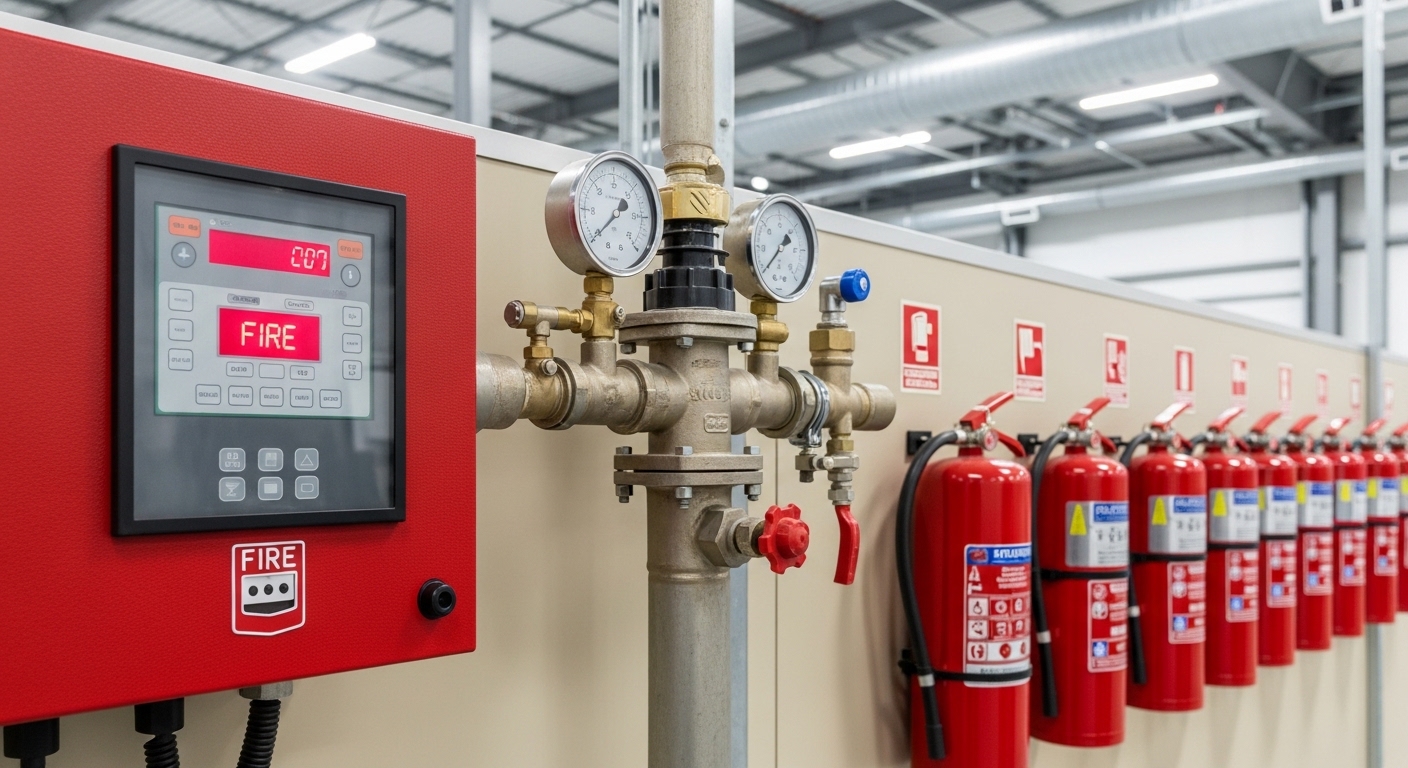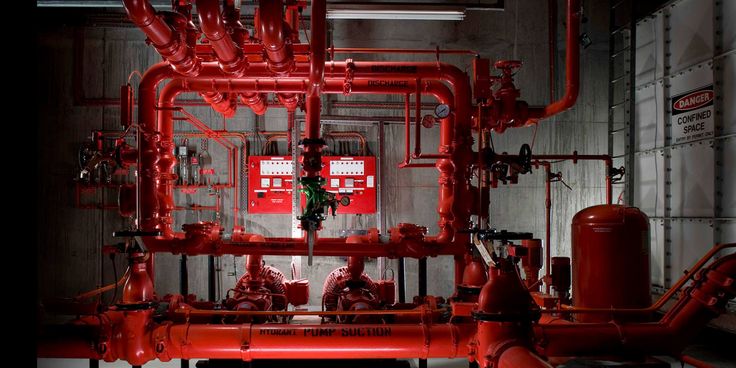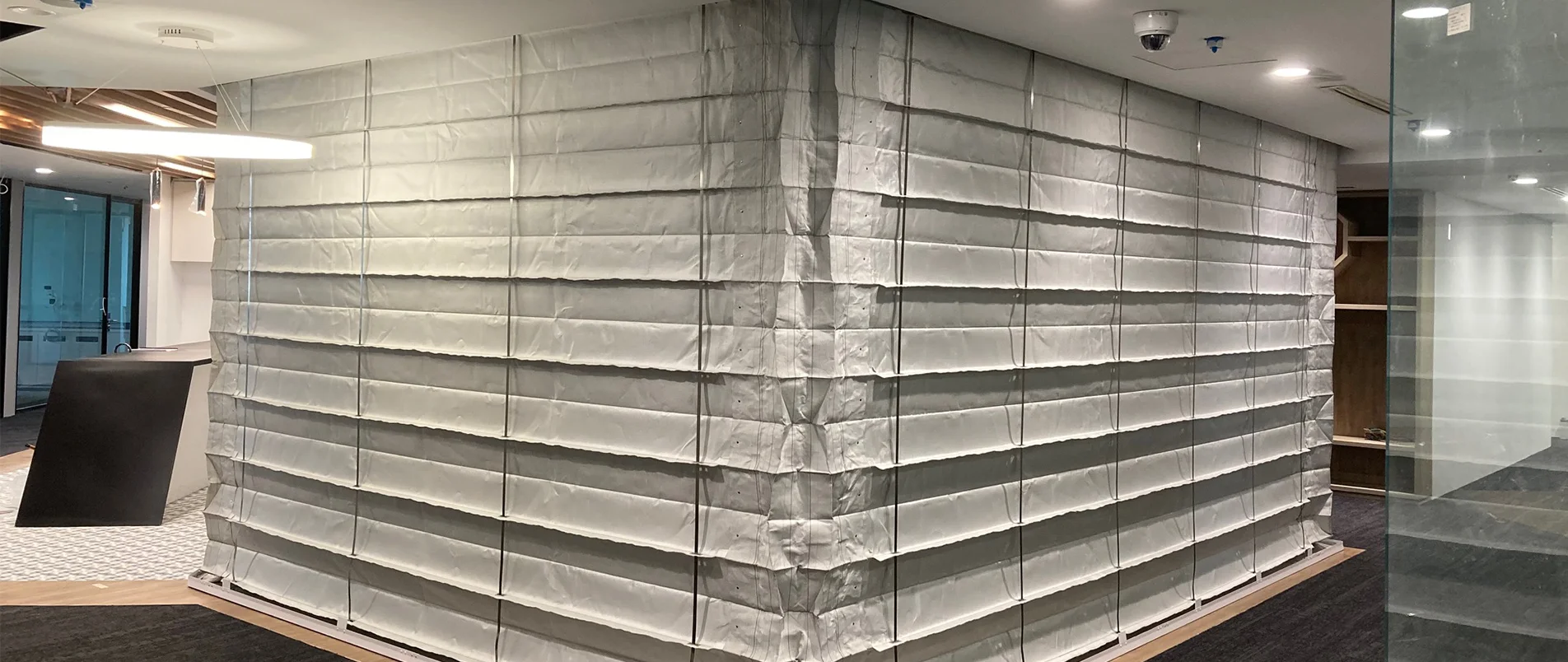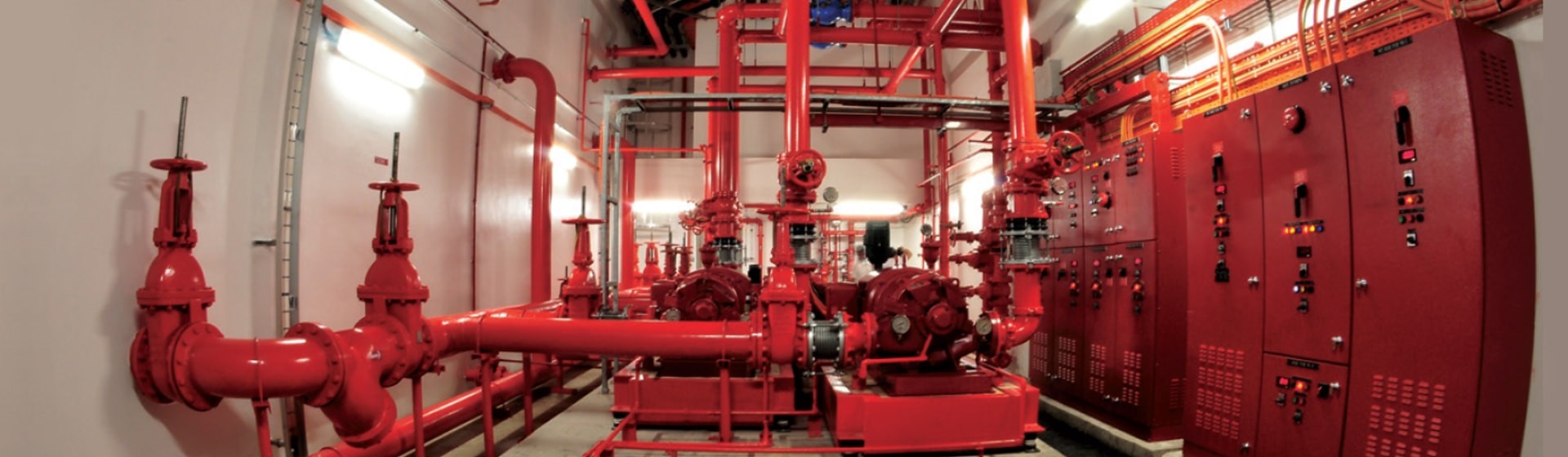
In the realm of fire safety, active fire systems play a critical role in detecting, controlling, and suppressing fires to protect lives and property. These systems utilise various technologies and protocols tailored to specific environments and hasards. Understanding the different types and protocols of active fire systems is essential for ensuring effective fire protection. Here's a closer look:
Fire Detection Systems
Fire detection systems are designed to identify the presence of fire or smoke in its early stages, enabling prompt action to mitigate the risk. There are several types of fire detection systems, including:
- Smoke Detectors: These devices sense the presence of smoke particles in the air and trigger an alarm.
- Heat Detectors: Heat detectors activate when a certain temperature threshold is exceeded, indicating the presence of fire.
- Flame Detectors: Flame detectors use sensors to detect the unique radiation emitted by flames, providing early warning of fire.
Fire Alarm Systems
Fire alarm systems are integral to alerting occupants of a building to the presence of fire or other emergencies. These systems typically include:
- Audible Alarms: Sirens, horns, or bells sound to alert occupants to evacuate the premises.
- Visual Alarms: Strobe lights or flashing beacons provide visual cues, especially for individuals with hearing impairments.
- Remote Monitoring: Some fire alarm systems are equipped with remote monitoring capabilities, allowing authorities to receive alerts and respond swiftly to emergencies.
Automatic Suppression Systems
Automatic suppression systems are designed to control or extinguish fires automatically without the need for human intervention. Common types of automatic suppression systems include:
- Sprinkler Systems: Sprinkler systems release water or other fire-suppressing agents when triggered by heat, rapidly controlling the spread of fire.
- Gaseous Suppression Systems: These systems use inert gases or chemical agents to suppress fires by reducing oxygen levels or interfering with the combustion process.
- Foam Systems: Foam suppression systems blanket the fuel surface, smothering the fire and preventing reignition.
Fire Suppression Protocols
Effective fire suppression relies on established protocols and procedures to ensure swift and coordinated action. Key elements of fire suppression protocols include:
- Alarm Response: Prompt response to fire alarms, including evacuation procedures and notification of emergency services.
- Firefighting Tactics: Training in firefighting techniques, including use of fire extinguishers, hose lines, and other equipment.
- Coordination: Coordination among occupants, emergency responders, and building management to facilitate an effective response.
- Post-Fire Assessment: Evaluation of the effectiveness of suppression efforts and identification of lessons learned for future improvement.
Maintenance and Testing
Regular maintenance and testing are essential to ensure the reliability and functionality of active fire systems. This includes:
- Inspections: Routine inspections to check for damage, obstructions, or other issues that could impair system performance.
- Testing: Regular testing of detectors, alarms, and suppression systems to verify proper operation.
- Maintenance: Timely repair or replacement of components as needed to keep the system in optimal condition.
In conclusion, active fire systems encompass a range of technologies and protocols aimed at detecting, alerting, and suppressing fires effectively. By understanding the types of systems available and adhering to best practices in implementation and maintenance, organisations can enhance fire safety and protect occupants and assets from the devastating impact of fire.