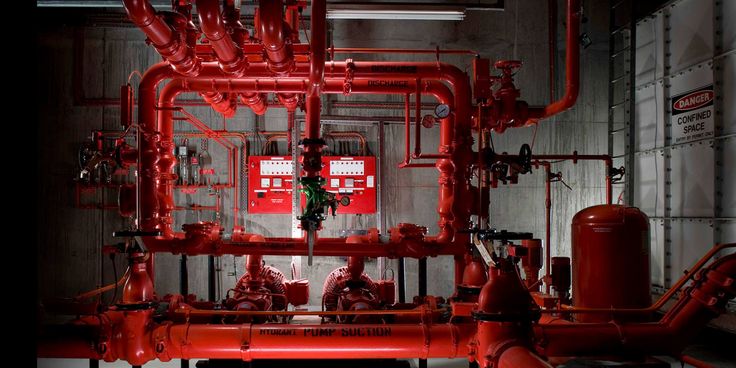
Fire safety is a critical consideration for residential, commercial and industrial properties across Australia. As buildings become more complex and occupancy levels increase, reliance on active fire systems has grown significantly. These systems are designed to detect, control and suppress fire incidents quickly, helping to protect lives, assets and structural integrity.
What Are Active Fire Systems and How Do They Function?
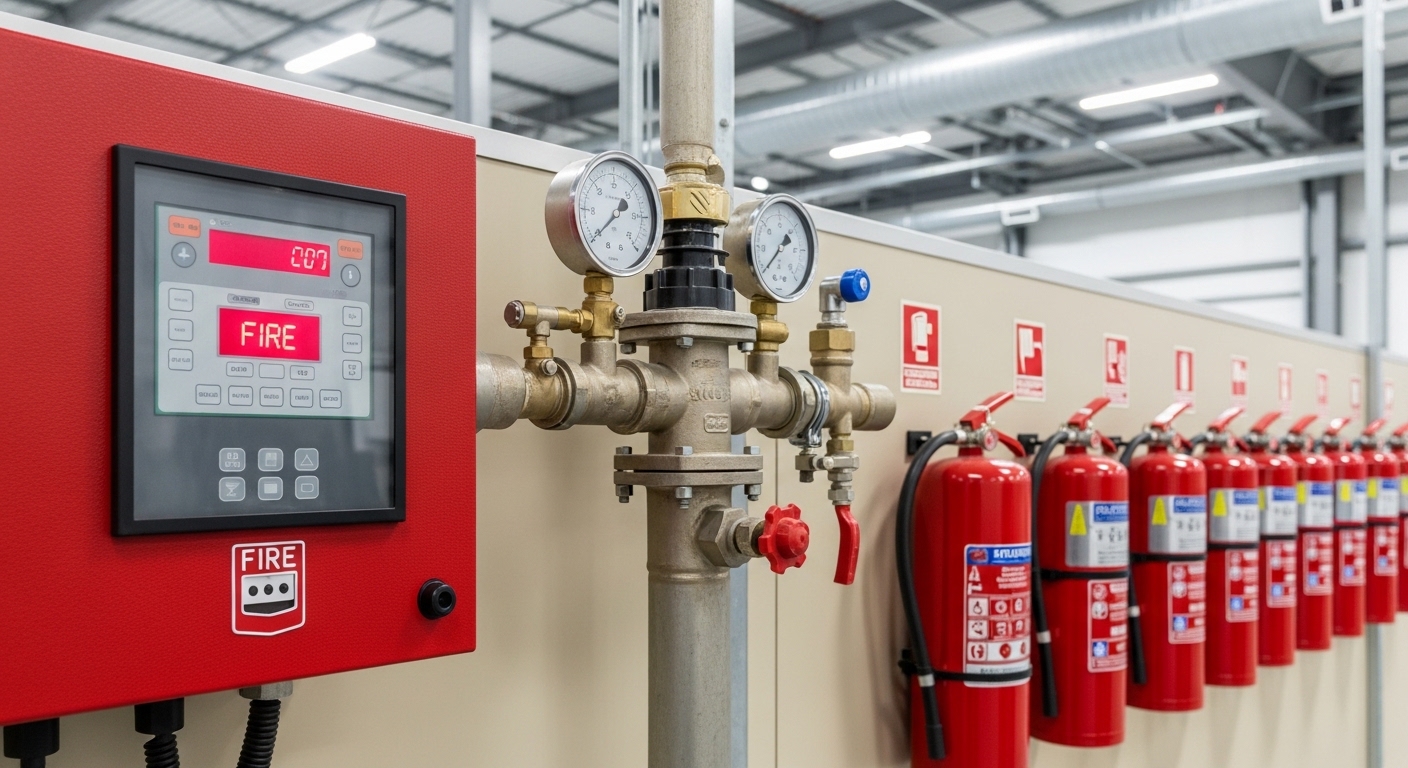
Active fire systems refer to fire protection measures that require action or movement to operate during a fire event. Unlike passive measures that simply contain fire, these systems actively respond by detecting heat, smoke or flames and initiating suppression or warning mechanisms. Common examples include fire sprinklers, fire alarms, smoke detectors, hose reels and fire extinguishers. Together, they form a coordinated network that responds immediately when a fire risk is detected.
Why Are Early Detection and Rapid Response So Important?
One of the most critical advantages of active fire systems is their ability to identify a fire in its early stages. Smoke detectors and alarm systems provide instant alerts, allowing occupants to evacuate safely and emergency services to respond faster. Early detection significantly reduces the spread of fire, minimises damage and lowers the risk of injury or loss of life. In high-occupancy buildings, this rapid response can be lifesaving.
How Do Fire Suppression Systems Limit Property Damage?
Fire suppression components such as sprinklers and fire hose reels are designed to control or extinguish flames before they escalate. Automatic sprinkler systems activate individually, targeting only affected areas and reducing water damage compared to manual firefighting. Active fire systems help contain fire to a limited zone, protecting surrounding areas and critical infrastructure.
Are Active Fire Systems Required to Meet Australian Standards?
Compliance with Australian fire safety regulations is essential for most buildings. Active fire systems must be designed, installed and maintained in accordance with relevant Australian Standards and local council requirements. Regular inspections and testing are mandatory to ensure reliability. Properly maintained systems not only support compliance but also reduce liability risks for property owners and managers.
How Does Ongoing Maintenance Affect System Reliability?
Even the most advanced fire system can fail if it is not maintained correctly. Routine servicing ensures that alarms function properly, sprinklers remain unobstructed and control panels operate as intended. Scheduled maintenance also helps identify wear, corrosion or faults early, preventing system failure during an emergency. Professional servicing plays a key role in keeping active fire systems ready at all times.
Can Active Fire Systems Be Integrated with Other Safety Measures?
Modern buildings often integrate active fire systems with access control, emergency lighting and evacuation systems. This integration improves coordination during emergencies and supports efficient evacuation procedures. Advanced systems may also include monitoring capabilities, allowing faults or activations to be reported instantly to building managers or emergency responders.
Conclusion
Active fire systems are an essential component of comprehensive fire safety planning. Through early detection, rapid response and effective suppression, they help protect lives, reduce property damage and support regulatory compliance. When professionally installed and regularly maintained, active fire systems provide dependable protection and long-term peace of mind for building owners and occupants alike.
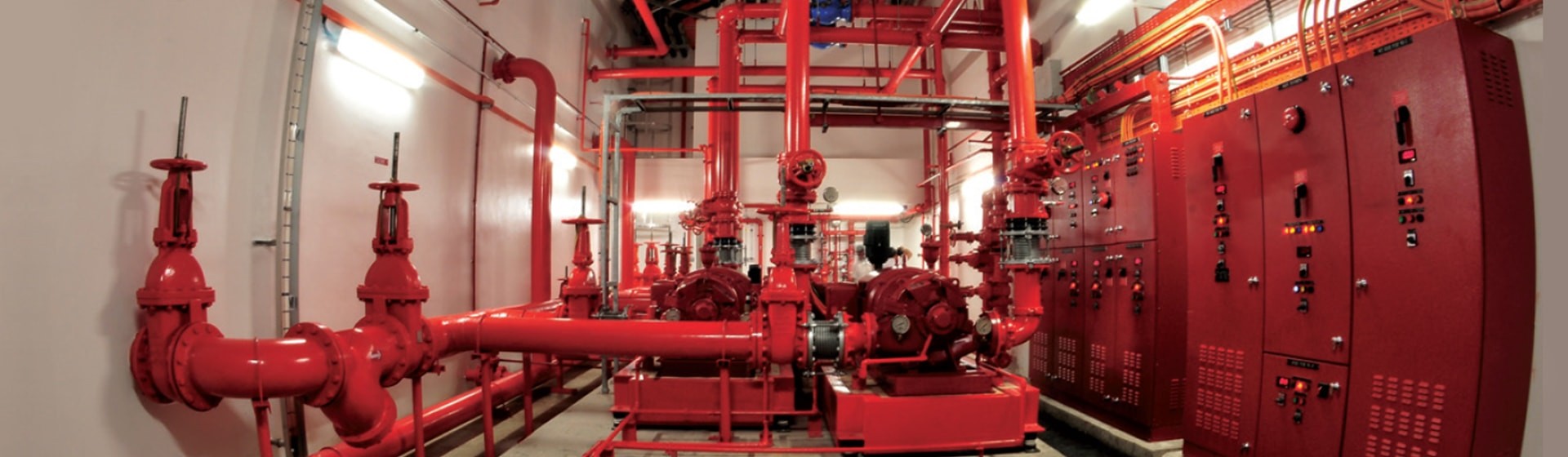
In the realm of fire safety, active fire systems play a critical role in detecting, controlling, and suppressing fires to protect l