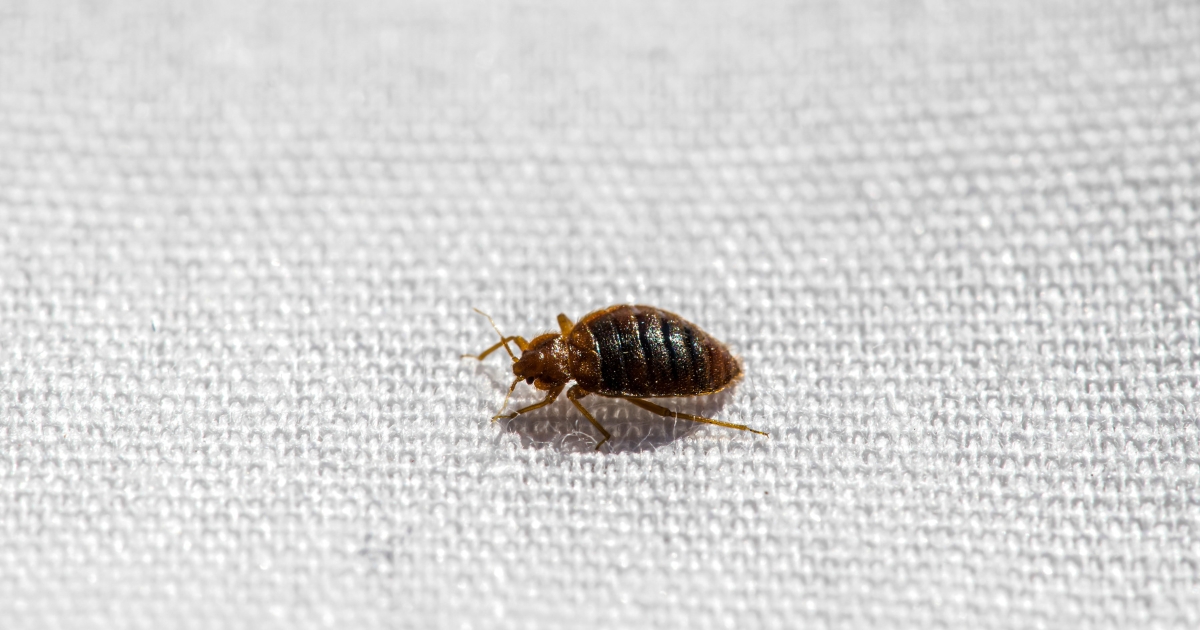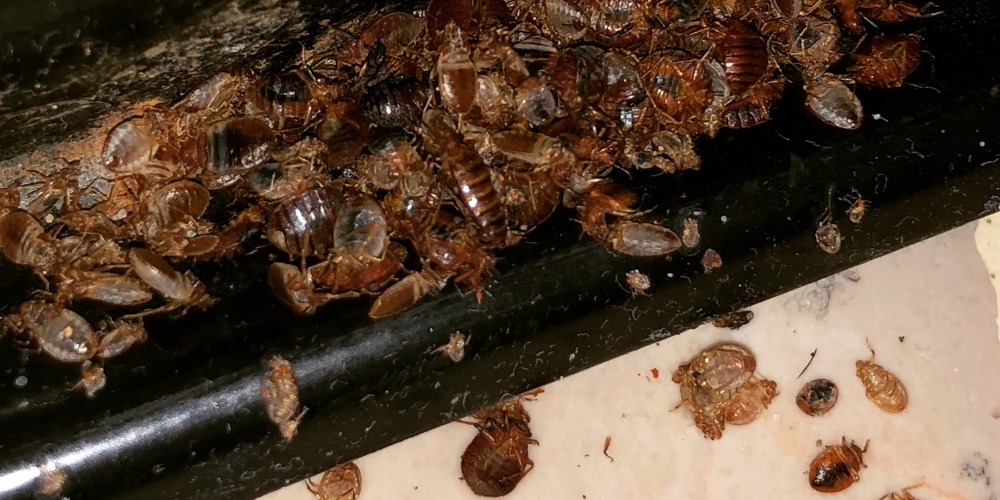


Bed bugs are a persistent problem, causing discomfort and distress in homes worldwide. While chemical pesticides are often the go-to solution for many, there's a growing interest in natural bed bug killers. The question is, can these natural remedies really work? Let's delve into this topic to understand their effectiveness, pros, and cons.
Understanding Natural Bed Bug Killers
Natural bed bug killers typically include ingredients derived from plants or minerals. Common natural remedies include diatomaceous earth, essential oils (like tea tree oil, lavender, and peppermint), and homemade solutions using ingredients such as vinegar and baking soda.
Diatomaceous Earth: This fine powder, made from fossilized aquatic organisms, is one of the most popular natural remedies. It works by absorbing the oils and fats from the insect’s exoskeleton, causing them to dehydrate and die.
Essential Oils: Oils like tea tree, lavender, and peppermint have insecticidal properties. These oils can kill bed bugs on contact and act as repellents. They are often used in sprays or diffused in infested areas.
Homemade Solutions: Common household items such as vinegar and baking soda are also used in bed bug control. Vinegar can kill bed bugs on contact, while baking soda is believed to dehydrate them.
The Effectiveness of Natural Bed Bug Killers
While natural bed bug killers can be effective, their success largely depends on the severity of the infestation and the thoroughness of the application.
Diatomaceous Earth: This is highly effective in killing bed bugs, but it works slowly. It needs to be applied in areas where bed bugs are likely to travel, such as along baseboards, behind furniture, and around bed frames. It's not an instant solution but can be a part of an integrated pest management approach.
Essential Oils: These oils can kill bed bugs on direct contact. However, their repellent properties might cause bed bugs to scatter, making them harder to eliminate completely. Moreover, essential oils need to be applied frequently and in significant quantities to maintain their effectiveness.
Homemade Solutions: Vinegar and baking soda can kill bed bugs on contact, but they are less effective in large infestations. These remedies often require repeated applications and work best as supplementary treatments rather than primary solutions.
Pros and Cons of Natural Bed Bug Killers
Pros:
- Safety: Natural bed bug killers are generally safer for humans and pets compared to chemical pesticides.
- Eco-friendly: They are environmentally friendly and do not contribute to chemical pollution.
- Cost-effective: Many natural remedies are inexpensive and readily available.
Cons:
- Slower Action: Natural remedies often take longer to work compared to chemical pesticides.
- Less Potent: They may not be as effective in severe infestations and often require multiple applications.
- Repellent Effect: Some natural remedies can repel rather than kill bed bugs, causing them to spread to other areas.
Conclusion
Natural bed bug killers can be effective, but they are generally best suited for mild to moderate infestations and as part of a broader pest management strategy. For severe infestations, natural remedies alone may not suffice, and it might be necessary to use them in conjunction with other methods, such as heat treatments or professional pest control services.
Ultimately, the success of natural bed bug killers depends on consistent and thorough application. They offer a safer, eco-friendly alternative to chemical pesticides, making them an appealing option for those concerned about the health and environmental impacts of traditional pest control methods. However, patience and persistence are key, as natural remedies often take longer to deliver results.