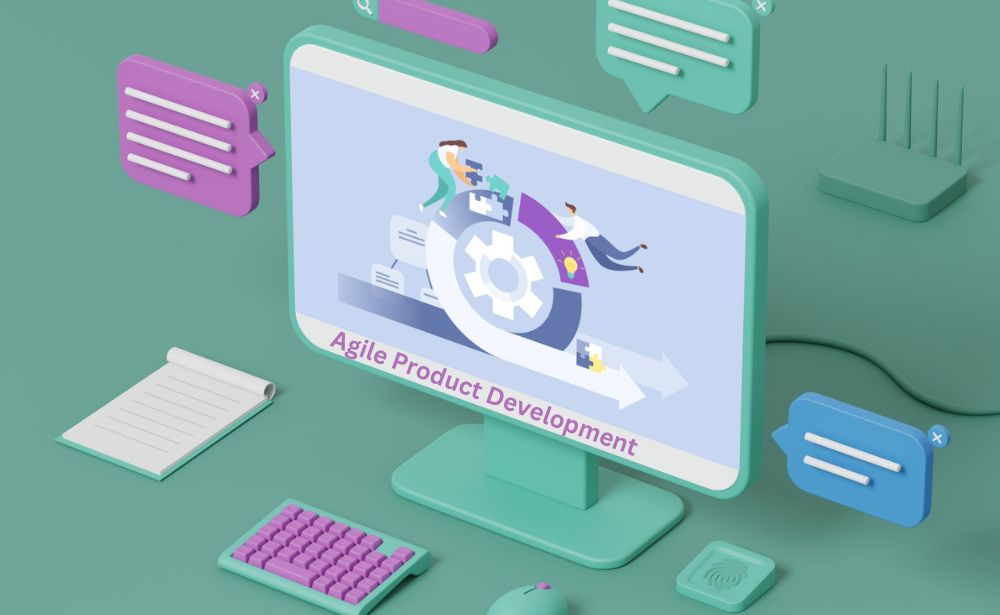
In the fast-paced world of product development, agility and innovation are key to staying competitive. Agile product development offers a framework that emphasizes flexibility, collaboration, and customer-centricity, enabling teams to rapidly adapt to changing market needs and technological advancements. This blog will explore best practices for leveraging Agile methodologies to drive rapid innovation in product development.
Understanding Agile Product Development
Agile product development is an iterative and incremental approach that focuses on delivering value to customers through continuous improvement and flexibility. Unlike traditional development models, Agile promotes short development cycles called sprints, frequent reassessment of project goals, and close collaboration with stakeholders.
Key Principles of Agile Product Development
- Customer Collaboration Over Contract Negotiation: Agile prioritizes customer involvement throughout the development process, ensuring that the product meets their needs and expectations.
- Responding to Change Over Following a Plan: Agile teams embrace changes in requirements, even late in development, to maximize customer satisfaction and market relevance.
- Individuals and Interactions Over Processes and Tools: Agile emphasizes the importance of effective communication and collaboration among team members and stakeholders.
- Working Product Over Comprehensive Documentation: Agile focuses on delivering functional products in short iterations, providing value to customers as early as possible.
Best Practices for Rapid Innovation
Embrace a Customer-Centric Approach
Customer feedback is crucial for Agile product development. Involve customers early and often in the development process to gather insights and validate assumptions. Regularly solicit feedback through user testing, surveys, and direct interactions to ensure the product aligns with customer needs and expectations.
Foster a Collaborative Culture
Encourage open communication and collaboration among team members. Agile teams thrive in environments where individuals can freely share ideas, challenge assumptions, and work together to solve problems. Use collaborative tools like Slack, Trello, and Jira to facilitate communication and project management.
Implement Continuous Integration and Continuous Delivery (CI/CD)
CI/CD practices enable Agile teams to deliver high-quality products quickly and efficiently. By automating the build, test, and deployment processes, teams can detect and address issues early, reducing the risk of costly errors and delays. This approach also allows for frequent releases, providing customers with new features and improvements regularly.
Conduct Regular Retrospectives
After each sprint, hold a retrospective meeting to reflect on what went well, what didn’t, and how the team can improve. This practice fosters a culture of continuous learning and improvement, enabling teams to adapt and evolve their processes to better meet project goals.
Prioritize the Product Backlog
The product backlog is a prioritized list of features, enhancements, and bug fixes that need to be addressed. Regularly review and prioritize the backlog to ensure that the most valuable items are tackled first. This helps the team stay focused on delivering the highest value to customers.
Utilize Agile Metrics
Use metrics such as velocity, sprint burndown charts, and cumulative flow diagrams to track progress and identify bottlenecks. These metrics provide valuable insights into the team’s performance and help inform decisions to improve efficiency and effectiveness.
Common Challenges and Solutions
Resistance to Change
Teams may resist adopting Agile practices due to comfort with traditional methods. To overcome this, provide training and support to help team members understand the benefits of Agile and how it can improve their workflow.
Maintaining Quality
Rapid development cycles can sometimes lead to compromised quality. Implementing robust testing practices and CI/CD pipelines can help maintain high standards while delivering products quickly.
Scope Creep
Uncontrolled changes in project scope can derail progress. Use techniques like timeboxing and strict backlog prioritization to manage scope and ensure the team remains focused on delivering core functionalities.
Conclusion
Agile product development is a powerful approach for driving rapid innovation and delivering customer value. By embracing a customer-centric mindset, fostering collaboration, implementing CI/CD, conducting regular retrospectives, prioritizing the product backlog, and utilizing Agile metrics, teams can navigate the complexities of product development and achieve remarkable results. Embrace these best practices to unlock the full potential of Agile and stay ahead in the competitive landscape of product development.


Project managers (PMs) each year face challenges to bring projects through to a successful completion. The year 2015 will be no different from in years past as far as this is concerned. Trends for this year within this field will include a continuation of some of the same tools popular in 2014, but with a bit more emphasis on other tools and innovations. Project managers as usual will need to be flexible enough to embrace these trends where necessary to improve their success rate. We provide you with some of the trends we see being important in the following information.