The Fascinating World of Storm Glass: Predicting Weather with Elegance
In an age dominated by digital technology and sophisticated meteorological instruments, the storm glass stands out as a captivating blend of art and science. This enigmatic weather forecasting instrument, which dates back to the early 19th century, offers both aesthetic appeal and a window into the past methods of weather prediction. Whether you're a weather enthusiast, a science buff, or simply someone who appreciates unique decor, a storm glass is a fascinating addition to any collection.
What is a Storm Glass?
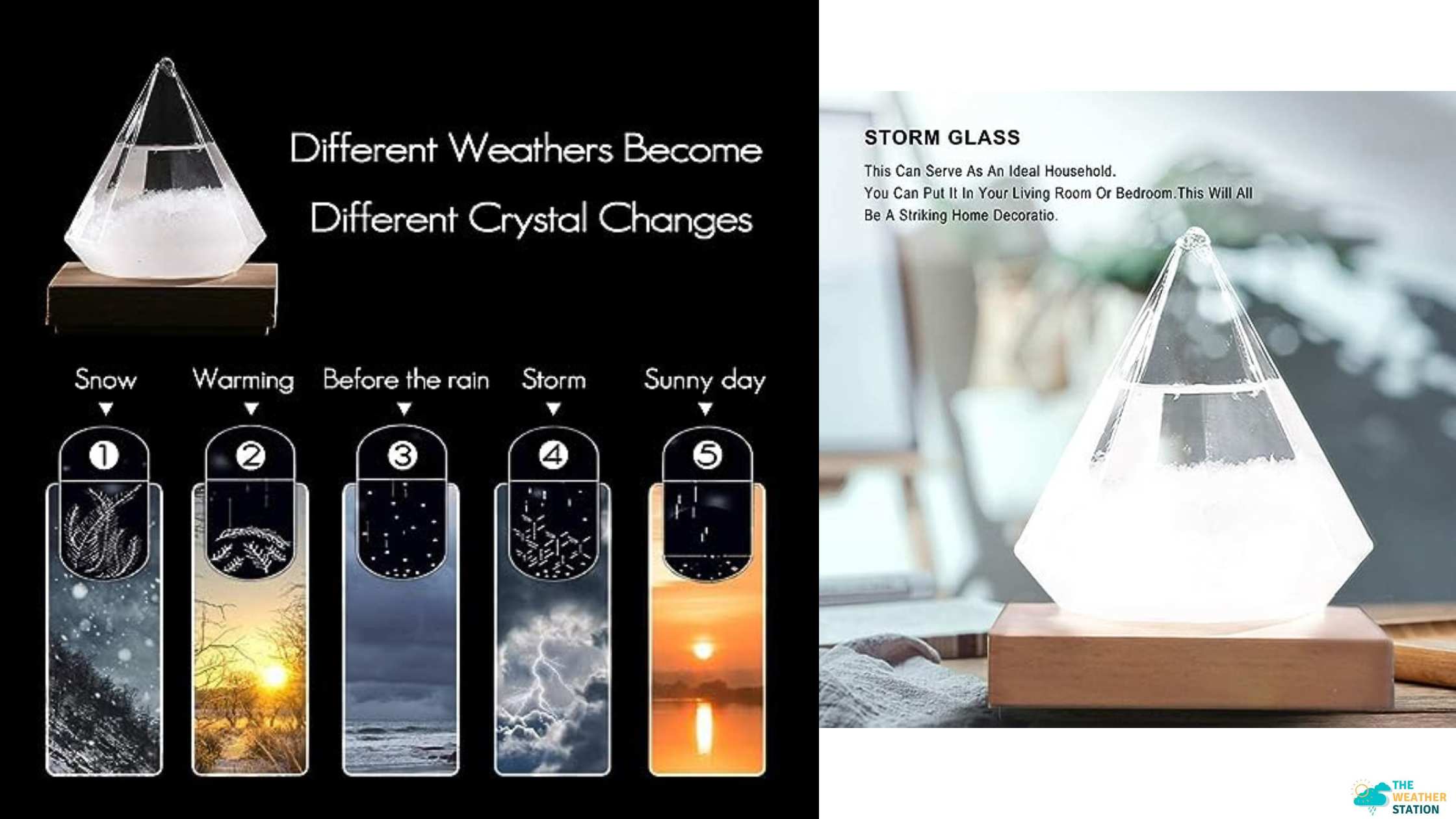
A storm glass is a sealed glass container filled with a mixture of chemicals, typically including distilled water, ethanol, potassium nitrate, ammonium chloride, and camphor. The instrument is designed to predict weather changes based on the formation and dissolution of crystals within the liquid. Depending on the ambient conditions, the crystals inside the storm glass will change their shape and pattern, allegedly correlating with upcoming weather changes.
Historical Background
The invention of the storm glass is often attributed to Admiral Robert FitzRoy, a British naval officer and meteorologist best known for his role as the captain of HMS Beagle during Charles Darwin’s famous voyage. FitzRoy promoted the use of storm glasses in the 1850s, believing they could help predict weather changes at sea. Although the scientific basis for their accuracy has been questioned, storm glasses became popular for their intriguing and visually appealing nature.
How Does a Storm Glass Work?
The workings of a storm glass are a bit of a mystery, and their effectiveness is a subject of debate. The theory is that changes in temperature and pressure affect the solubility of the chemicals inside, causing them to crystallize in different ways. Here are some general interpretations of the crystal formations:
- Clear Liquid: Fair weather.
- Cloudy Liquid: Cloudy weather or high humidity.
- Small Dots in Liquid: Humid or foggy weather.
- Clouds and Small Stars: Thunderstorms.
- Large Flakes or Stars: Snow is coming.
- Threads near the Top: Windy weather.
Despite these general guidelines, modern scientific studies suggest that storm glasses are not reliable predictors of weather. Their primary appeal lies more in their aesthetic and historical value than their meteorological accuracy.
The Appeal of Storm Glasses Today
Aesthetic Value: Storm glasses are often crafted with elegance, making them beautiful decorative pieces. The changing patterns of the crystals inside create a dynamic display that can be mesmerizing to watch.
Educational Tool: For educators and parents, storm glasses offer a hands-on way to teach basic principles of chemistry and weather prediction. They can stimulate curiosity and encourage discussions about historical weather forecasting methods and the science behind solubility and crystallization.
Historical Interest: Owning a storm glass connects you to a piece of meteorological history. It serves as a reminder of the ingenuity of early scientists and their quest to understand and predict the natural world.
Unique Gifts: A storm glass makes for a unique and thoughtful gift, especially for those who have an interest in science, history, or unique home decor. Its blend of function and form makes it a conversation starter and a cherished piece.
Caring for Your Storm Glass
To ensure your storm glass remains a beautiful and functional piece, it requires minimal care:
- Placement: Keep your storm glass in a place where it won’t be exposed to direct sunlight or extreme temperatures, as this can affect the chemical reactions inside.
- Cleaning: Wipe the exterior with a soft cloth to keep it clean and dust-free. Avoid shaking the glass excessively, as this can disturb the chemical mixture.
Conclusion
The storm glass is a charming and enigmatic instrument that beautifully bridges the gap between science and art. While its accuracy as a weather predictor may be questionable, its value as a historical artifact and decorative piece is undeniable. Whether you're looking to add a touch of elegance to your home or explore a piece of meteorological history, a storm glass is a fascinating choice. Embrace the mystery and beauty of this unique instrument, and let it inspire curiosity and conversation in your home.
But still, most people are in the category who are buying the storm glass Uk just because of their good looking features.
Yes, it is one of the main features but there are many more that are left out there.
Knowledge is the main thing which drives craziness among youngsters.
People are trying to understand how it actually works but most of them are fail to understand this.
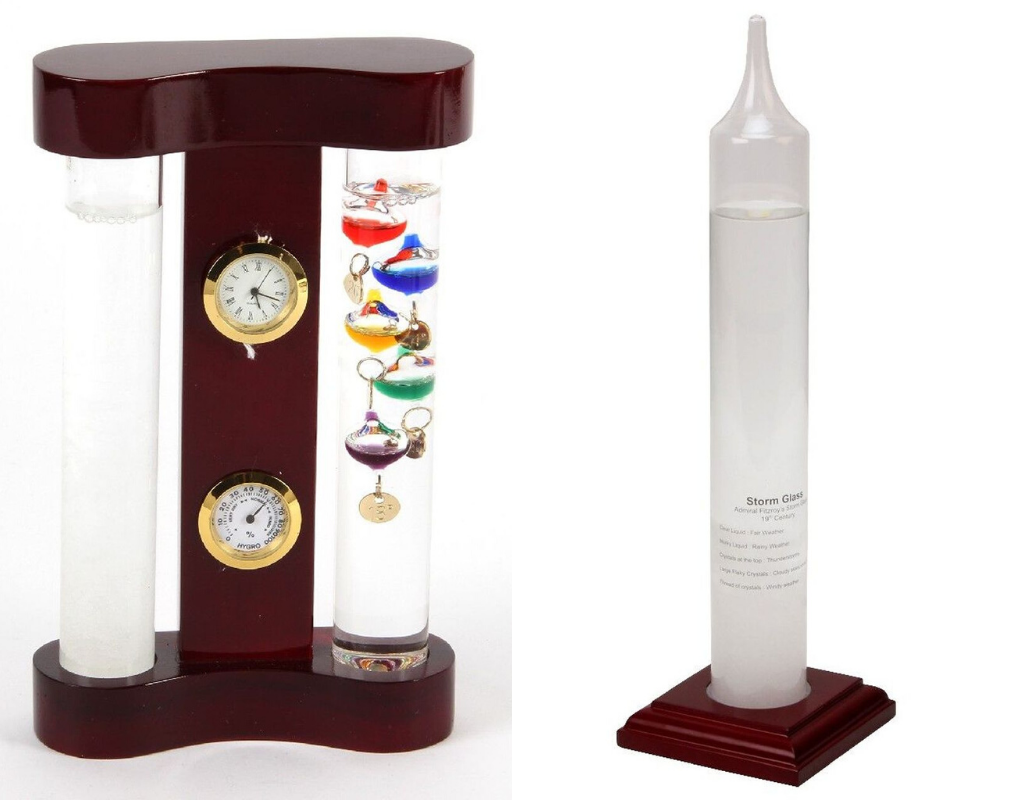
So, why don't we make it easy for you so you can understand the combination of beauty and science.Based on a thermoscope invented by Galileo Galilei in the early 1600s, the thermometer on your co-worker's desk is called a Galileo thermometer.
A simple, fairly accurate thermometer, today it is mostly used as decoration.