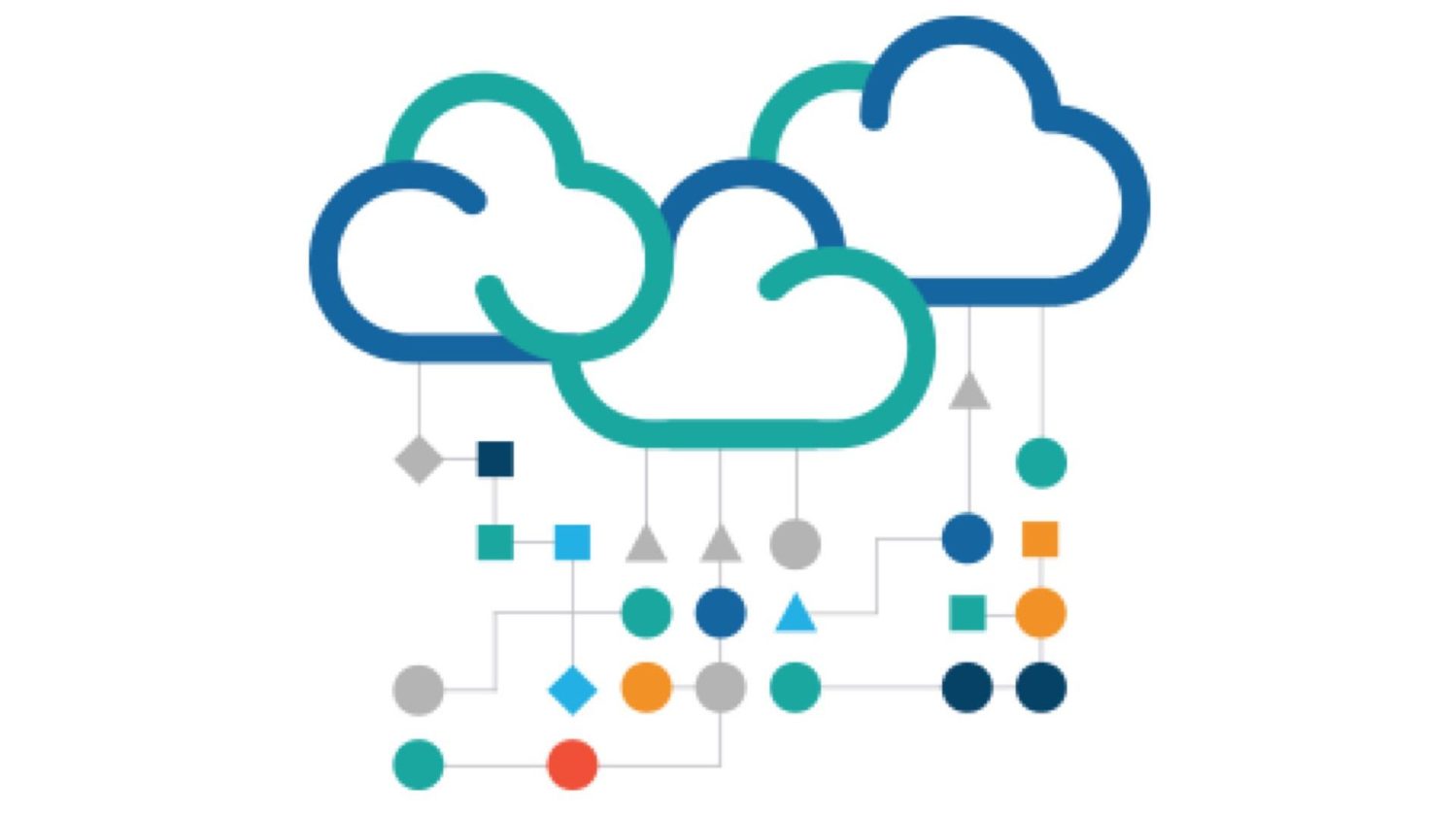
This approach allows businesses to avoid vendor lock-in, distribute workloads, and access a broader range of services tailored to their requirements. In this article, we'll explore the benefits, challenges, and best practices associated with multi-cloud integration.
Benefits of Multi-cloud Integration:
Flexibility and Scalability Multi-cloud integration environments offer unparalleled flexibility and scalability by allowing organizations to select the most suitable cloud services for different applications or workloads. This flexibility enables businesses to adapt quickly to changing demands and scale resources accordingly.
Risk Mitigation: Relying on a single cloud provider exposes organizations to potential risks such as downtime, data breaches, or pricing fluctuations. Multi-cloud integration spreads these risks across multiple providers, reducing the likelihood of a single point of failure and enhancing overall resilience.
Optimized Performance: By distributing workloads across multiple cloud platforms, organizations can optimize performance based on specific requirements. For example, they can leverage the computing power of one provider for processing-intensive tasks while utilizing another provider's storage capabilities for data-intensive workloads.
Cost Optimization: Multi-cloud integration enables organizations to leverage competitive pricing models and take advantage of cost-effective services offered by different providers. Additionally, it allows businesses to avoid vendor lock-in and negotiate favorable terms based on their usage patterns.
Compliance and Data Sovereignty: Certain regulations and compliance requirements may mandate data to be stored or processed in specific geographic locations. Multi-cloud integration provides organizations with the flexibility to comply with these regulations by leveraging cloud services from providers with data centers in different regions.
Challenges of Multi-cloud Integration:
Complexity: Managing multiple cloud environments introduces complexity in terms of monitoring, governance, and resource orchestration. Organizations must invest in robust management tools and skilled personnel to effectively navigate the complexities of multi-cloud environments.
Interoperability: Ensuring seamless interoperability between different cloud platforms can be challenging due to variations in APIs, data formats, and service architectures. Integration efforts may require custom development or the use of third-party middleware solutions to facilitate communication and data exchange.
Data Security: Securing data across multiple cloud environments requires comprehensive security measures to protect against threats such as unauthorized access, data breaches, and insider attacks. Organizations must implement encryption, access controls, and monitoring mechanisms to safeguard sensitive information.
Vendor Lock-in Risk: While multi-cloud integration mitigates vendor lock-in to some extent, organizations must be cautious of becoming too dependent on specific cloud services or proprietary technologies. Striking the right balance between leveraging cloud provider capabilities and maintaining portability is essential to avoid long-term vendor lock-in.
Cost Management: Managing costs effectively in a multi-cloud environment can be challenging due to billing discrepancies, variable pricing models, and resource sprawl. Organizations must implement robust cost management practices, such as monitoring usage, optimizing resource allocation, and leveraging cost analysis tools provided by cloud providers.
Best Practices for Multi-cloud Integration:
Define Clear Objectives: Clearly define your business objectives, technical requirements, and performance criteria to determine the most suitable cloud services and integration strategies.
Implement Consistent Governance: Establish consistent governance policies and procedures to ensure compliance, security, and performance across all cloud environments.
Adopt Standardized Interfaces: Embrace standardized interfaces and interoperability protocols to facilitate seamless integration and data exchange between different cloud platforms.
Automate Deployment and Management: Leverage automation tools and DevOps practices to streamline deployment, provisioning, and management tasks across multiple cloud environments.
Monitor Performance and Costs: Implement robust monitoring and cost management solutions to track performance metrics, identify bottlenecks, and optimize resource utilization while controlling expenses.



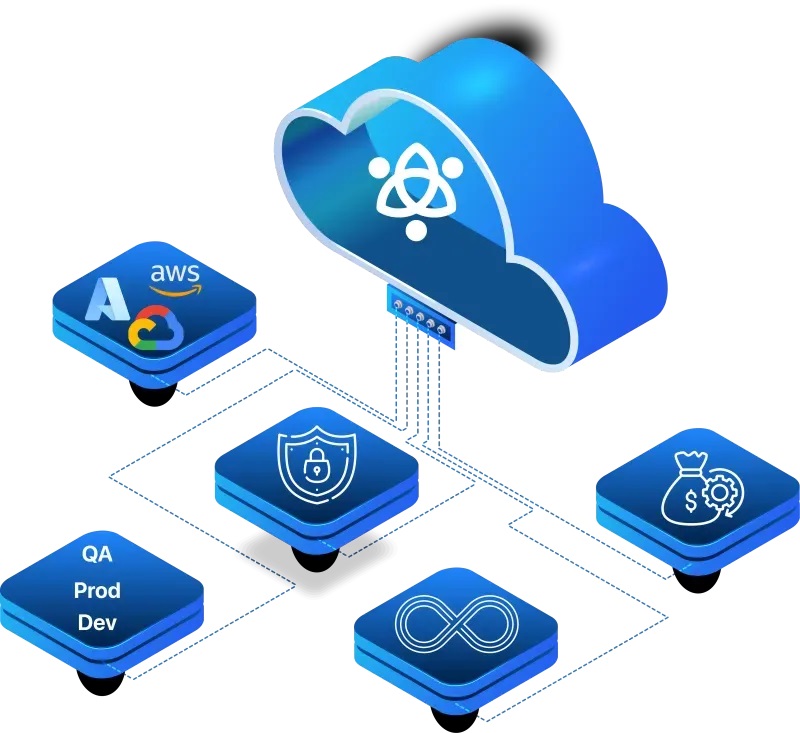

According to the new market research report by IndustryARC titled “Cloud Integration Market: By Deployment Model(Private, Public & Hybrid Clouds) Integration(Cloud to Cloud, Cloud to On-premise, Others) End-users(Large, Small & Medium Enterprises) Industry(Supply Chain, Manufacture, IT, Logistics, Transportation, Healthcare, Others)-Forecast (2018-2023)“, the market revenue is estimated to grow from $594 Million in 2017 to $1.286 Billion by 2023, at a CAGR of 16.7% during the forecast period.Cloud integration platform has made the processes or services integration critical for a sustainable future for any involved stakeholder in the market.Cloud integration solutions that are entitled to be utilized in commercial entity or business organization,is a collection of various activities whose purpose is to provide dedicated requirement.The market for IT services in recent years has become highly competitive, not merely because of the existence of several numbers of service providers, but due to the expectations of customers to test and evaluate the new services instantaneously.
This call for a platform where new applications can be developed, tested and launched rapidly, thus creating a robust demand for cloud hosting.America & Asia-Pacific continues to lead the market share and growth during 2018-2023:North America solution providers have seen the large scale adoption of cloud based technologies across industries,which will bolster the use of silicon photonics in data centers as they are a more efficient and cost-effective technology.
Cloud Automation Manager will help deploy these applications on-premises or in a cloud of choice.• Emergence of Internet of Things (IoT) has caused the creation of new business applications focused around IoT and drive a shift in designing practices of these applications.
Small and Medium Enterprises (SMEs)• Cloud Integration Market By Industry Vertical:1.
Others • Cloud Integration Market By Geography ( Covers 15+ Countries ) • Cloud Integration Market Entropy• Company Profiles • Appendix: Abbreviations, Sources, Research Methodology, Bibliography, Compilation of Experts, Disclaimer.
Revenue and Volume AnalysisFrequently Asked Questions (FAQ):Does IndustryARC provide customized reports and do you charge additionally for limited customization?Yes, we can customize the report by extracting data from our database of reports and annual subscription databases.