Introduction
SIAM Professional Certification is a globally recognized credential that validates an individual's expertise and proficiency in Service Integration and Management (SIAM) practices. Designed for professionals working in the IT service management field, SIAM Professional Certification offers a comprehensive understanding of the SIAM framework, roles, responsibilities, and governance models. This blog post will delve into the key aspects of SIAM Professional Certification, including the concepts of service integration and management, roles and responsibilities within a SIAM framework, and the significance of an effective governance model.
SIAM Service Integration and Management
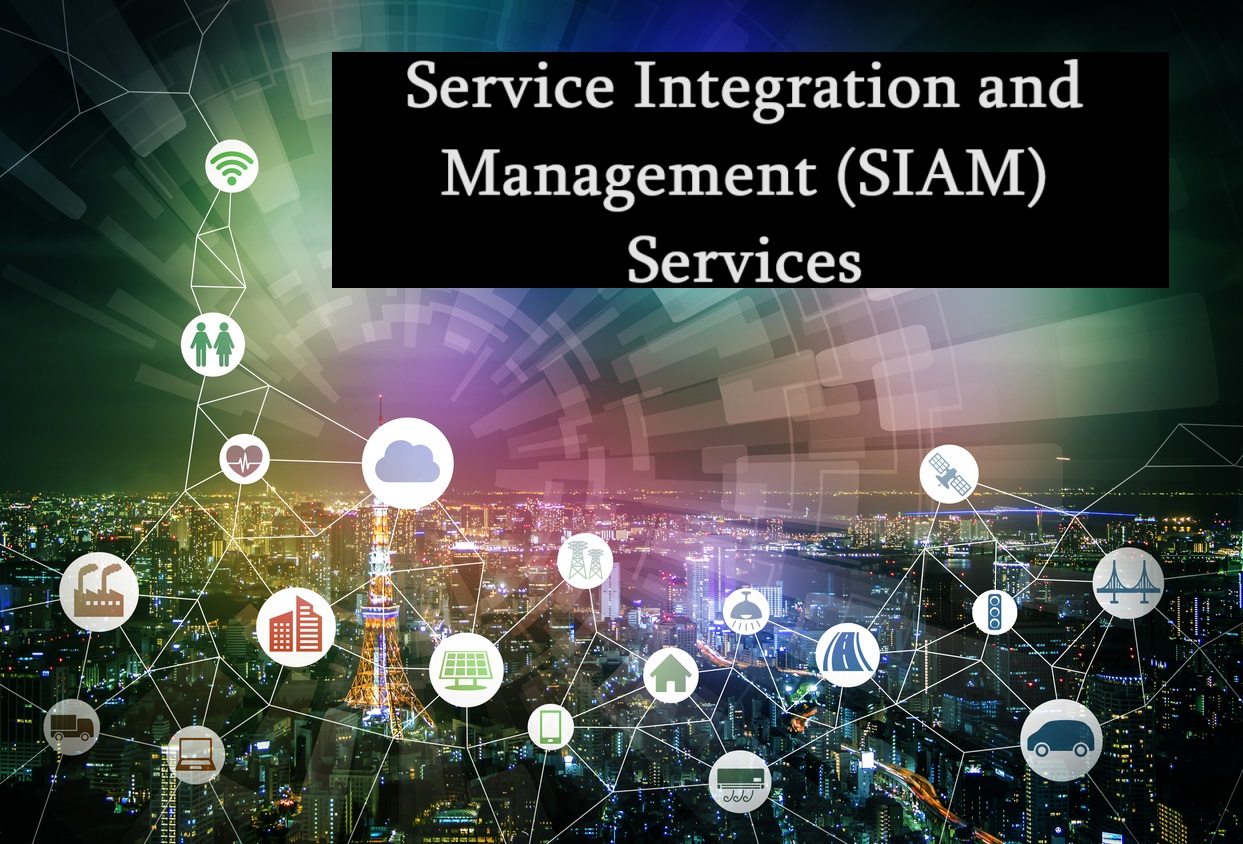
Service Integration and Management, commonly referred to as SIAM, is an approach to managing multiple service providers and aligning them with an organization's business goals. It involves coordinating the delivery of a range of services from various service providers to ensure seamless service delivery to the end-users. SIAM aims to integrate the capabilities and services of various providers while maintaining overall accountability for the services delivered.
In today's complex IT landscape, organizations often rely on multiple service providers to meet their diverse IT needs. These service providers may be external or internal, each specializing in specific areas. However, coordinating and aligning these providers to deliver a unified service can be challenging, leading to inefficiencies, communication gaps, and conflicts.
SIAM addresses these challenges by bringing together a set of practices, processes, and capabilities to manage the end-to-end service delivery across multiple providers. It focuses on establishing clear governance, fostering collaboration between providers, and enabling seamless integration of services to deliver value to the business.
By adopting SIAM practices, organizations can effectively manage their service providers, improve service performance, enhance customer satisfaction, and drive business outcomes.
SIAM Roles and Responsibilities
Within a SIAM framework, there are several key roles and responsibilities that contribute to the successful implementation and operation of service integration and management. Let's explore some of the crucial roles:
1. Service Integration Manager (SIAM)
The Service Integration Manager plays a central role in overseeing the end-to-end delivery of services and ensuring that the providers work together seamlessly. Their responsibilities include:
- Establishing and maintaining effective relationships with service providers
- Defining and implementing the SIAM governance framework
- Monitoring the performance of service providers and addressing any issues
- Ensuring compliance with service level agreements (SLAs)
- Managing the overall service integration and delivery process
2. Service Owner
The Service Owner is responsible for the overall strategy, design, and delivery of a specific service within the SIAM ecosystem. Their responsibilities include:
- Defining the service strategy and roadmap
- Working with service providers to ensure service alignment
- Overseeing service design and transition activities
- Monitoring service performance and identifying improvement opportunities
- Engaging with stakeholders to understand their service requirements
3. Process Owner
The Process Owner is accountable for the end-to-end management of specific processes within the SIAM framework. Their responsibilities include:
- Designing and implementing the process activities and workflows
- Defining key performance indicators (KPIs) and metrics for process measurement
- Monitoring the process performance and driving continuous improvement
- Ensuring compliance with process guidelines and standards
4. Supplier Manager
The Supplier Manager is responsible for managing the relationships and contracts with the service providers. Their responsibilities include:
- Identifying and engaging with relevant service providers
- Negotiating and managing contracts and service level agreements
- Monitoring supplier performance and addressing any issues
- Conducting regular supplier reviews and audits
- Ensuring contractual and legal compliance
These are just a few examples of the key roles within a SIAM framework. Depending on the size and complexity of an organization's IT landscape, additional roles may be required to effectively manage the service integration and management process.
SIAM Governance Model
An effective governance model is critical for successful implementation and operation of service integration and management. It provides the framework for decision-making, accountability, and control within the SIAM ecosystem. Here are some key elements of a SIAM governance model:
1. Governance Framework
The governance framework defines the overall structure and processes for managing service integration and management. It includes the establishment of governance boards, decision-making forums, and communication channels. The governance framework also outlines the roles, responsibilities, and authority of each stakeholder within the SIAM ecosystem.
2. Performance Monitoring
Performance monitoring involves tracking and measuring the performance of service providers against agreed-upon SLAs and KPIs. It ensures that the services are delivered in line with the defined standards and expectations. Performance monitoring enables early detection of any deviations or issues, allowing timely corrective actions to be taken.
3. Service Reporting
Service reporting involves the regular communication of performance and service-related information to relevant stakeholders. It provides transparency and visibility into the service delivery process, enabling informed decision-making. Service reports may include metrics, trends, service improvement initiatives, and upcoming changes or enhancements.
4. Risk and Issue Management
Risk and issue management involves identifying, assessing, and mitigating risks and issues that may impact service delivery. It includes the establishment of a formal risk management process, the identification of risk owners, and the implementation of suitable mitigation strategies. Effective risk and issue management ensures that potential disruptions or incidents are addressed proactively.
Conclusion
SIAM Professional Certification equips professionals with the knowledge and skills required to excel in the field of service integration and management. By understanding the concepts of SIAM, roles and responsibilities within a SIAM framework, and the significance of an effective governance model, professionals can drive successful service integration initiatives, improve service performance, and enhance customer satisfaction.
Whether you are an aspiring SIAM practitioner or an experienced professional looking to enhance your expertise, SIAM Professional Certification offers a valuable opportunity to distinguish yourself in the IT service management industry.
Are you ready to take your career to the next level with SIAM Professional Certification?
Join us on this transformative journey and unlock new opportunities in the exciting world of service integration and management!