In today's world, where sustainability is becoming increasingly important, zero-waste living has emerged as a powerful movement. The idea is simple yet profound: produce as little waste as possible. One of the most effective ways to contribute to this movement is through home composting. This practice not only reduces the amount of waste sent to landfills but also enriches your garden soil. In this article, we'll explore how home composting plays a crucial role in zero-waste living and how you can start composting at home.
Understanding Home Composting
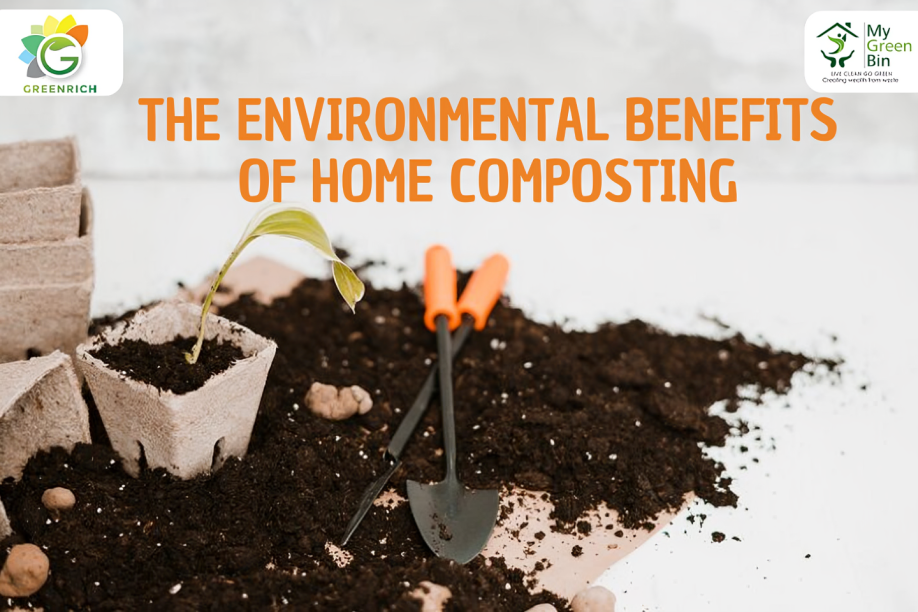
Home composting is the process of turning organic waste, such as kitchen scraps and yard clippings, into compost—a rich, dark soil amendment that can significantly improve the quality of your garden soil. Composting at home has numerous benefits, including reducing waste, cutting down on greenhouse gas emissions, and providing a free source of fertilizer for your garden.
There are various types of composters you can use at home, each suited to different needs. Common options include compost bins, tumblers, and worm bins. Choosing the right composter depends on factors such as the amount of waste you generate, available space, and how much effort you're willing to put into the process.
The science behind composting involves the breakdown of organic materials by microorganisms, such as bacteria and fungi, in the presence of oxygen. These microorganisms feed on the organic matter, breaking it down into simpler compounds. The result is a nutrient-rich substance that can be added to your garden to improve soil health and plant growth.
The Role of Home Composting in Zero Waste Living
Reducing Landfill Waste
One of the primary benefits of home composting is its ability to significantly reduce the amount of waste that ends up in landfills. Organic waste, such as food scraps and yard waste, makes up a large portion of household trash. By composting these materials, you can divert them from the landfill, where they would otherwise take up space and contribute to environmental issues.
Closing the Nutrient Loop
Home composting helps close the nutrient loop by returning valuable nutrients to the soil. When you compost kitchen scraps and yard waste, you create a natural fertilizer that enriches the soil in your garden. This process mimics nature's way of recycling nutrients, ensuring that nothing goes to waste.
Decreasing Carbon Footprint
When organic waste ends up in landfills, it decomposes anaerobically (without oxygen), producing methane—a potent greenhouse gas. By composting at home, you promote aerobic decomposition, which significantly reduces methane emissions. This helps lower your carbon footprint and contributes to the fight against climate change.
Promoting Sustainability
Integrating home composting into your daily routine is a simple yet effective way to promote sustainability. It encourages you to be more mindful of the waste you produce and to find creative ways to repurpose organic materials. This mindset can extend to other areas of your life, furthering your commitment to zero-waste living.
Implementing Home Composting: Practical Tips and Strategies
Setting Up a Home Composter
Starting home composting is easier than you might think. First, choose a location for your composter. It should be a well-drained spot with good air circulation. Next, select a composting method that suits your needs. Compost bins and tumblers are popular choices for their simplicity and effectiveness. If you have limited space, consider a worm bin, which can be used indoors.
Choosing the Right Organic Waste Composter
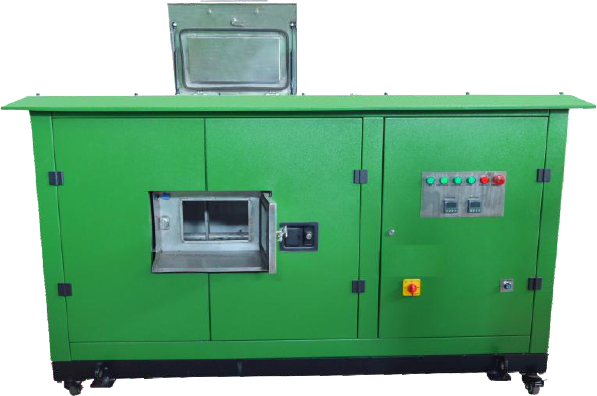
Selecting the right organic waste composter is essential for successful composting. Compost bins are ideal for larger yards and can handle significant amounts of waste. Tumblers are great for smaller spaces and make turning the compost easier. Worm bins, or vermicomposting systems, are perfect for indoor use and are particularly efficient at breaking down kitchen scraps.
Managing the Composting Process
Effective composting requires a balance of carbon-rich "browns" (like dried leaves, cardboard, and straw) and nitrogen-rich "greens" (such as kitchen scraps, coffee grounds, and grass clippings). Aim for a ratio of about three parts browns to one part greens. Keep the compost moist, like a damp sponge, and turn it regularly to aerate the pile and speed up decomposition.
Troubleshooting Common Issues
Composting can sometimes present challenges, but most issues are easy to fix. If your compost pile smells bad, it may be too wet or lack sufficient air. Turn the pile and add more browns to improve aeration. If the compost isn't breaking down, it might be too dry or lack nitrogen. Moisten the pile and add more greens to get things moving again.
Maximizing the Benefits of Home Composting
Utilizing Compost in Home Gardens
Once your compost is ready, it's time to put it to good use. Compost is an excellent soil amendment that improves soil structure, retains moisture, and provides essential nutrients to plants. Spread a layer of compost on your garden beds or mix it into the soil before planting. Your plants will thrive, and you'll notice healthier growth and increased yields.
Incorporating Compost into Landscaping Projects
Compost isn't just for vegetable gardens. It can also be used in landscaping projects to improve the health of lawns, flower beds, and shrubs. Apply compost as a top dressing for lawns to promote lush, green growth. Use it as mulch around trees and shrubs to conserve moisture and suppress weeds. Compost can also be added to potting mixes for container plants.
Sharing Surplus Compost
If you find yourself with more compost than you can use, consider sharing it with neighbours or local community gardens. Many community gardens rely on donations of compost to maintain healthy soil and support their gardening efforts. By sharing your surplus compost, you can help others grow their own food and contribute to a greener, more sustainable community.
Celebrating Successes
Tracking your composting efforts can be incredibly rewarding. Keep a compost journal to record the amount of waste you divert from the landfill, the volume of compost you produce, and the improvements you see in your garden. Celebrating these successes can motivate you to continue composting and inspire others to join the zero-waste movement.
Conclusion
Home composting is a powerful tool in the quest for zero-waste living. By turning organic waste into valuable compost, you can reduce landfill waste, lower your carbon footprint, and enrich your garden soil. It's a simple, sustainable practice that anyone can adopt, regardless of space or experience. Start composting today with MyGreenBin and take a significant step towards a more sustainable future. Remember, every small action counts, and together, we can make a big difference.