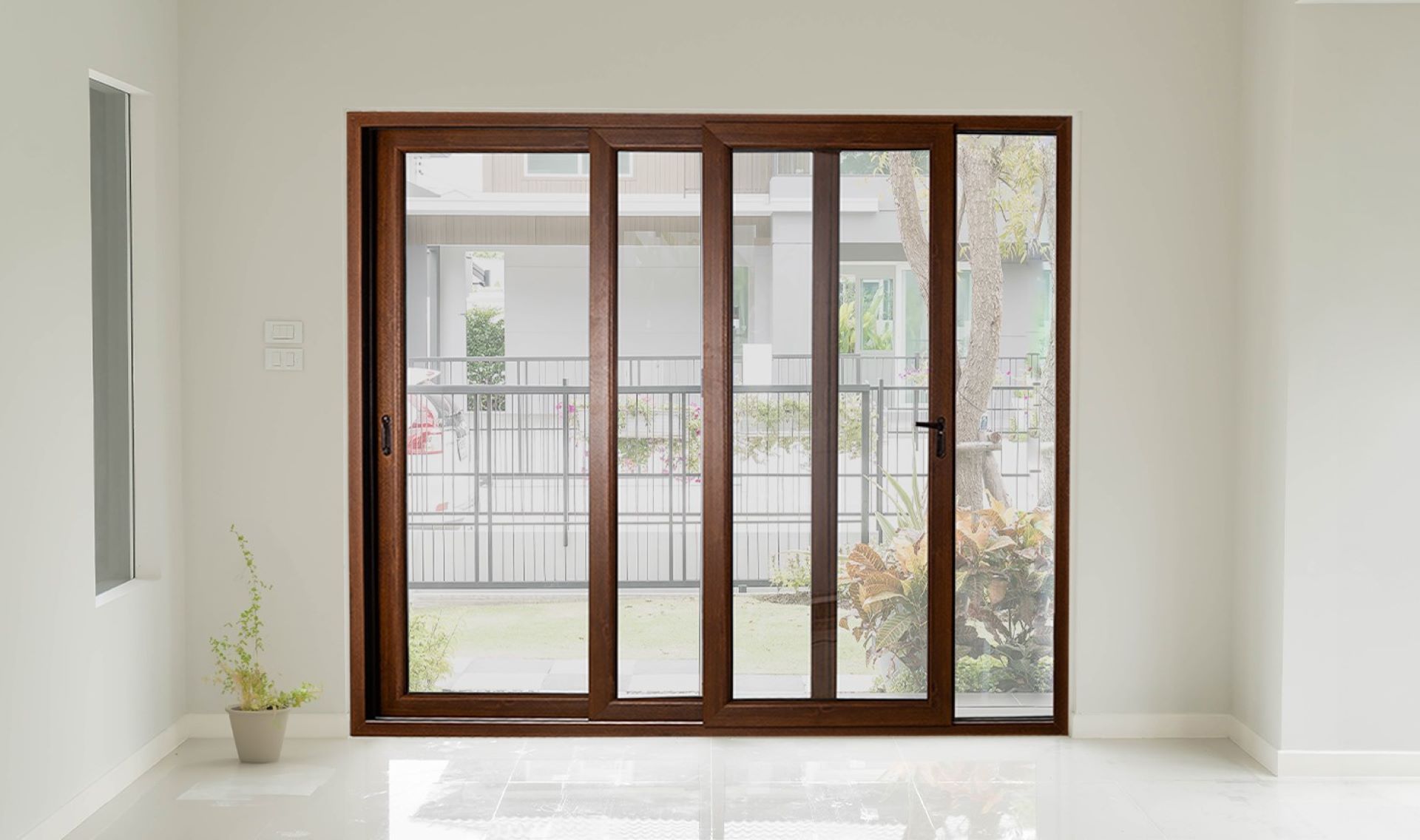
uPVC Windows in India: Transforming Residential Spaces for a Modern Living
In recent years, the Indian construction and home improvement sectors have seen a significant shift towards the adoption of uPVC windows. uPVC, or unplasticized Polyvinyl Chloride, is revolutionizing the way residential spaces are designed and optimized. This material, renowned globally for its durability, cost-effectiveness, and aesthetic appeal, is becoming the preferred choice for homeowners and builders across India. The transformation isn't just superficial; it’s a move towards sustainable, efficient, and futuristic living. Let’s delve deeper into how uPVC windows are making a mark in Indian homes.
Benefits of uPVC Windows: Enhancing Comfort and Value
The benefits of uPVC windows are multifaceted, catering to both practical needs and aesthetic preferences. Here’s how they enhance modern Indian homes:
Durability and Longevity: uPVC windows are incredibly durable. Unlike traditional wooden or metal frames, uPVC does not warp, rot, or corrode, even in extreme weather conditions. This longevity ensures that homeowners do not have to worry about frequent replacements or repairs, making it a cost-effective solution in the long run.
Low Maintenance: One of the standout benefits of uPVC windows is the minimal maintenance they require. Regular cleaning with soap and water is sufficient to keep them looking new. This is a great advantage for busy homeowners who don't have the time for constant upkeep.
Thermal Insulation: uPVC windows provide excellent thermal insulation, which helps in maintaining indoor temperatures. This is especially beneficial in a country like India, where extreme heat can be a problem. By reducing the reliance on air conditioning, uPVC windows help in cutting down energy bills.
Noise Reduction: Urbanization in India has led to increased noise pollution. uPVC windows offer effective sound insulation, creating a quiet and peaceful indoor environment. This is particularly useful for homes located near busy streets or industrial areas.
Enhanced Security: The robustness of uPVC frames, combined with multi-point locking systems, significantly enhances the security of residential spaces. Homeowners can feel safer knowing that their homes are well-protected against potential break-ins.
Advantages of uPVC Windows Over Traditional Materials: Why the Switch Makes Sense
When comparing uPVC windows to traditional materials like wood and aluminum, the advantages are clear:
Eco-Friendly Option: uPVC is recyclable, making it an environmentally friendly choice. Unlike wood, which contributes to deforestation, or aluminum, which is energy-intensive to produce, uPVC has a lower environmental impact.
Cost-Efficiency: uPVC windows are more affordable than wooden or aluminum frames while offering superior performance. The lower initial investment, combined with the lack of maintenance costs, makes uPVC a budget-friendly option for homeowners.
Aesthetic Versatility: uPVC windows come in a variety of designs, finishes, and colors, allowing homeowners to choose styles that best match their home's architecture and personal preferences. This versatility ensures that homeowners do not have to compromise on aesthetics for functionality.
Weather Resistance: uPVC windows are highly resistant to harsh weather conditions, including UV radiation, saline environments, and high humidity. This makes them an ideal choice for homes across different climatic zones in India.
Energy Efficiency: As previously mentioned, the thermal insulation properties of uPVC windows help in reducing energy consumption, leading to lower electricity bills and a smaller carbon footprint.
uPVC Windows for a Greener Future: Sustainable Living in Indian Homes
As the world moves towards sustainable living, uPVC windows are playing a crucial role in promoting eco-friendly practices in Indian homes:
Energy Conservation: The energy-efficient nature of uPVC windows reduces the dependency on artificial heating and cooling, thus conserving energy. This reduction in energy consumption translates to lower carbon emissions, contributing to a greener environment.
Reduction in Deforestation: The use of uPVC instead of wood helps in reducing deforestation. Forests are vital for maintaining ecological balance, and by choosing uPVC windows, homeowners can contribute to forest conservation efforts.
Recyclability: uPVC is a recyclable material, which means that at the end of its life cycle, it can be repurposed into other products. This reduces waste and lessens the burden on landfills, advancing the cause of sustainable waste management.
Low Carbon Footprint: The manufacturing process of uPVC windows produces fewer carbon emissions compared to the production of aluminum or wooden frames. This makes uPVC a more environmentally friendly choice, aligning with global sustainability goals.
Supporting Green Building Initiatives: The integration of uPVC windows in residential constructions supports green building initiatives, which are increasingly being adopted in India. Green buildings aim to minimize environmental impact and maximize energy efficiency, making uPVC windows a suitable choice for such projects.
Shani Corporation Limited: A Trusted Provider of uPVC Windows in India
When looking for uPVC windows india, it's essential to choose a reliable and experienced company. Shani Corporation Limited is a well-known provider of high-quality uPVC windows in the country. They offer a wide range of styles and colors to suit various preferences and budgets.
uPVC Windows for Energy Efficiency: Lower Bills, Higher Comfort
Energy efficiency is a major concern for modern Indian households, and uPVC windows offer a viable solution:
Thermal Insulation: uPVC windows provide excellent thermal insulation, reducing the need for artificial cooling and heating. This is achieved through multi-chambered profiles that block heat transfer, keeping indoor temperatures stable. As a result, homeowners can enjoy comfortable living conditions while cutting down on electricity consumption.
Double Glazing: Many uPVC windows come with double glazing options, which further enhance energy efficiency. Double glazed windows consist of two glass panes separated by a gas-filled space, providing an additional layer of insulation. This setup prevents heat loss during winter and keeps interiors cool during summer.
Air Tightness: The superior sealing capabilities of uPVC windows prevent air leaks, ensuring that conditioned air remains inside the home. This air tightness reduces the load on HVAC systems, thereby decreasing energy usage and lowering utility bills.
Reflective Coatings: Some uPVC windows are equipped with low-emissivity (Low-E) coatings that reflect infrared and ultraviolet rays. This reflective property helps in maintaining optimal indoor temperatures by keeping heat out during hot months and retaining warmth during colder seasons.
Enhanced Comfort: By providing effective insulation, soundproofing, and security, uPVC windows enhance the overall comfort of residential spaces. Homeowners can enjoy a serene, energy-efficient environment, free from the disturbances of extreme weather conditions and external noise.
In conclusion, uPVC windows represent a significant advancement in residential architecture and home improvement in India. Their myriad benefits, including durability, low maintenance, thermal insulation, noise reduction, and aesthetic appeal, make them an ideal choice for modern homes. Moreover, their contribution to energy efficiency and environmental sustainability positions them as a future-proof solution for Indian households. As the demand for green, energy-efficient living spaces continues to rise, uPVC windows stand out as the go-to option for homeowners looking to embrace the future of residential design.


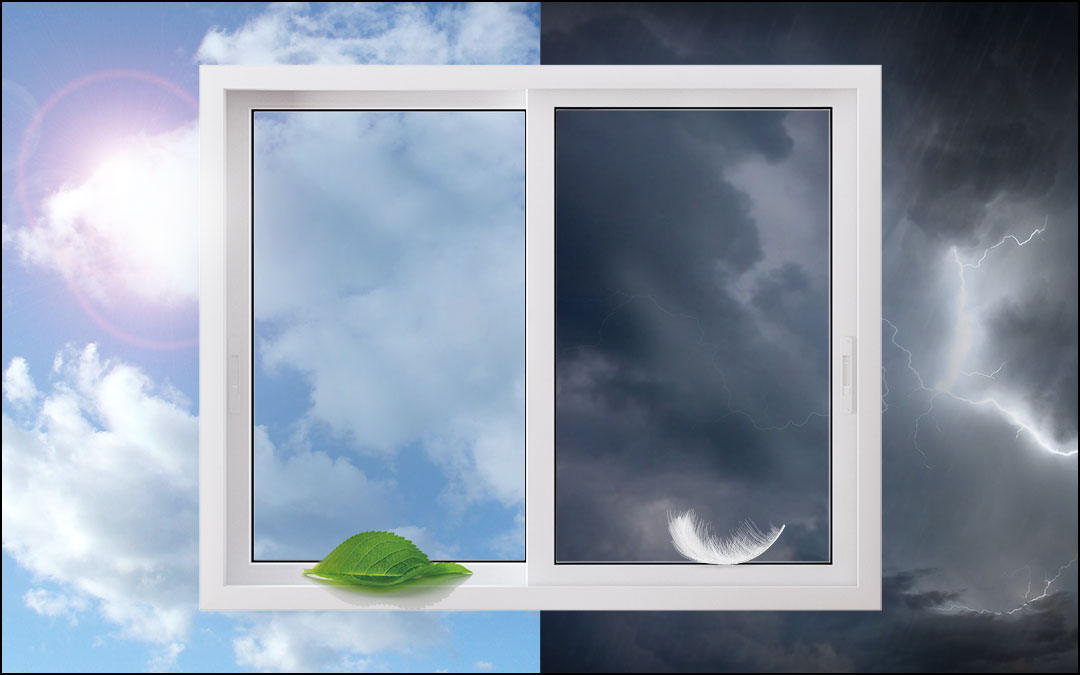
The high-grade flexibility makes uPVC an ideal choice for windows and doors used in commercial and residential purposes.
Also, unlike wood and aluminum, uPVC retains its shape in all weather conditions and stays unhindered in case of any physical impact.Wooden Windows:Wooden window frames may be a popular choice but they require high maintenance and proper care for longevity and durability.Aluminum Windows:Aluminum windows are very light which makes them less desirable for ensuring security of your home.Steel Windows:Steel windows, although don’t require much maintenance but are very expensive and not suitable for all climatic conditions.PVC Windows:PVC, short for polyvinyl chloride, is a plastic, commonly used in construction.
Due to its toxic nature, it is not ideal for home use.
Double glazing installers Harp Windows of Watford, Hertfordshire install double glazed windows and doors, uPVC Doors, uPVC windows and patio doors and sash.https://harp-windows.co.uk/