
In today's unpredictable world, being prepared for a crisis is not just advisable; it’s imperative. Effective crisis management enables organizations to swiftly respond to various challenges, minimizing damage and leading to quicker recovery. Here are some essential preparation and response tips for managing a crisis effectively.
Understanding Crisis Management
Crisis management involves identifying a threat to an organization and responding to it effectively. It encompasses a comprehensive program that helps organizations prevent, prepare for, respond to, and recover from significant adverse events.
Preparation: The Key to Effective Crisis Management
- Risk Assessment: Begin with a thorough risk assessment to identify potential crises that could impact your organization. Understand the likelihood and impact of various scenarios, from natural disasters to cyberattacks.
- Crisis Management Plan: Develop a detailed crisis management plan that includes clear roles and responsibilities, communication strategies, and decision-making processes. Ensure the plan is adaptable to various types of crises.
- Training and Simulations: Regular training and simulation exercises are crucial. They ensure that everyone knows what to do in the event of a crisis. Simulations should be as realistic as possible to test the plan and improve it.
- Communication Strategy: Effective communication is critical in a crisis. Establish protocols for internal and external communication, including templates for press releases, designated spokespersons, and strategies for social media management.
- Build a Crisis Management Team: Assemble a skilled crisis management team that includes members from various departments. This team should have the authority to make crucial decisions quickly.
Response: Managing the Crisis
- Immediate Activation of the Plan: Once a crisis hits, activate the crisis management plan immediately. Quick action can often mitigate the impact of the crisis.
- Prioritize Safety: Ensure the safety of employees and customers first. This not only protects individuals but also helps prevent further escalation of the crisis.
- Communicate Effectively: Keep stakeholders informed with regular updates. Transparent and timely communication can help manage public perception and maintain trust.
- Resource Management: Allocate resources effectively to address the most critical aspects of the crisis. This might include mobilizing emergency funds or redirecting staff to key roles.
- Legal Considerations: Consult with legal experts to understand any implications of the crisis and to ensure compliance with all relevant laws and regulations.
Recovery and Learning
- Assessment: After managing the initial crisis, conduct a thorough assessment of what happened and why. Evaluate the effectiveness of the crisis response.
- Adapt and Improve: Use the insights gained from the crisis to improve the crisis management plan. This could involve updating training programs, revising communication strategies, or enhancing resource allocation.
- Continued Support and Communication: Continue to support affected individuals and keep stakeholders informed as the organization recovers. Ongoing communication is vital to restoring normal operations.
Conclusion
Effective crisis management is about more than just dealing with a crisis; it’s about preparing for potential crises before they occur and learning from them after they pass. By following these preparation and response tips, organizations can enhance their resilience, safeguard their reputation, and ensure their long-term success.




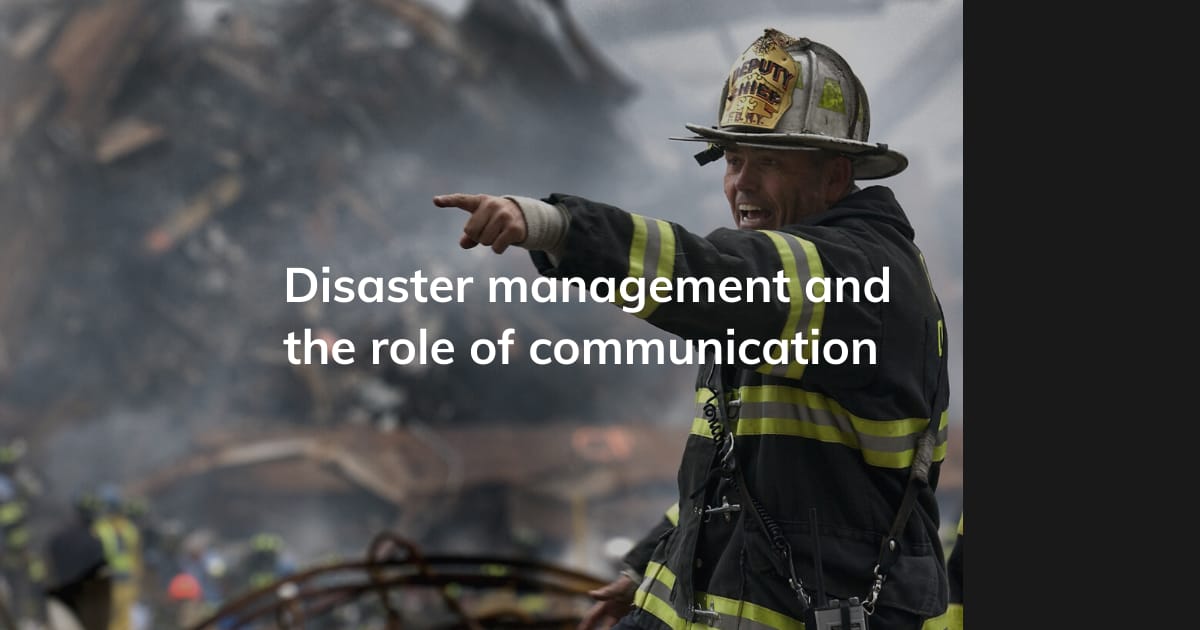
The occurrence of untoward circumstances such as disasters causes unprecedented chaos in the daily life of the common man.
The widespread dilemma created by calamities affects the decision-making ability of not only the general public but also the authority concerned.
But, the situation demands a quick action to mitigate the impactand ensure the well-being of people whose lives are derailed.
Accurate and quick information can help achieve the objective and save many lives, especially during evolving events like flood, hurricane, etc.read more