Brick steps add charm and durability to any home. Whether you're building new steps or maintaining existing ones, this guide will walk you through everything you need to know. From installation tips to learning how to fix brick steps, we've got you covered.
Why Choose Brick Steps?
Brick steps are a popular choice for many homeowners because they are not only aesthetically pleasing but also durable. They can withstand heavy foot traffic and harsh weather conditions, making them an excellent long-term investment for your home.
How to Install Brick Steps
Step 1: Planning Your Project
Before you start, it's essential to plan your project. Measure the area where you want to build your steps and determine the number of steps you will need. Make sure to check local building codes and obtain any necessary permits.
Step 2: Gathering Materials
For your brick steps project, you will need:
- Bricks
- Mortar
- Sand
- Gravel
- Concrete
- Trowel
- Level
- Shovel
- Wheelbarrow
Step 3: Preparing the Foundation
- Excavate the Area: Dig out the area where the steps will be built. The depth should be enough to accommodate a gravel base and a concrete footing.
- Lay the Gravel Base: Fill the excavated area with gravel and compact it well. This layer will provide drainage and stability.
- Pour the Concrete Footing: Mix and pour concrete over the gravel. Smooth it out and let it cure for at least 24 hours.
Step 4: Laying the Bricks
- Mix the Mortar: Prepare the mortar according to the manufacturer's instructions.
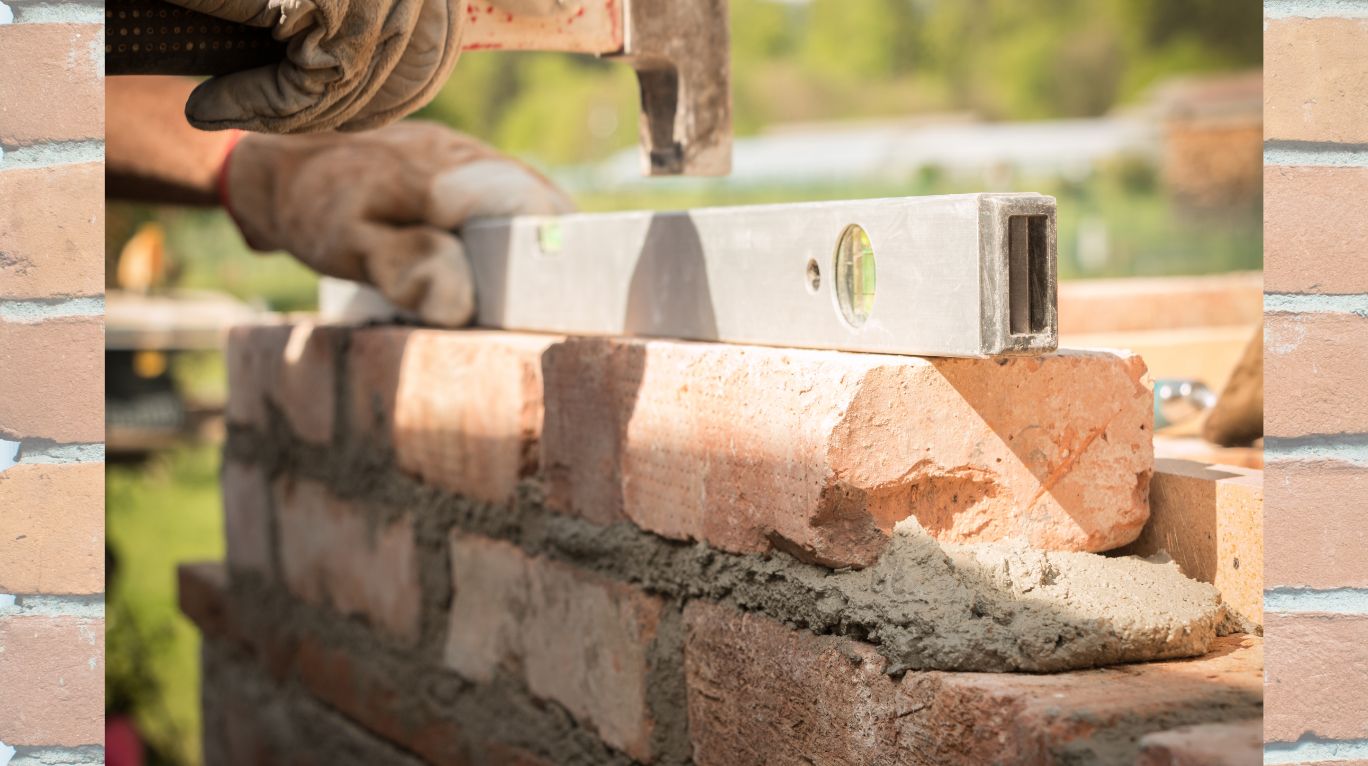
- Lay the First Course: Spread a layer of mortar on the concrete footing and start laying the first row of bricks. Use a level to ensure they are even.
- Build Up the Steps: Continue laying bricks and mortar, step by step, ensuring each layer is level and aligned. Use the trowel to smooth the mortar joints.
Step 5: Finishing Touches
Once all the bricks are laid, let the mortar dry for 24-48 hours. After that, you can clean the bricks with a brush and water to remove any excess mortar.
Maintaining Brick Steps
To keep your brick steps looking great and lasting long, regular maintenance is essential.
Cleaning Brick Steps
- Sweep Regularly: Keep the steps free from dirt and debris.
- Wash Periodically: Use a mixture of water and mild detergent to clean the bricks. Avoid using harsh chemicals that can damage the brick surface.
- Seal the Bricks: Applying a sealant can protect the bricks from water damage and staining.
Inspecting for Damage
- Check for Cracks: Regularly inspect your brick steps for any cracks or loose bricks.
- Repointing: If you notice any damaged mortar joints, repointing might be necessary. This involves removing the old mortar and applying new mortar to keep the structure stable.
How to Fix Brick Steps
If your brick steps are damaged, don’t worry! Here’s a simple guide on how to fix brick steps.
Fixing Loose Bricks
- Remove the Loose Brick: Carefully take out the loose brick without damaging the surrounding bricks.
- Clean the Area: Remove any old mortar and clean the brick and the gap.
- Apply New Mortar: Spread a layer of fresh mortar in the gap and on the brick.
- Reinsert the Brick: Press the brick back into place and smooth the mortar joints.
Repairing Cracked Bricks
- Remove the Damaged Brick: Use a chisel and hammer to take out the cracked brick.
- Prepare a New Brick: Get a replacement brick of the same size and type.
- Install the New Brick: Apply mortar to the gap and insert the new brick, ensuring it aligns with the surrounding bricks.
Enhancing the Look of Your Brick Steps
To add even more charm to your brick steps, consider the following ideas:
Adding Planters
Place planters on either side of the steps for a touch of greenery. This can make the entrance more inviting.
Installing Lighting
Add outdoor lighting to illuminate your steps. This not only enhances the look but also increases safety at night.
Using Decorative Bricks
Incorporate decorative bricks or patterns to give your steps a unique and personalized look.
Common Issues with Brick Steps and Solutions
Efflorescence
Efflorescence is a white powdery substance that can appear on bricks. It is caused by water-soluble salts. To remove it, use a stiff brush and water. Prevent future occurrences by ensuring proper drainage and sealing the bricks.
Settling
Over time, brick steps might settle unevenly. This can be fixed by re-leveling the base and re-laying the affected bricks.
Weeds and Moss
Weeds and moss can grow between bricks. Use a weed killer and a stiff brush to remove them. Sealing the joints can prevent future growth.
FAQs About Brick Steps
1. How long do brick steps last? Brick steps can last for many decades with proper maintenance. Regular cleaning and sealing can significantly extend their lifespan.
2. Can I install brick steps myself? Yes, with the right tools and materials, you can install brick steps yourself. However, it requires time and attention to detail.
3. What is the cost of building brick steps? The cost can vary depending on the size and complexity of the project. On average, it can range from $1,000 to $3,000.
4. How often should I seal my brick steps? It’s recommended to seal your brick steps every 2-3 years to protect them from moisture and staining.
5. What should I do if my brick steps are crumbling? If your brick steps are crumbling, it’s best to consult a professional to assess the damage and recommend repairs.
Brick steps are a timeless addition to any home, offering both functionality and aesthetic appeal. With this guide, you can confidently install, maintain, and repair your brick steps, ensuring they remain a beautiful feature of your property for years to come.