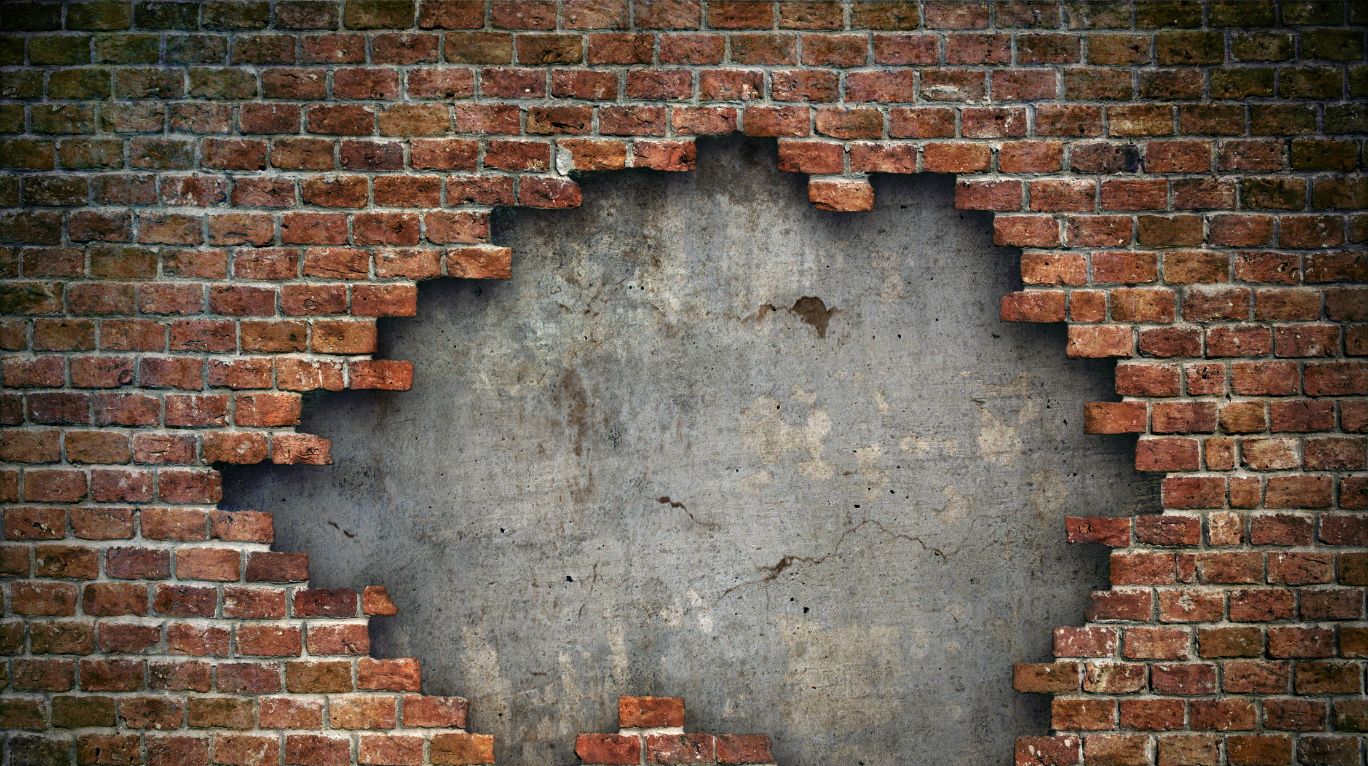
Thermal expansion cracks are a common issue in many structures, especially those exposed to varying temperatures. Understanding these cracks is crucial to maintaining the integrity of buildings and preventing potential damage.
What Are Thermal Expansion Cracks?
Thermal expansion cracks occur when materials expand and contract due to temperature changes. When the temperature rises, materials expand; when it drops, they contract. If the materials cannot expand or contract freely, stress builds up, leading to cracks.
Why Do Thermal Expansion Cracks Happen?
Materials in construction, such as concrete, brick, and metal, expand when heated and contract when cooled. This constant movement can cause cracks over time if the materials are not properly managed or if there is insufficient space for expansion and contraction.
Types of Structures Affected
- Residential Homes: Common in brick walls and foundations.
- Commercial Buildings: Seen in large structures with significant temperature variations.
- Roads and Bridges: Asphalt and concrete surfaces can crack due to thermal changes.
Thermal Expansion Cracks in Brick Walls
Brick walls are particularly susceptible to thermal expansion cracks. Bricks and mortar expand and contract at different rates, causing stress and eventually leading to cracks. This is more pronounced in regions with extreme temperature fluctuations.
Signs of Thermal Expansion Cracks
- Vertical or diagonal cracks: Often appear near windows, doors, or corners of buildings.
- Gaps between bricks: Indicating the bricks have shifted.
- Cracks in mortar: Mortar may crumble or show lines of separation.
Preventing Thermal Expansion Cracks
Preventing thermal expansion cracks involves several strategies:
1. Use of Expansion Joints
Expansion joints are gaps placed at regular intervals in structures to allow for movement. These joints absorb the stress from thermal expansion and contraction, preventing cracks.
2. Proper Material Selection
Choosing materials with similar thermal expansion properties can minimize stress. For instance, using compatible bricks and mortar can reduce the likelihood of cracks.
3. Controlled Curing of Concrete
Properly curing concrete helps it develop strength gradually, reducing the chances of cracks due to thermal stress. Slow, controlled curing allows concrete to adapt to temperature changes better.
4. Insulation
Insulating materials can reduce the impact of temperature changes. Insulated walls and foundations are less likely to develop thermal expansion cracks because they experience fewer temperature extremes.
5. Regular Maintenance
Routine inspection and maintenance of buildings can catch early signs of thermal expansion cracks. Addressing minor cracks before they worsen can save significant repair costs.
Repairing Thermal Expansion Cracks
If thermal expansion cracks do occur, timely repair is essential. Here are some common repair methods:
1. Filling Cracks
For small cracks, filling them with a flexible sealant can prevent further damage. This sealant accommodates movement and prevents water infiltration.
2. Repointing
For cracks in brick walls, repointing is a method where the old mortar is removed and replaced with new mortar. This not only fixes the cracks but also strengthens the wall.
3. Installing Control Joints
Adding control joints to existing structures can help manage thermal expansion and contraction, preventing future cracks.
Case Study: Thermal Expansion Cracks in Brick Walls
Let's look at a real-world example of thermal expansion cracks in brick walls. A homeowner in Texas noticed vertical cracks in their brick walls. Upon inspection, it was found that the temperature variations were causing the bricks and mortar to expand and contract at different rates, leading to cracks. By adding expansion joints and repointing the affected areas, the issue was resolved, preventing further damage.
The Importance of Professional Inspection
Regular professional inspections can identify potential issues before they become significant problems. Professionals can recommend preventive measures and repair strategies tailored to specific buildings.
Conclusion
Thermal expansion cracks are a common but manageable issue in construction. Understanding their causes, signs, and prevention methods is crucial for maintaining the integrity of any structure. By using proper materials, installing expansion joints, and conducting regular maintenance, you can significantly reduce the risk of thermal expansion cracks, especially in brick walls.
FAQs About Thermal Expansion Cracks
Q1: What causes thermal expansion cracks in brick walls?
A: Thermal expansion cracks in brick walls occur due to the differing expansion rates of bricks and mortar under temperature changes.
Q2: How can I prevent thermal expansion cracks in my home?
A: You can prevent them by using expansion joints, selecting compatible materials, properly curing concrete, insulating your home, and performing regular maintenance.
Q3: Are thermal expansion cracks dangerous?
A: While not immediately dangerous, they can lead to significant structural damage over time if not addressed.
Q4: Can I repair thermal expansion cracks myself?
A: Small cracks can be repaired with sealants, but larger or recurring cracks should be assessed by a professional.
Q5: How often should I inspect my building for thermal expansion cracks?
A: It’s recommended to inspect your building annually, especially if it’s in a region with significant temperature changes.