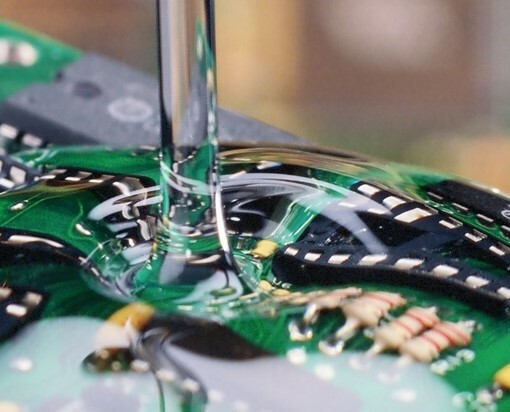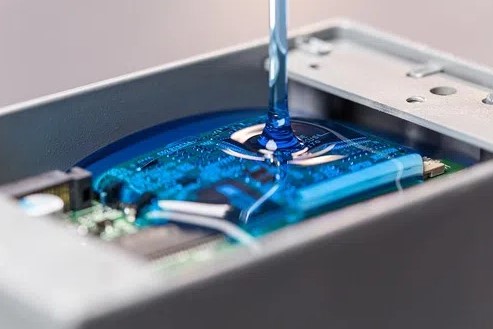
In the intricate and ever-evolving world of electronics, safeguarding printed circuit boards (PCBs) is critical. PCBs are integral to the functionality of electronic devices, acting as the foundation that connects and supports various electronic components. Ensuring their protection against environmental, mechanical, and electrical hazards is essential for maintaining device reliability and longevity. One of the most effective methods for achieving this is through the use of PCB potting compounds. These materials offer comprehensive protection, but what exactly are they, and why are they indispensable? Let’s explore.
What is a PCB Potting Compound?
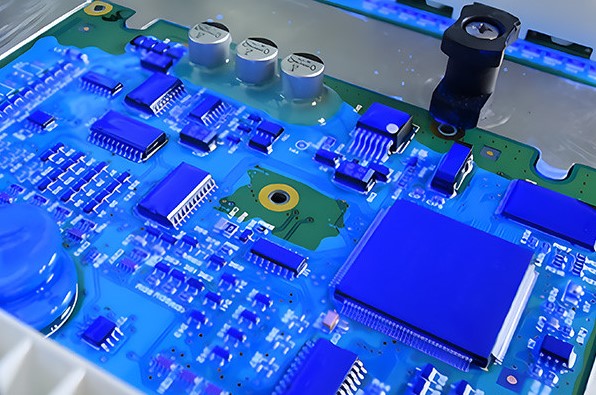
A PCB potting compound is an insulating material used to encapsulate and protect PCBs and their components. The compound is applied over the PCB, filling all voids and covering the entire assembly. Once cured, it forms a solid, protective barrier. Common materials used for potting include epoxy, silicone, and polyurethane, each providing unique properties that make them suitable for different applications.
Advantages of PCB Potting Compounds
- Environmental Protection: Potting compounds create an impermeable barrier that shields PCBs from environmental hazards such as moisture, dust, chemicals, and extreme temperatures. This protection prevents corrosion and damage to sensitive electronic components, significantly extending the lifespan of the PCB.
- Mechanical Stability: Electronic devices often endure vibrations and mechanical shocks that can lead to component failure. Potting compounds provide mechanical support, cushioning the components and reducing the risk of damage from physical impacts. This is particularly crucial in applications exposed to harsh conditions, such as automotive and industrial environments.
- Electrical Insulation: Potting compounds offer excellent electrical insulation properties, preventing short circuits and protecting the PCB from electrical interference. This ensures stable and reliable performance even in challenging environments, maintaining the integrity and functionality of electronic devices.
- Thermal Management: Some potting compounds are designed to enhance thermal management by dissipating heat away from critical components. Effective thermal management is vital in high-power applications to prevent overheating and ensure optimal performance. This is particularly relevant in power electronics and LED applications.
- Security and Tamper Resistance: For applications requiring high security, potting compounds add a layer of tamper resistance, making it difficult to access and alter the PCB. This helps prevent unauthorized modifications and ensures the integrity of the device, which is essential in military and aerospace applications.
Selecting the Right Potting Compound
Choosing the appropriate potting compound depends on several factors, including the operating environment, thermal requirements, and the level of protection needed. Here’s a brief overview of the common types:
- Epoxy: Known for its excellent adhesion and chemical resistance, epoxy is ideal for applications requiring robust mechanical protection and durability. However, its rigidity may not be suitable for scenarios where flexibility is needed.
- Silicone: Silicone potting compounds offer flexibility and excellent thermal stability, making them suitable for high-temperature environments and applications involving thermal cycling. They are also resistant to moisture and chemicals, providing versatile protection.
- Polyurethane: Polyurethane offers a balance between flexibility and toughness, making it well-suited for applications requiring impact resistance and environmental protection. However, it may not provide the same level of thermal stability as silicone.
Application Process
Applying a potting compound involves several steps. First, the PCB must be thoroughly cleaned and prepared. Next, the potting compound is mixed and poured over the PCB, ensuring complete coverage and filling all voids. The assembly is then cured, typically at room temperature or with the application of heat, depending on the compound used.
Conclusion
PCB potting compounds are essential for enhancing the durability, reliability, and performance of electronic assemblies. By providing protection against environmental factors, mechanical stress, and electrical interference, these compounds play a crucial role in the longevity of PCBs. Whether using epoxy, silicone, or polyurethane, selecting the right potting compound for your specific application is vital for the success and reliability of your electronic devices.
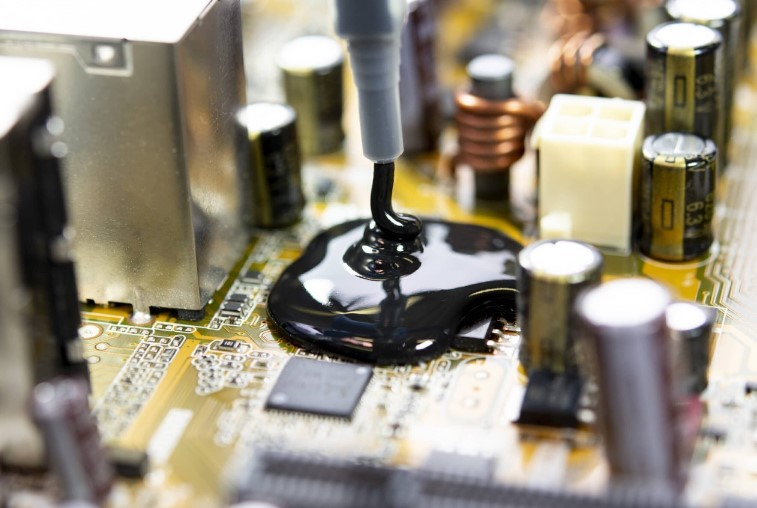
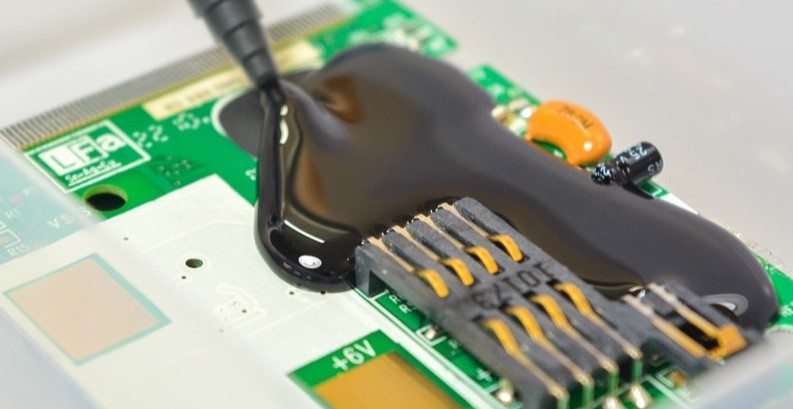

According to a new report published by Allied Market Research titled, "Potting Compounds Market by Resin Type, Curing Technique, Application, and End-user: Global Opportunity Analysis and Industry Forecast, 2014-2022", the potting compounds market was valued at $2,680 million in 2015 and is projected to reach $3,460 million by 2022, growing at a CAGR of 3.8% from 2016 to 2022.
The silicone resin type held nearly one-fourth of the total market in 2015.Potting compounds are used as a covering of the electronics and electrical devices to protect it from surrounding environment.
They offer protection from moisture and also provide heat dissipation, flame retardancy, and resistance from shock.
This is mainly attributed to their remarkable properties such as flexible protection against vibration, environmental contamination and thermal stress, excellent dielectric properties, and effective insulation against high voltages.Get Detailed COVID-19 Imapct Analysis for This Report: https://www.alliedmarketresearch.com/request-for-customization/1624?reqfor=covidElectronics and aerospace applications dominated the global potting compounds market with more than two-thirds share in terms of volume, in 2015.
Rise in transportation sector is the main reason for the growth of potting compounds market in the Asia-Pacific region.Read Report Overview: https://www.alliedmarketresearch.com/potting-compounds-marketThe major companies profiled in the report include Henkel AG & Co. KGaA, The 3M Company, MG Chemicals, ELANTAS GmbH, ALPAS srl, Dymax Corporation, Master Bond, Inc., Lord Corporation, Aremco Products, Inc., RBC Industries, Inc., and Shanghai Sepna Chemical Technology Co. Ltd.About Allied Market Research:Allied Market Research (AMR) is a full-service market research and business-consulting wing of Allied Analytics LLP based in Portland, Oregon.
Allied Market Research provides global enterprises as well as medium and small businesses with unmatched quality of "Market Research Reports" and "Business Intelligence Solutions."