Transcranial Magnetic Stimulation (TMS) therapy has emerged as a revolutionary treatment for various mental health conditions, particularly major depressive disorder (MDD). It offers a non-invasive alternative for patients who do not respond well to traditional treatments such as medication and psychotherapy. In this article, we will explore what TMS therapy is, how it works, its benefits, the criteria for determining the best TMS therapy, and tips for finding the right provider.
What is TMS Therapy?
Transcranial Magnetic Stimulation (TMS) is a non-invasive procedure that uses magnetic fields to stimulate nerve cells in the brain. It is primarily used to treat depression but has also shown promise in treating other conditions such as anxiety, post-traumatic stress disorder (PTSD), and obsessive-compulsive disorder (OCD).
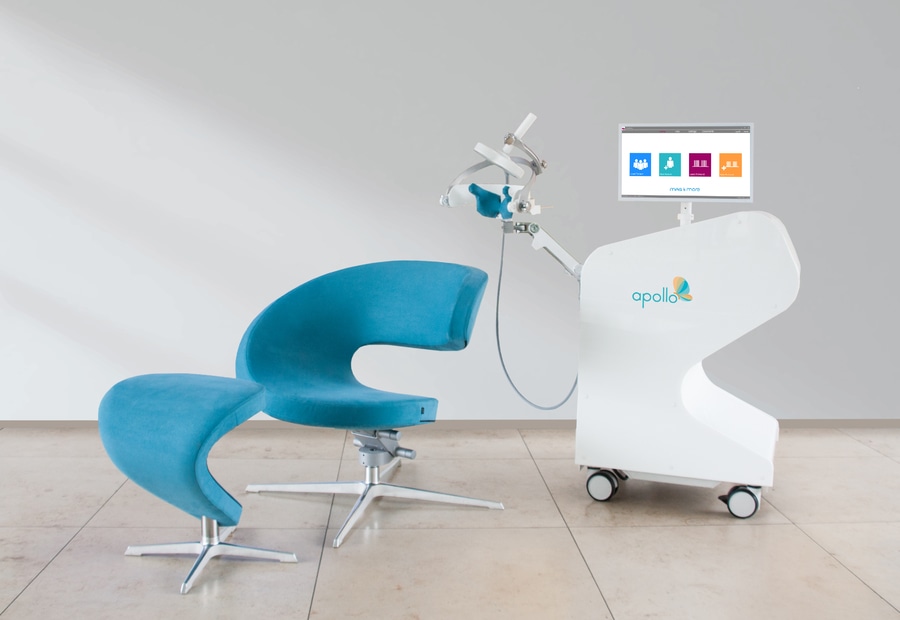
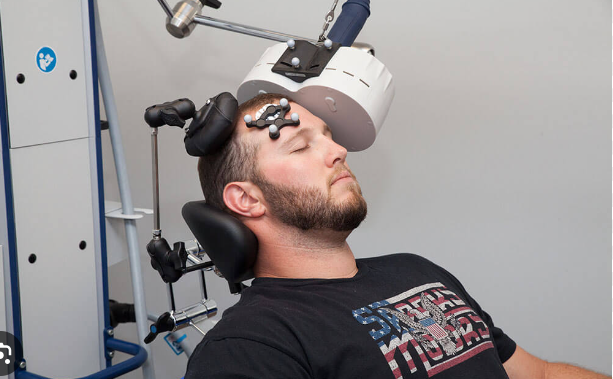
The therapy involves placing a magnetic coil near the patient's scalp, usually on the left side of the prefrontal cortex. The coil generates magnetic pulses that penetrate the skull and stimulate brain activity. This stimulation is believed to alleviate symptoms of depression by activating underactive regions of the brain.
How Does TMS Therapy Work?
TMS therapy operates on the principle of electromagnetic induction. The magnetic pulses generated by the coil induce electrical currents in the brain tissue, which can modulate neuronal activity. The process involves several key steps:
- Initial Assessment: A thorough evaluation by a psychiatrist to determine if the patient is a suitable candidate for TMS therapy.
- Mapping: Precise mapping of the brain to identify the optimal target area for stimulation.
- Treatment Sessions: Regular sessions, typically five times a week for four to six weeks. Each session lasts about 20-40 minutes.
- Follow-Up: Continuous monitoring and follow-up sessions to assess the effectiveness and make any necessary adjustments.
Benefits of TMS Therapy
TMS therapy offers numerous benefits, making it an attractive option for individuals struggling with depression and other mental health conditions:
- Non-Invasive: Unlike electroconvulsive therapy (ECT), TMS does not require anesthesia or induce seizures. Patients remain awake and alert during the treatment.
- Minimal Side Effects: The most common side effects are mild headaches or scalp discomfort, which typically resolve after a few sessions.
- Efficacy: Studies have shown that TMS therapy can significantly reduce depressive symptoms, with many patients experiencing complete remission.
- Rapid Improvement: Patients often notice improvements within a few weeks, compared to the longer time frame required for antidepressant medications to take effect.
- No Systemic Effects: TMS does not involve medications, thus avoiding the systemic side effects associated with antidepressants, such as weight gain, sexual dysfunction, and gastrointestinal issues.
Determining the Best TMS Therapy
Finding the best TMS therapy involves considering several factors to ensure that patients receive the most effective and personalized treatment. Here are some criteria to look for:
- Experienced Providers: The expertise and experience of the healthcare professionals administering TMS are crucial. Look for providers who have extensive training and a proven track record in delivering TMS therapy.
- Accreditation and Certification: Choose clinics that are accredited by relevant health authorities and have certified TMS technicians.
- Customized Treatment Plans: The best TMS therapy should be tailored to the individual’s specific condition and needs. Personalized treatment plans are more likely to yield positive outcomes.
- Advanced Technology: Ensure the clinic uses the latest TMS equipment and technology for precise and effective treatment.
- Comprehensive Care: Opt for providers that offer a holistic approach, including follow-up care, additional therapies, and support services.
- Patient Reviews and Testimonials: Research patient reviews and testimonials to gauge the satisfaction and success rates of the clinic’s TMS therapy.
- Accessibility and Convenience: Consider the location, availability of appointments, and the clinic's flexibility in scheduling sessions.
Finding the Right TMS Therapy Provider
When searching for the best TMS therapy provider, consider the following steps:
- Consult with Your Psychiatrist: Start by discussing TMS therapy with your psychiatrist or primary care physician. They can provide recommendations and referrals to reputable TMS providers.
- Research Online: Use online resources to find TMS clinics in your area. Websites of professional organizations, such as the Clinical TMS Society, can be valuable sources of information.
- Visit the Clinic: Schedule a consultation to visit the clinic in person. This will give you a chance to meet the staff, see the facilities, and ask questions about their TMS therapy process.
- Ask About Success Rates: Inquire about the clinic’s success rates and the number of patients they have treated with TMS therapy. A higher success rate indicates a more experienced and effective provider.
- Insurance Coverage: Check if the clinic accepts your insurance and what portion of the treatment costs will be covered. TMS therapy can be expensive, so understanding your financial responsibility is important.
- Second Opinions: Don’t hesitate to seek second opinions from other TMS providers to ensure you are making an informed decision.
Conclusion
Transcranial Magnetic Stimulation (TMS) therapy has become a beacon of hope for individuals suffering from treatment-resistant depression and other mental health conditions. With its non-invasive nature, minimal side effects, and promising results, TMS therapy stands out as a highly effective treatment option. When searching for the best TMS therapy, consider factors such as the provider’s experience, accreditation, customization of treatment plans, advanced technology, and comprehensive care.