

Damp Proofing Explained
Damp proofing is a preventive measure taken to protect properties from moisture penetration. It involves the installation of damp proof courses (DPC), membranes, and coatings that act as barriers to prevent water ingress. Understanding the basics of damp proofing is essential for maintaining the structural integrity and longevity of any building.
Causes of Dampness
Before diving into damp proofing solutions, it is crucial to understand the common causes of dampness in properties:
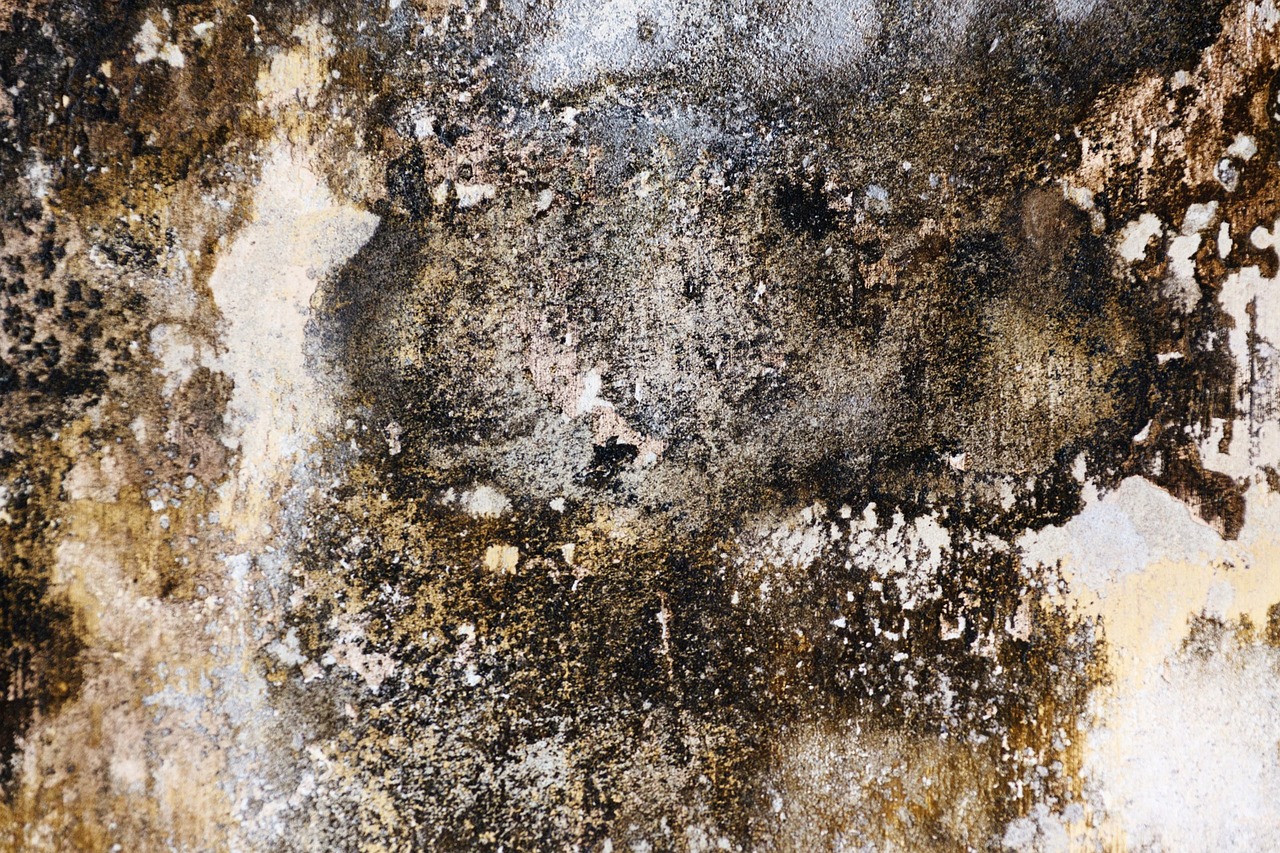
Condensation: This occurs when warm, moist air comes into contact with cold surfaces such as walls, windows, and floors. The moisture in the air condenses into water droplets, leading to dampness and mold growth.
Rising Damp: This happens when moisture from the ground rises through the walls by capillary action. This is often due to the absence or failure of a damp proof course.
Penetrating Damp: This type of dampness is caused by water entering the building through external defects such as faulty roofs, damaged gutters, and porous brickwork.
Leaks: Plumbing leaks, broken pipes, or faulty appliances can cause water to seep into the surrounding structures, resulting in dampness.
Basement Damp Proofing
Basements are particularly susceptible to dampness due to their location below ground level. Effective basement damp proofing is essential to prevent water ingress and maintain a dry, habitable space. Here are some common methods and solutions for basement damp proofing:
Exterior Waterproofing: This involves excavating the soil around the basement walls and applying a waterproof coating or membrane to the exterior walls. This method effectively prevents water from penetrating the walls.
Interior Sealants: Interior sealants are applied to the interior walls and floors to create a waterproof barrier. These can be used in conjunction with exterior waterproofing for added protection.
French Drains: A French drain is a trench filled with gravel or rock that redirects groundwater away from the basement. Installing a French drain helps to manage water flow and reduce hydrostatic pressure on the basement walls.
Sump Pumps: Sump pumps are installed in basement sump pits to collect and pump out water that accumulates in the area. This helps to keep the basement dry and prevent flooding.
Moisture Damage Prevention
Preventing moisture damage is key to maintaining a healthy and structurally sound property. Here are some preventive measures to consider:
Regular Inspections: Conduct regular inspections of your property to identify and address any signs of dampness, leaks, or defects. Early detection and prompt repair can prevent further damage.
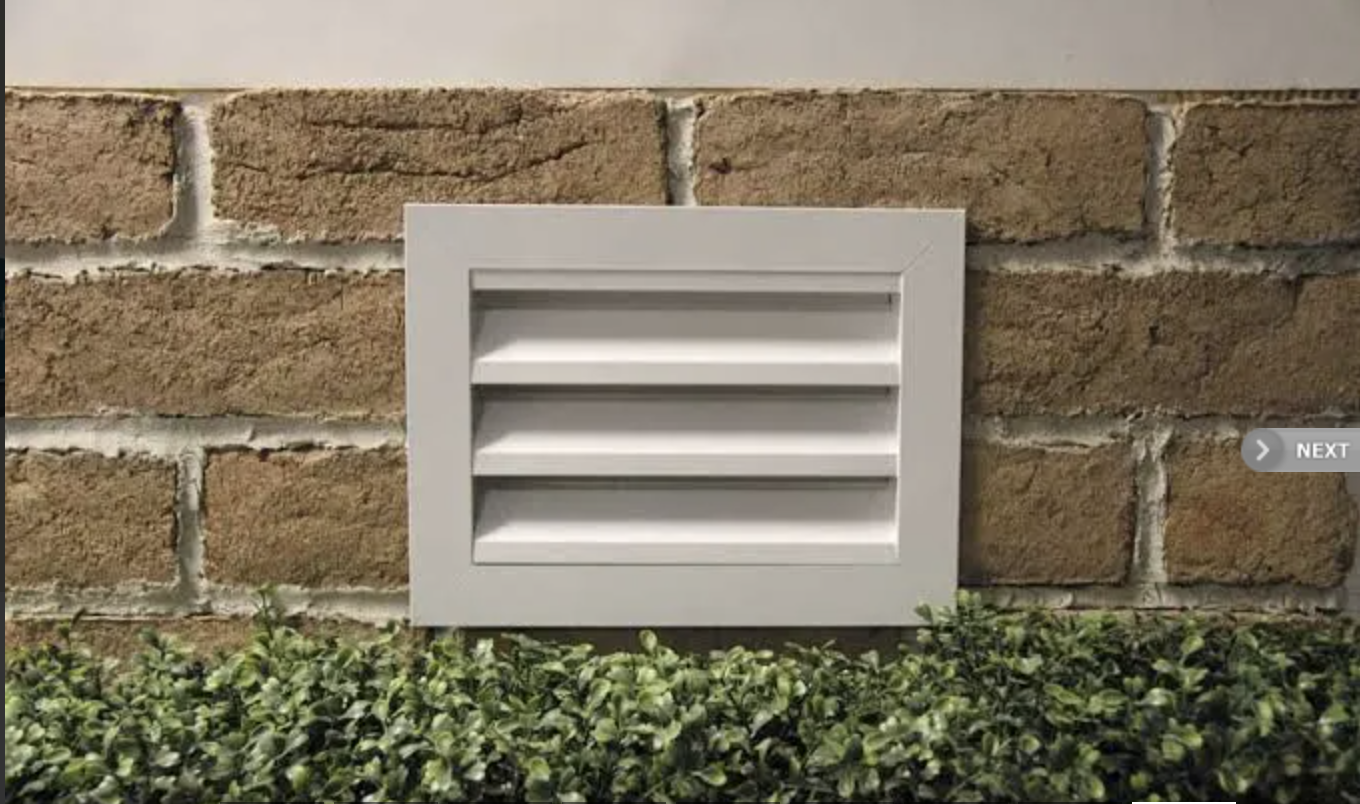
Proper Ventilation: Ensure that your property is well-ventilated to reduce condensation. Use exhaust fans in kitchens and bathrooms, and consider installing ventilation systems if necessary.
Maintain Gutters and Downpipes: Keep gutters and downpipes free from debris and ensure they are in good working condition. This helps to prevent water from overflowing and penetrating the building.
Improve Drainage: Ensure proper drainage around the property to prevent water from pooling near the foundations. Installing drainage systems and sloping the ground away from the building can help.
Seal Gaps and Cracks: Seal any gaps, cracks, or holes in the building's exterior to prevent water ingress. Use appropriate sealants and materials to ensure a watertight seal.
Damp Proofing Techniques
There are various damp proofing techniques available, each suited to different types of dampness and building structures. Here are some commonly used techniques:
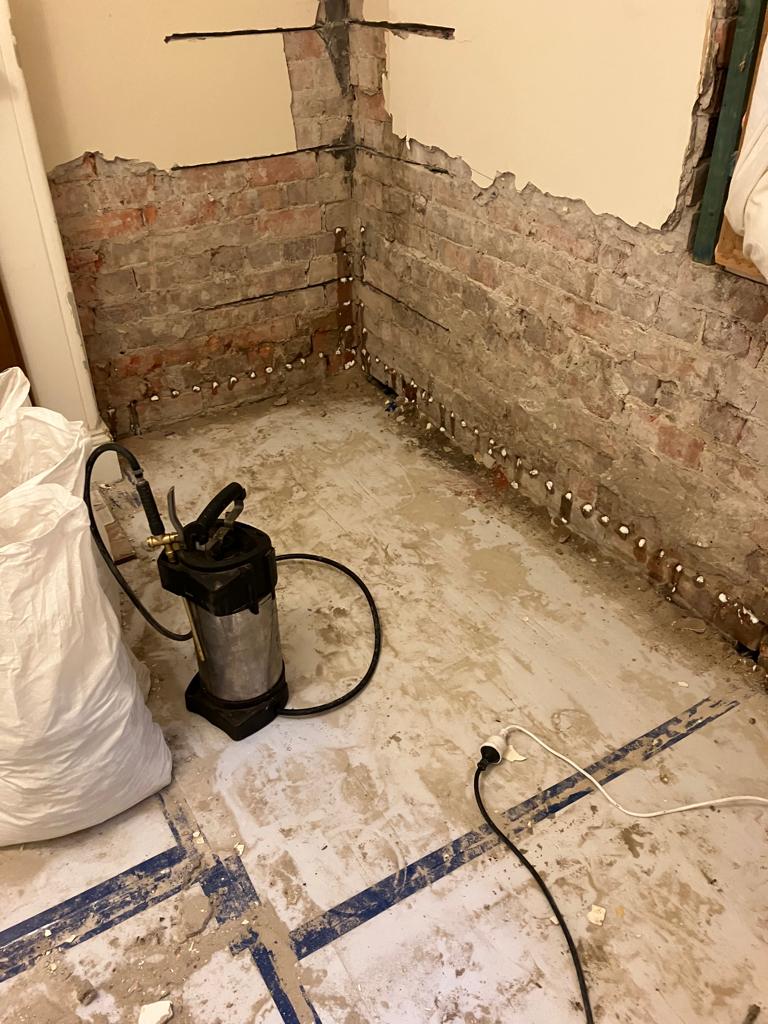
Chemical Damp Proof Course (DPC): A chemical DPC involves injecting a chemical solution into the walls to create a barrier that prevents rising damp. This method is effective and relatively quick to implement.
Damp Proof Membranes: These are sheets of material that are applied to walls, floors, or roofs to create a waterproof barrier. They are often used in conjunction with other damp proofing measures.
Electro-Osmotic Damp Proofing: This technique involves the use of electrical currents to drive moisture out of the walls. It is often used as an alternative to chemical DPC.
Tanking: Tanking involves the application of a waterproof coating or slurry to walls and floors. This method is commonly used in basements and areas prone to water ingress.
Wall Coatings: Waterproof wall coatings can be applied to the exterior of buildings to prevent penetrating damp. These coatings provide an additional layer of protection against water penetration.
Damp Proofing Services
For homeowners, enlisting the help of professional damp proofing services can be a wise investment. Here are some reasons to consider professional services:
Expertise and Experience: Professional damp proofing companies have the expertise and experience to accurately diagnose and address damp issues. They are familiar with the latest techniques and materials, ensuring effective solutions.
Quality Assurance: Reputable damp proofing companies provide quality assurance and warranties for their work. This provides peace of mind and protection against future damp issues.
Comprehensive Solutions: Professional services offer comprehensive damp proofing solutions, from inspection and diagnosis to implementation and maintenance. This ensures that all aspects of damp protection are covered.
Cost-Effective: While professional services may involve an initial investment, they can save homeowners money in the long run by preventing extensive moisture damage and costly repairs.
Time-Saving: Professional damp proofing services can complete the work efficiently and effectively, saving homeowners time and effort.
In conclusion, understanding the basics of damp proofing is essential for homeowners to protect their properties from moisture damage. By identifying the causes of dampness, implementing appropriate damp proofing techniques, and seeking professional services when necessary, homeowners can ensure a dry, healthy, and structurally sound living environment. In Edinburgh, William Bain & Sons have a team of damp proofing experts with years of experience.