Understanding Esports Career Opportunities: A Glimpse at the Industry
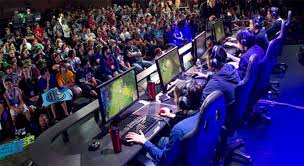
The esports industry is growing at an unprecedented rate. What was once considered a niche and leisurely activity has now evolved into a billion-dollar industry. Esports career opportunities are vast and varied, offering numerous paths for those passionate about competitive gaming. From being a professional player to content creation, coaching, and event management, the possibilities are endless.
Firstly, it's important to understand the scope of career choices. The most glamorous role is, without doubt, that of a professional player. However, the industry is complex and requires a range of skills and roles.
Aside from players, the industry also needs coaches, analysts, streamers, commentators (also known as casters), and even managers to oversee teams. For individuals with a knack for strategy and a profound understanding of the game, coaching and analysis provide perfect opportunities to contribute. Conversely, for those comfortable in front of a camera and possess good oratory skills, streaming and casting are ideal roles. Let's dive deeper into the nuances of these career paths.
Rising as a Professional Esports Player: Steps to Achieve the Dream
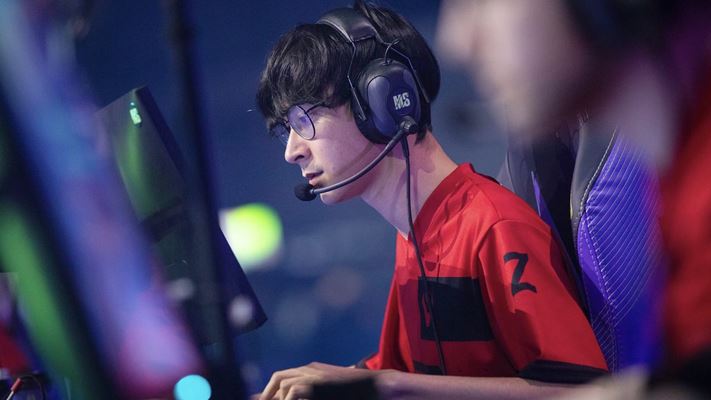
Becoming a professional esports player is a dream many gamers aspire to. The journey to this career path requires exceptional skill, strategic thinking, and, most significantly, unyielding dedication. Here’s a look at the essential steps required to rise as a professional esports player.
Honing Your Skills
In the realm of esports, skill is paramount. Continuous practice and self-improvement are essential. Aspiring professionals should spend countless hours playing their game of choice, studying top players, and understanding game mechanics intricately. Joining clubs or online communities can assist in finding practice partners and getting feedback.
Finding the Right Game
Picking a game that aligns with your skills and interests is crucial. Various genres – be it first-person shooters, strategy games, or multiplayer online battle arenas – dominate the esports landscape. Researching the popularity and competitive support for a game can help in making an informed decision.
Competing in Local/Online Tournaments
Participating in grassroots or emerging online tournaments is vital for gaining exposure and experience. Many professional journeys begin at local competitions. These tournaments provide a platform to showcase skills and move up the competitive ladder.
Building a Strong Online Presence
In today’s digital age, having a strong online presence is imperative. Engaging on social platforms, streaming your gameplay on Twitch or YouTube, and building a follower base can attract the attention of talent scouts and esports organizations.
Navigating a Competitive Gaming Career: Challenges and Triumphs
A competitive gaming career is motivational but comes with its set of challenges. Navigating this career path requires resilience, adaptability, and a strategic approach. Here are the critical aspects to consider on this exciting journey.
Mental and Physical Health
Unlike traditional sports, esports places significant strain on mental acuity and physical health, particularly due to long hours of gameplay and mental stress. Players must prioritize their health by incorporating regular exercise, maintaining a balanced diet, and possibly engaging in mental health practices such as meditation or therapy.
Managing Time Effectively
Balancing practice, competition, and personal life is challenging yet essential for long-term success. Effective time management ensures that players do not experience burnout and can sustain their careers long-term.
Adapting to Meta and Game Updates
Games frequently go through updates and changes, affecting strategies and playstyles. Staying current with these updates and continuously adapting to the evolving meta is crucial. Following game forums, keeping in touch with the community, and watching professional matches can provide insights into new strategies and techniques.
Dealing with Public Perception
Professional gamers often find themselves in the public eye. Dealing with criticism, managing fan expectations, and maintaining a positive image are necessary. Players should develop thick skin and handle social media interactions professionally and graciously.
Beyond Playing: Exploring Other Esports Career Opportunities
While playing professionally is a significant aspect of esports, other career opportunities within the industry are equally rewarding. Here’s a glimpse at various roles that contribute to the esports ecosystem:
Coaching and Analysis
Just like traditional sports, esports teams require coaches and analysts. These experts are responsible for developing strategies, analyzing opponents, and preparing players for matches. A deep understanding of the game and excellent analytical skills are prerequisites for these roles.
Content Creation and Streaming
Content creators and streamers play a vital role in promoting games and engaging the community. Whether through video content, live streaming, or written guides, these professionals must be articulate and engaging to build a loyal audience and monetize their content.
Event Management and Production
Behind every major esports event are teams of managers and production staff who ensure everything runs smoothly. Event management entails organizing tournaments, coordinating with sponsors, and ensuring a seamless experience for players and audiences.
Commentating and Broadcasting
Casters or commentators are the voices of esports. They bring games to life, narrate the action, and engage audiences with their knowledge and excitement. Excellent communication skills and a thorough understanding of the game are essential for success in this field.
Marketing and Sponsorship
Marketing professionals and sponsorship managers are responsible for promoting teams and events. They work on securing sponsorships, developing marketing strategies, and ensuring brand visibility. Networking and strategic planning are key competencies for these roles.
The Future of Esports: What Lies Ahead for Aspiring Professionals
The future of esports is bright and brimming with potential. With increasing investments, advanced technology, and growing audiences, the industry is set to expand further. Aspiring professionals stand to benefit immensely if they remain dedicated and adaptable.
The integration of virtual reality (VR) and augmented reality (AR) could revolutionize the way esports are played and experienced. Additionally, the expansion into mobile esports offers new opportunities for players in regions with limited access to high-end gaming setups.
Education and training programs specifically tailored to esports are also on the rise. Many universities and institutions now offer courses and degrees focusing on various aspects of esports, from game development to business management. These programs provide aspirants with structured education and better prospects in the industry.
Lastly, diversity and inclusion within esports are becoming a focal point. Initiatives aimed at encouraging underrepresented groups to participate are creating a more inclusive and enriching environment, offering opportunities for everyone passionate about gaming.