

Life is full of unexpected twists, and for some, one of these twists is living with single-sided deafness (SSD), or being deaf in one ear. This condition, often overshadowed by the more commonly recognized bilateral hearing loss, comes with its unique set of challenges and adaptations. In this blog post, we’ll delve into the causes, challenges, coping strategies, and the often overlooked triumphs of living with SSD.
Understanding Single-Sided Deafness
Single-sided deafness means a person has normal hearing in one ear and significant or complete hearing loss in the other. This can happen for various reasons, including congenital factors, infections, head injuries, or certain medical treatments such as surgery or medication for other conditions. Sometimes, the cause is unknown, leaving individuals to adjust without a clear reason for their condition.
Challenges of Being Deaf in One Ear
- Directional Hearing
- One of the most significant challenges faced by those with SSD is the difficulty in determining the direction of sounds. Our brain relies on the input from both ears to triangulate the source of a sound. When one ear is deaf, this ability is significantly impaired, making it harder to locate where sounds are coming from. This can be particularly problematic in environments with lots of background noise, such as busy streets or crowded restaurants.
- Hearing in Noisy Environments
- People with SSD often struggle to filter out background noise. In a setting where many conversations are happening simultaneously, the brain finds it challenging to focus on the sound coming from the “good” ear, making it harder to follow conversations. This can lead to feelings of isolation or frustration in social settings.
- Sound Localization and Spatial Awareness
- In addition to difficulty with directional hearing, individuals with SSD often have impaired spatial awareness. This can make activities that rely on sound localization, like driving, particularly challenging and potentially dangerous.
- Fatigue and Cognitive Load
- Constantly trying to compensate for hearing loss can be exhausting. The increased cognitive load required to focus on understanding conversations and processing sounds can lead to fatigue. This is a common complaint among people with SSD, especially after long periods of social interaction or exposure to noisy environments.
Coping Strategies and Technologies
1. Assistive Devices
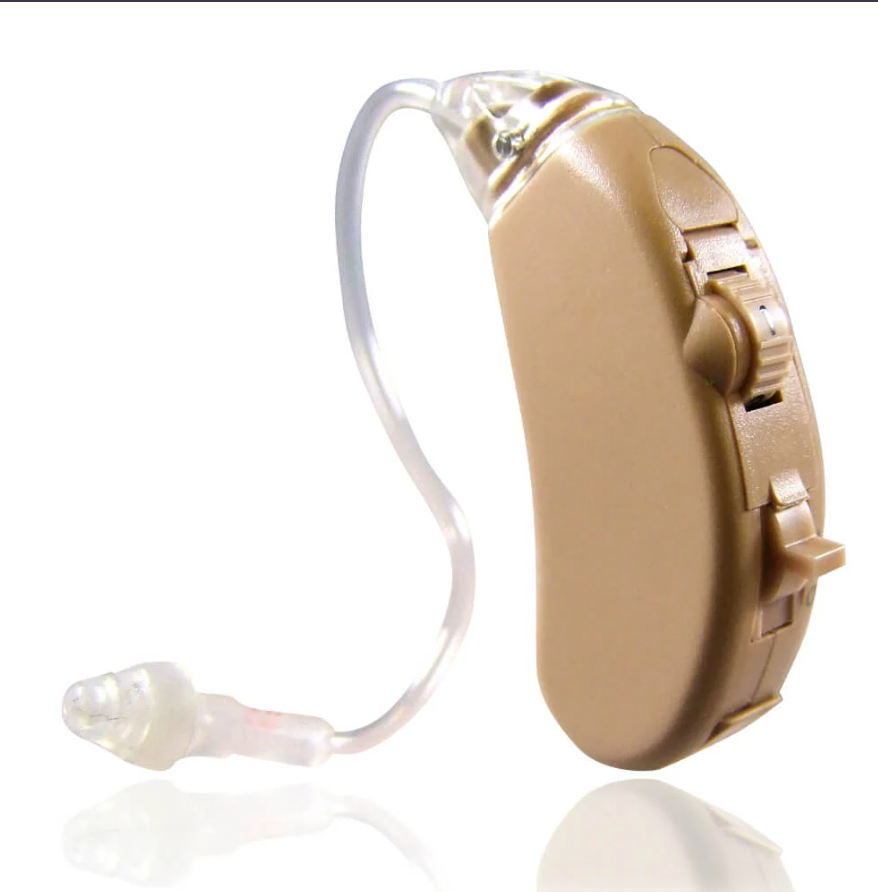
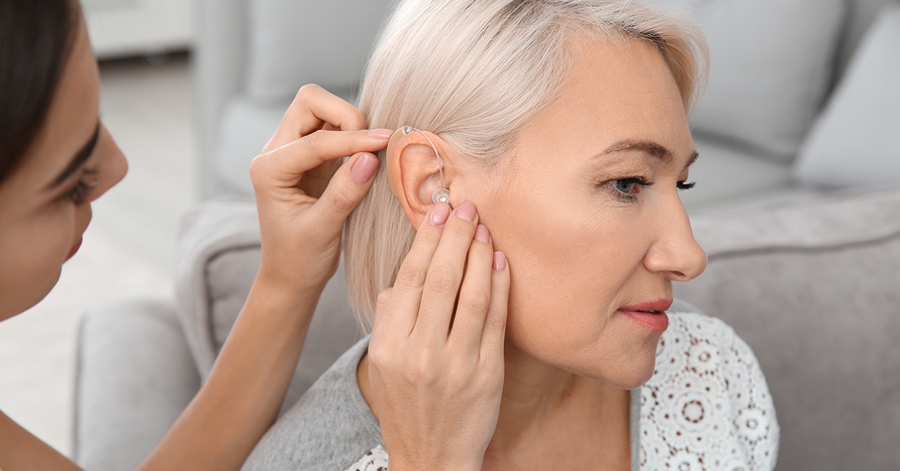
Technological advancements have led to the development of various assistive devices designed to help those with SSD. Bone conduction hearing aids and contralateral routing of signal (CROS) hearing aids can transmit sound from the deaf ear to the functioning ear, improving sound awareness and localization.
2. Personal Sound Amplification Products (PSAPs)
While not a substitute for hearing aids, PSAPs can be useful in certain situations by amplifying sound. They are generally more affordable and accessible than traditional hearing aids, although they do not offer the same level of customization or sophistication.
3. Coping Mechanisms
Many people with SSD develop coping strategies to manage their condition. Positioning oneself strategically in social settings, such as sitting with the deaf ear against a wall or asking people to speak into the better ear, can make a significant difference. Learning to read lips and using visual cues can also help in understanding conversations better.
4. Communication Skills
Improving communication skills can be incredibly beneficial. This includes being open about one’s hearing loss with others and asking for accommodations when necessary. Educating friends, family, and colleagues about the condition can foster a supportive environment and reduce misunderstandings.
Triumphs and Silver Linings
Living with single-sided deafness is not just about challenges; it also brings unique strengths and perspectives.
1. Adaptability
People with SSD often become adept at adapting to their environment. This heightened adaptability can translate into other areas of life, making them more resilient and resourceful in the face of adversity.
2. Heightened Other Senses
While it’s not universally experienced, some individuals with SSD report a heightened sense of sight or smell, as their brain compensates for the loss of auditory input. This phenomenon, known as sensory compensation, can sometimes be a surprising benefit.
3. Enhanced Focus
In some cases, the inability to hear from one side can lead to improved focus on tasks and conversations. Without the distraction of sounds coming from both sides, individuals may find it easier to concentrate on what is directly in front of them.
4. Unique Perspective
Living with SSD provides a unique perspective on the world. It fosters empathy and understanding for others with disabilities and can inspire advocacy and support for those facing similar challenges. Many individuals with SSD become passionate about raising awareness and improving accessibility for the hearing impaired.
Conclusion
Being deaf in one ear presents a distinct set of challenges, from directional hearing difficulties to increased cognitive load and social hurdles. However, with the right coping strategies, assistive technologies, and a supportive environment, individuals with SSD can lead fulfilling and successful lives. The triumphs of adaptability, enhanced focus, and a unique perspective often accompany the condition, highlighting the resilience and strength of those who live with it. By raising awareness and fostering understanding, we can ensure that the voices of those with single-sided deafness are heard, appreciated, and supported. Click Here