


Sensorineural deafness is a type of hearing loss that occurs due to problems in the inner ear or the auditory nerve. This condition can significantly impact a person's ability to hear and process sounds, affecting their communication and quality of life. In this blog post, we will delve into the intricacies of sensorineural deafness, exploring its causes, symptoms, diagnosis, and treatment options.
What is Sensorineural Deafness?
Sensorineural deafness, also known as sensorineural hearing loss (SNHL), results from damage to the hair cells in the inner ear or the auditory nerve. The inner ear contains tiny hair cells that convert sound vibrations into electrical signals sent to the brain. When these hair cells or the auditory nerve are damaged, the transmission of sound signals is disrupted, leading to hearing loss. Sensorineural deafness can range from mild to profound and can affect one or both ears.
Causes of Sensorineural Deafness
The causes of sensorineural deafness are varied and can be congenital or acquired. Congenital causes are present at birth and can result from genetic factors or complications during pregnancy and childbirth. Genetic mutations, maternal infections like rubella, and premature birth are common congenital causes. Acquired sensorineural deafness occurs later in life and can be due to several factors. Exposure to loud noises, aging, certain medications (ototoxic drugs), head trauma, and illnesses such as meningitis can lead to sensorineural hearing loss. Long-term exposure to loud environments, such as industrial noise or loud music, is a prevalent cause in modern society.
Symptoms of Sensorineural Deafness
The symptoms of sensorineural deafness vary depending on the severity of the hearing loss. Common symptoms include difficulty understanding speech, especially in noisy environments, frequently asking others to repeat themselves, and a sensation of muffled hearing. Tinnitus, or ringing in the ears, is also a common symptom. In some cases, individuals may experience dizziness or balance issues. These symptoms can affect daily communication and lead to social isolation if not addressed properly.
Diagnosing Sensorineural Deafness
Diagnosis of sensorineural deafness typically involves a series of hearing tests and examinations by an audiologist or an ear, nose, and throat (ENT) specialist. The process often begins with a detailed medical history and a physical examination of the ears. Audiometric tests, such as pure-tone audiometry, measure the faintest tones a person can hear at various frequencies. Speech audiometry assesses the ability to understand speech at different volume levels. Additional tests, such as otoacoustic emissions (OAE) and auditory brainstem response (ABR), may be conducted to determine the function of the inner ear and auditory nerve. These tests help pinpoint the location and extent of the hearing loss.
Treatment Options for Sensorineural Deafness
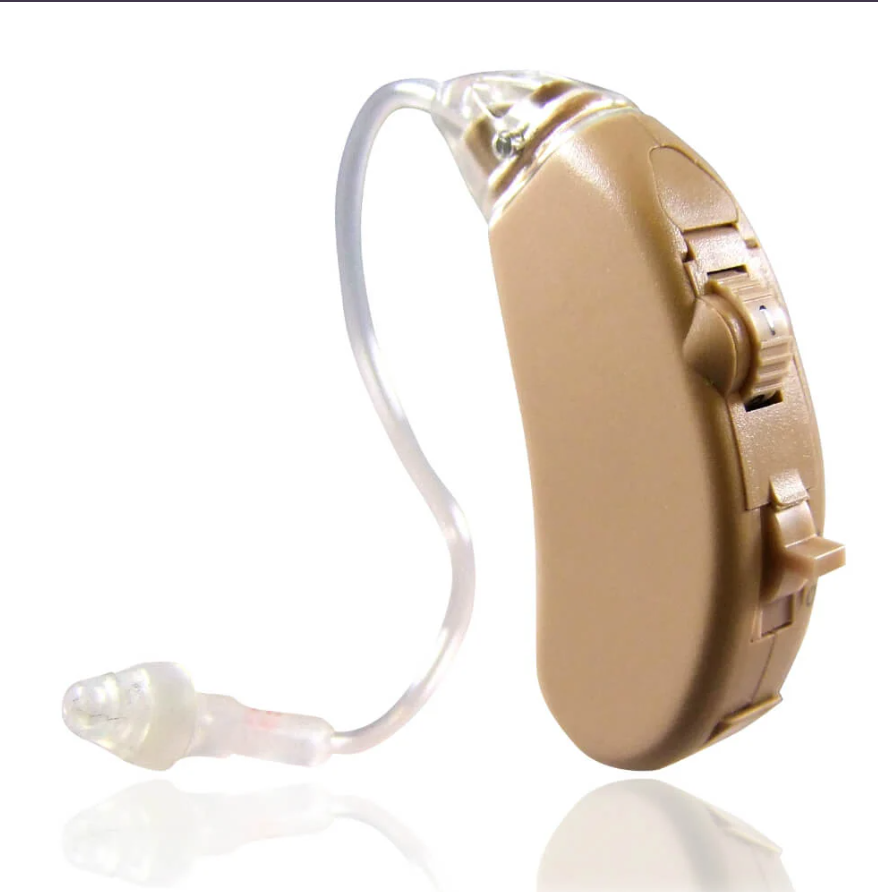
While sensorineural deafness is often permanent, several treatment options can help manage the condition and improve quality of life. Hearing aids are the most common treatment and can significantly enhance hearing ability by amplifying sounds. These devices come in various styles and technologies, tailored to the individual's specific hearing loss and preferences. Cochlear implants are another option for those with severe or profound hearing loss who do not benefit from hearing aids. These devices bypass damaged hair cells and directly stimulate the auditory nerve, providing a sense of sound. Assistive listening devices, such as amplified telephones and alerting systems, can also aid individuals with sensorineural deafness in their daily activities.
Living with Sensorineural Deafness
Living with sensorineural deafness can be challenging, but various strategies can help individuals manage their condition and maintain their quality of life. Effective communication techniques, such as lip-reading, sign language, and the use of visual aids, can enhance understanding and interaction. It's also essential to create a supportive environment, both at home and at work, to ensure clear communication and minimize misunderstandings. Regular follow-ups with healthcare professionals are crucial to monitor hearing and make necessary adjustments to hearing aids or other devices. Joining support groups and seeking counseling can provide emotional support and practical advice for coping with hearing loss.
Conclusion
Sensorineural deafness is a complex condition that affects many people worldwide, but understanding its causes, symptoms, and treatment options can empower individuals to manage their hearing loss effectively. Early diagnosis and intervention are key to minimizing the impact of this condition on daily life. With advancements in technology and supportive strategies, those with sensorineural deafness can lead fulfilling lives and maintain active participation in their communities. By raising awareness and fostering a supportive environment, we can help individuals with sensorineural deafness overcome challenges and thrive. See Also