


Algo trading, a cornerstone of modern finance, allows you to automate trading strategies using predefined rules. Within these strategies, global exit parameters play a crucial role in determining when to exit a position. Setting these parameters effectively can be the difference between consistent profits and unexpected losses.
At uTrade Algos, the importance of well-defined exit strategies in algo trading in India are understood. However, while setting global exit parameters, there may be certain mistakes that may happen and indirectly impact their effectiveness. Today’s blog helps you understand the top 7 mistakes that every algo trader needs to avoid while setting global exit parameters.
Global Exit Parameters: In-depth analysis
Imagine having pre-set rules built into your algo trading strategy that automatically decide when to exit a trade. These "global exit parameters" consider factors like price changes, technical indicators you trust, your risk tolerance, and even the overall market climate. By using them, your algo can make exit decisions on its own, ensuring consistency and discipline across all market conditions.
To help you navigate this critical aspect, we've compiled the top 7 mistakes to avoid when setting global exit parameters on your algorithmic trading platform:
1. Ignoring Risk Management
Excitement about a new strategy can overshadow risk management. Don't get caught up in potential gains and forget about protecting your capital. Global exit parameters should include a clearly defined stop-loss order, which automatically exits the trade if the price goes against you beyond a certain threshold. This helps limit downside risk and prevents catastrophic losses.
2. One-Size-Fits-All Approach
Markets are dynamic, and what works for one asset class might not work for another. The same applies to exit parameters.Applying a single set of parameters across all your trades can lead to missed opportunities or unnecessary exits. Instead,tailor your exit strategies to the specific characteristics of each asset you trade. Consider factors like volatility, liquidity,and expected holding period when defining exit points.
3. Overlooking Transaction Costs
Algo trading involves frequent entries and exits. Transaction costs, including brokerage fees and bid-ask spreads, can eat into your profits if not factored in. When setting exit parameters, account for these costs. Consider using trailing stop-loss orders, which automatically adjust the stop-loss price as the price moves favorably, helping you lock in profits while minimizing the impact of transaction fees.
4. Neglecting Market Conditions
Market conditions can significantly impact your exit strategy. A highly volatile market might require tighter stop-loss parameters to manage risk, while a trending market might allow for wider stops to capture larger profits. Develop exit strategies that adapt to different market conditions. Your algo trading platform should allow for dynamic adjustments based on predefined market indicators.
5. Forgetting Backtesting
Backtesting is the process of simulating your trading strategy with historical data. This is crucial for evaluating the effectiveness of your exit parameters. Backtest your strategy with various exit settings under different market conditions.This helps you identify the optimal parameters that balance risk and reward for your specific strategy.
6. Chasing the Market
Trying to time the absolute market top or bottom is a recipe for disaster. Instead of constantly adjusting exit parameters based on short-term price fluctuations, focus on a disciplined approach based on your strategy's core principles. This helps avoid emotional decision-making and ensures your exits are aligned with your overall goals.
7. Lack of Review and Refinement
Markets are constantly evolving, and so should your trading strategies. Periodically review your exit parameters to see if they are still effective. Analyze past trades and backtest your strategy with new data to identify areas for improvement.Don't be afraid to refine your exit parameters based on your ongoing evaluation.
By avoiding these common pitfalls, you can set yourself up for success in the dynamic world of algo trading in India. Remember, uTrade Algos provides a robust algorithmic trading platform with advanced features to help you define, test,and implement effective exit strategies. Leverage our platform's capabilities and combine them with sound risk management principles to navigate the markets with confidence.
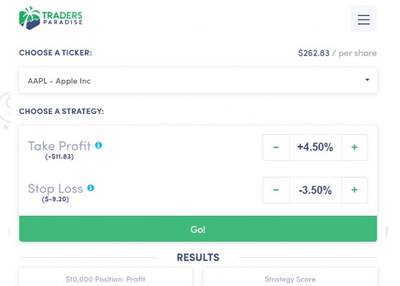
As a newbie, you are probably spending hours in front of your screen looking for the best opportunities to invest or day trade in the market.
You may have also gone through your dose of trading strategies to study the charts and the graphs concerning individual trades.
Once you feel the setup is in the right place as far as stock is concerned, you put in your money in the hope of earning high returns.
The reason is simple and in one sentence – the absence of an exit strategy.
Most investors including wannabe traders fail to earn profits in the market as they are unable to figure out the perfect EXIT STRATEGY, let alone a ‘perfect strategy’, they don’t even have a good enough exit strategy.
When you decide on order with your brokerage firm, it is just half the job done.
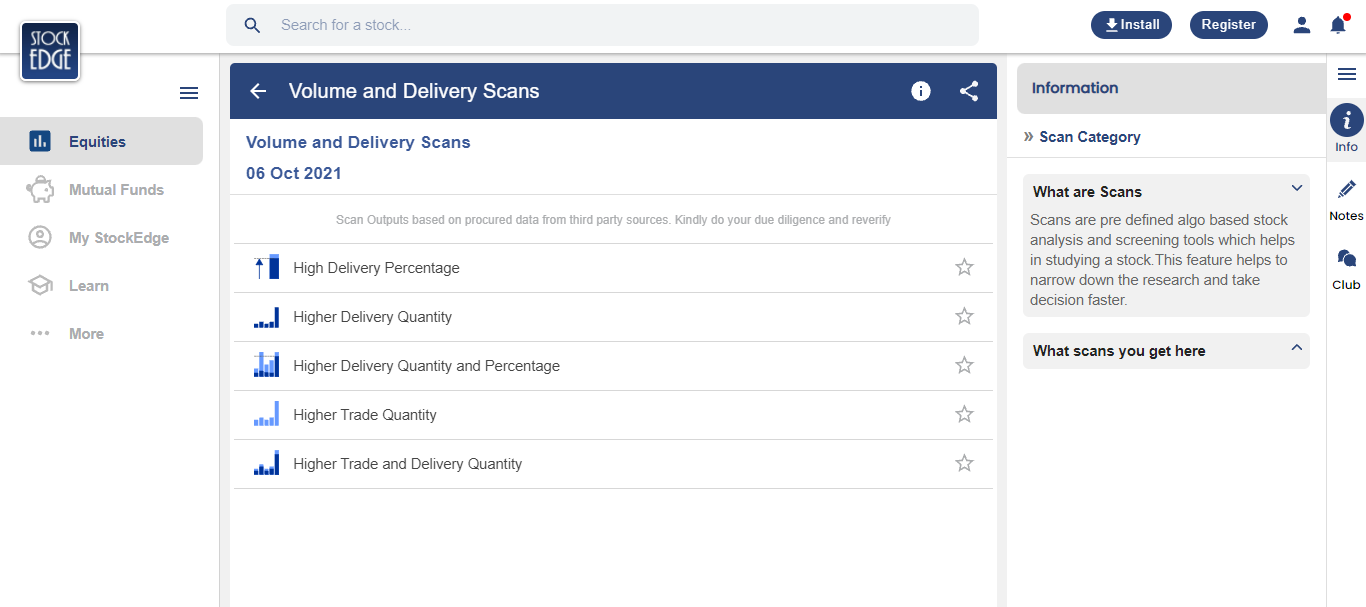
Use the cutting-edge Stockedge app to gain a competitive advantage over others in both short-term trading and investing.
Here, not only do you get stock market data at one particular place but can also create your own combination scans based on technical and fundamental parameters.Scans are pre-programmed Algo-based stock analysis and screening tools that aid in the research of a stock.
This tool allows you to focus your research and make decisions more quickly.
Avail all the stock market updates and stock market information right at your fingertips.Volume & Delivery Scans is one of the stock screeners which monitors the Highly Trade & Delivered Stocks.
To avail the scans click here: https://bit.ly/3DiOy9UFor further support and related queries contact on +91 9830994463